
 By Ishmael Junourgh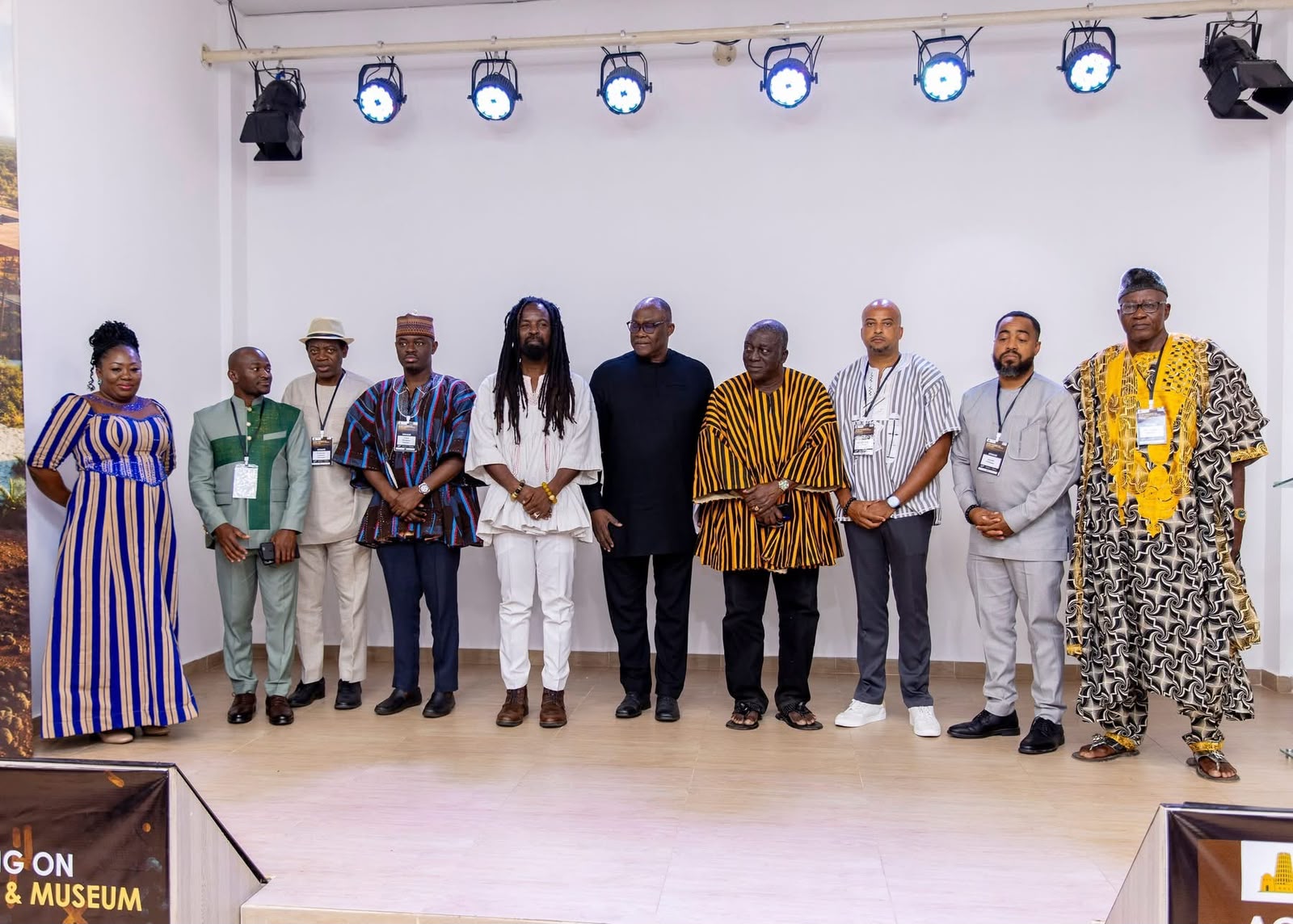
Participants on the discussion panel at the launch of the proposed Dɛyaanga Slave Museum in Accra, where speakers examined the importance of preserving Northern Ghana’s history and confronting the legacies of slavery
Founder envisions landmark institution for slavery, resistance, research, healing and reconciliation
A proposed museum in Navrongo in Ghana’s Upper East Region is seeking to reshape how the country understands the inland history of slave raiding, resistance, memory and colonialism, while creating a permanent centre for research, education, healing, reconciliation and reconnection with the African diaspora.
The Dɛyaanga Museum of Healing and Reconciliation was founded by historian and Navrongo native Emmanuel John Agangzesum Awine, a PhD candidate in History at Johns Hopkins University.
The project is being conceived as more than a museum of slavery. It is intended to become an institution where the histories, memories and experiences of Northern Ghanaian communities can be preserved, researched and told through their own voices.
For Awine, the project responds to what he considers a major gap in Ghana’s heritage landscape: while the country’s coastal castles and dungeons have become powerful symbols of the history of slavery, many stories from the north remain scattered across communities, family histories, oral traditions, landscapes and surviving structures.
“There were stories that were really important for national conversation, but many people, even including those of us from this community, had no idea about,” he said.
He believes those stories must be rescued from disappearing with successive generations and connected to the wider history of slavery and African agency.
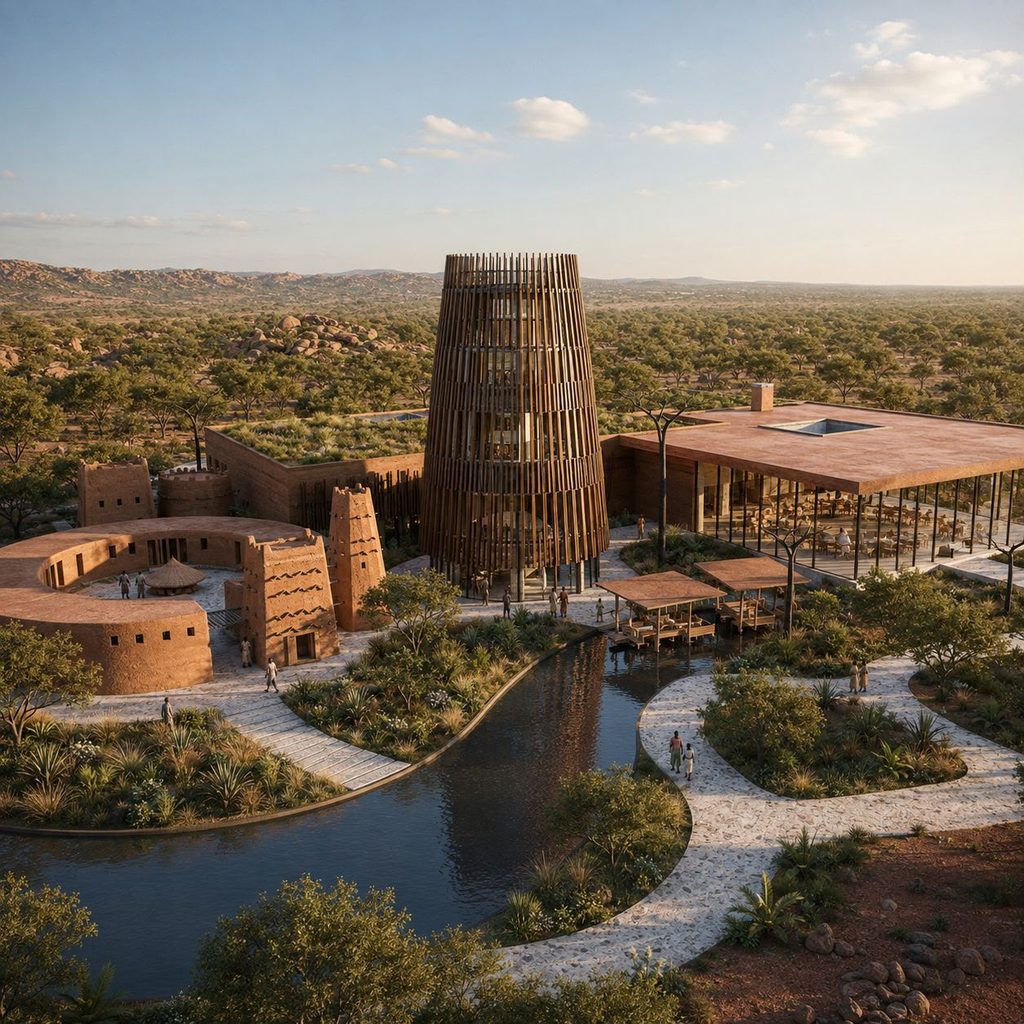
A visual impression of the proposed Dɛyaanga Slave Museum in Navrongo, Upper East Region.
RECLAIMING A NORTHERN STORY
Awine said Northern Ghana has a rich historical landscape that deserves stronger institutional attention.
“We don’t have a dedicated space for people to travel up north to learn our story from our own voices,” he said.
The proposed museum seeks to fill that gap by bringing together historical materials, oral traditions, family memories and scholarly research.
Its story will extend beyond slavery to include slave raiding, colonialism, resistance, resilience, family histories and the continuing social consequences of the past.
For Awine, the objective is not simply to add another museum to Ghana’s heritage map. It is also about correcting incomplete perceptions of Northern Ghana and allowing communities to exercise greater control over their own historical narratives.
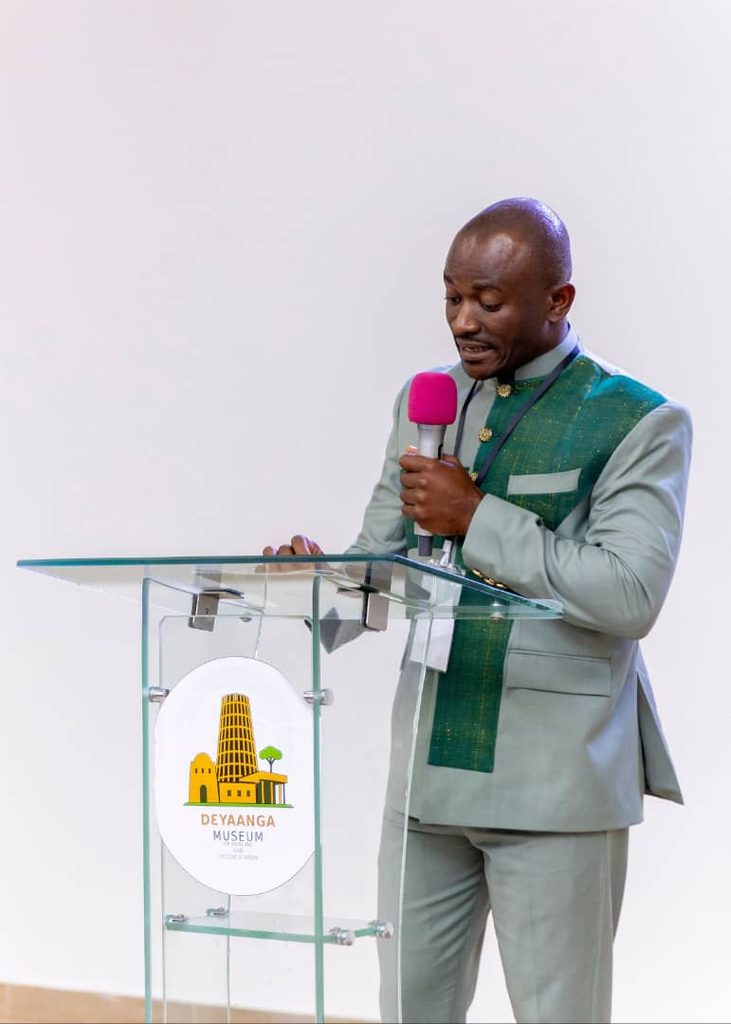
An image of the founder, Emmanuel Awine during the launch of Dɛyaanga Slave Museum
BEYOND THE CASTLES AND DUNGEONS
Much of Ghana’s public understanding of slavery is associated with the coastal castles and dungeons.
Awine, however, says the northern experience must also be brought into the national heritage conversation.
Across Northern Ghana, communities developed ways of protecting themselves from slave raiders, using caves, walls, trees, baobabs and other natural and constructed spaces.
He identified historical locations including Gwollu, Sankana, Nandom, Jirapa, Paga, Kandiga and Mirigu.
He also pointed to accounts of women fighting to protect their children and communities during periods of slave raiding.
The proposed museum will therefore seek to tell not only the story of captivity, but also the story of resistance, protection, survival and resilience.
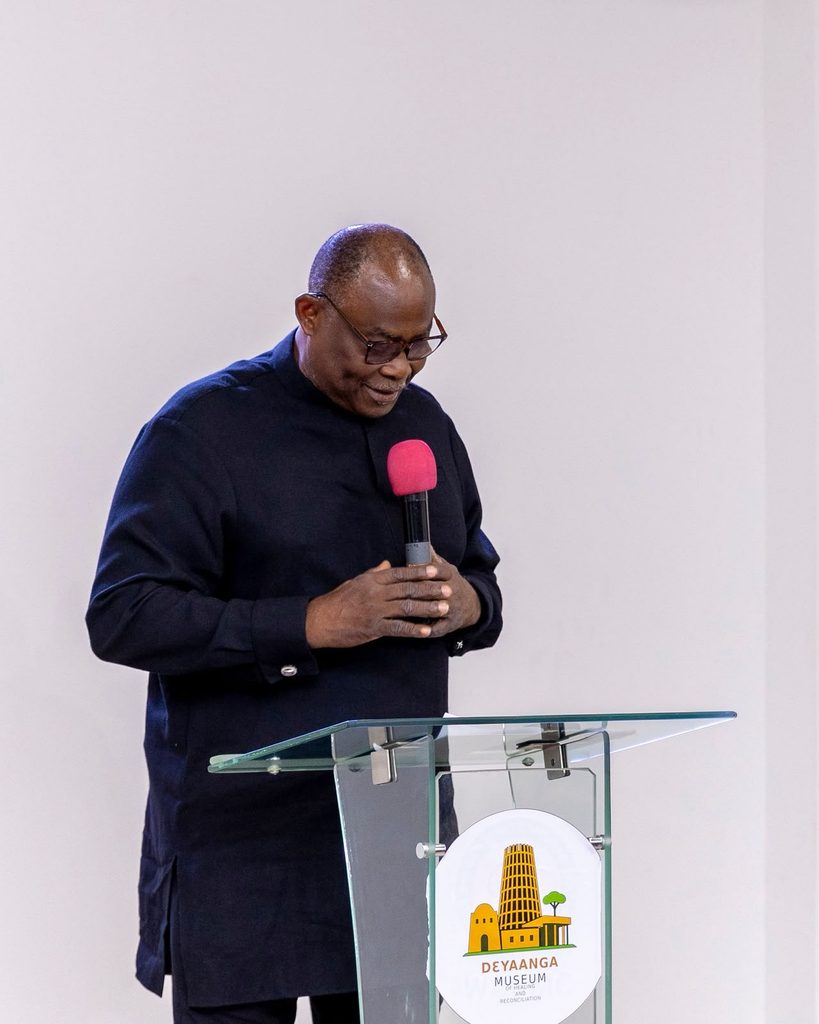
Dr. Ekwow Spio-Garbrah delivers the keynote address at the launch of the proposed Dɛyaanga Slave Museum in Accra, highlighting the importance of preserving Ghana’s history.
WHY DƐYAANGA?
The museum derives its name from the Dɛyaanga, an eight-figure architectural form associated with Nankani communities in the Upper East Region.
According to Awine, the structure served as a refuge, particularly for women and children, during periods of slave raiding.
Its symbolism is central to the proposed museum.
“The Dɛyaanga provided space to protect our mothers and our children against slave trade. That’s why we are using the Dɛyaanga as a protective shield,” he said.
The symbolism is deliberate.
Where the slave dungeon represents captivity, the Dɛyaanga represents protection, survival and African agency.
For Awine, that distinction helps place the experiences and agency of African communities at the centre of the historical narrative.
A GHANA-BURKINA FASO HERITAGE LINK
The museum is also being conceived as a cross-border heritage project.
Awine said communities including the Dagomba, Dagaba, Sissala, Wala, Nankansi, Kassena, Kusaase and Bissa have historical, cultural and familial connections that existed long before colonial boundaries divided Ghana and Burkina Faso.
Navrongo, he said, offers a strategic location from which the museum could connect historical sites and communities stretching towards Burkina Faso, the Upper West Region, the wider Upper East Region and the Northern Region.
The proposed network could include sites such as the Paga Slave Camp, Gwollu Slave Camp and Sankana, alongside other locations whose histories remain insufficiently documented.
Such connections could give the museum a broader regional significance, linking local histories to the wider history of slavery, migration, resistance and cultural exchange across West Africa.
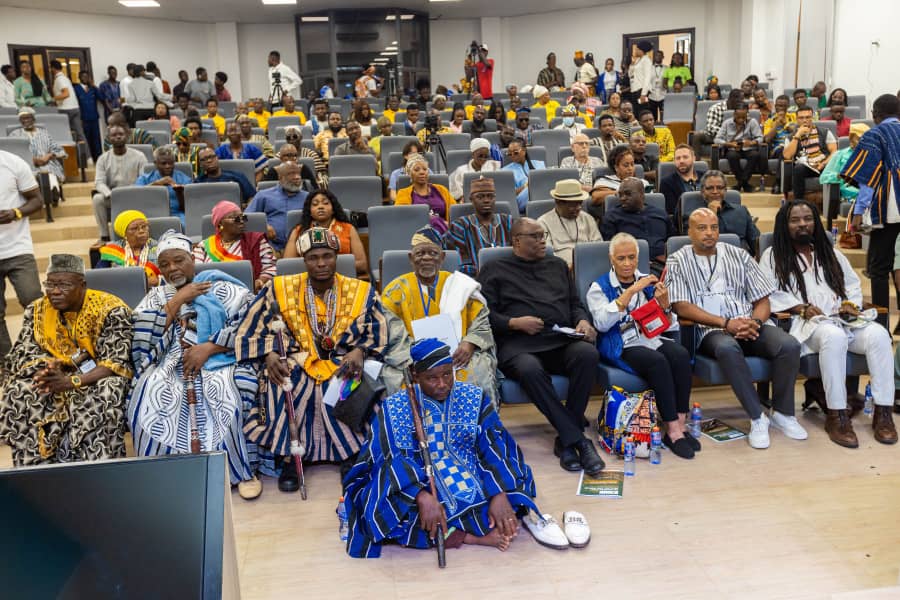
Traditional leaders and elders at the launch of the proposed Dɛyaanga Slave Museum in Accra, reflecting the importance of indigenous authority and community memory in preserving Northern Ghana’s history.
THREE PILLARS
Awine said the proposed museum will have three major components.
The first is an exhibition and display space for relics, historical instruments, family materials and other artefacts connected to the history of northern communities.
The second is a research centre where scholars, students and communities can investigate and document histories that have traditionally been preserved through oral transmission.
The third is a digital component designed to preserve historical narratives and potentially help families trace relatives and reconstruct disrupted histories.
The digital platform could also support families seeking to explore appropriate avenues for redress where historical evidence exists.
FROM MEMORY TO HEALING
The choice of the words “Healing and Reconciliation” in the museum’s name is significant.
Awine believes that the consequences of slave raiding and colonialism did not simply disappear with the end of those historical systems.
According to him, aspects of the past continue to influence relationships between communities, including mistrust, divisions and disputes involving land, authority and identity.
The museum is therefore intended to create space for communities to confront difficult histories and use historical understanding as part of a broader process of reconciliation.
Its purpose, he suggests, is not merely to remember what happened, but to ask what present and future generations can learn from it.
“OUR ANCESTORS HAD AGENCY”
One of the project’s strongest themes is African agency.
Awine wants the museum to avoid presenting African communities only as helpless victims of slavery and external forces.
“Our ancestors had agency,” he said.
That agency, he explained, included resistance, survival, negotiation and, in some cases, participation in systems from which certain individuals and groups benefited.
He believes a credible historical account must accommodate those complexities.
The museum will therefore seek to tell stories of courage and resistance alongside stories of collaboration, survival and difficult choices made under extraordinary historical circumstances.
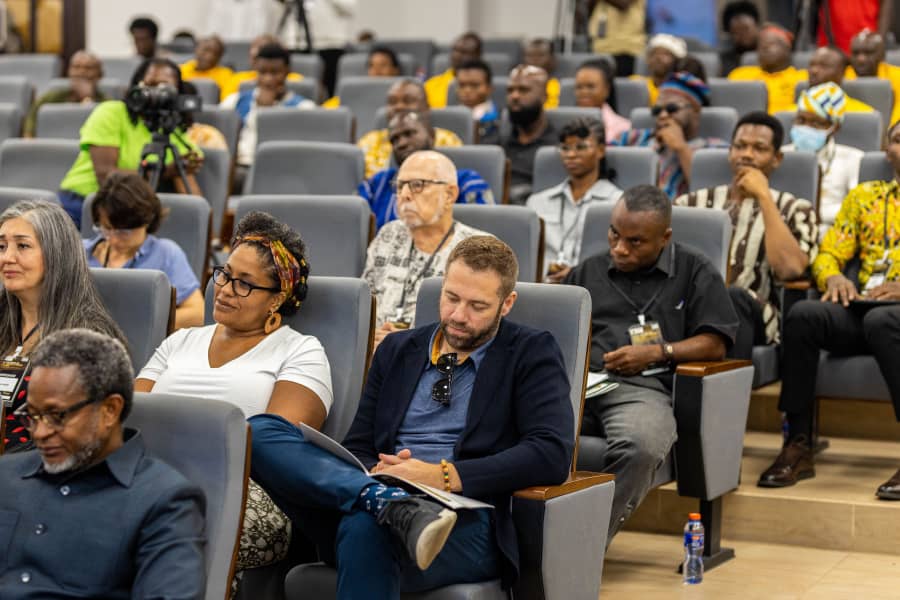
Participants at the launch of the proposed Dɛyaanga Slave Museum in Accra.
THE BIG TEST: TURNING A VISION INTO AN INSTITUTION
The vision is ambitious.
But turning it into a functioning and sustainable museum will require more than historical passion.
It will require resources for curation, conservation, digitisation, research, staffing, security, maintenance and long-term programming.
It will also require the confidence and participation of the communities whose artefacts, memories and family histories may become part of the museum.
For a project dealing with sensitive histories of slavery, violence, displacement and ancestral memory, careful documentation and ethical management of materials will be critical.
The institution will have to balance scholarly standards with community ownership, ensuring that historical materials are properly documented while respecting the cultural significance of objects, stories and ancestral memories.
AWINE CALLS FOR PUBLIC SUPPORT
Awine is calling on the general public in Ghana and internationally to support the project.
He said individuals, families, researchers, philanthropists, institutions and development partners can contribute to building an institution capable of preserving African history for future generations.
Support, he indicated, does not have to be limited to money.
Historical artefacts, family records, photographs, oral histories, research materials, professional expertise and other relevant resources could all contribute to documenting and preserving Northern Ghana’s history.
The appeal extends to the African diaspora and international heritage and research communities.
For Awine, the museum should ultimately become a collective project rather than the responsibility of one person or community.
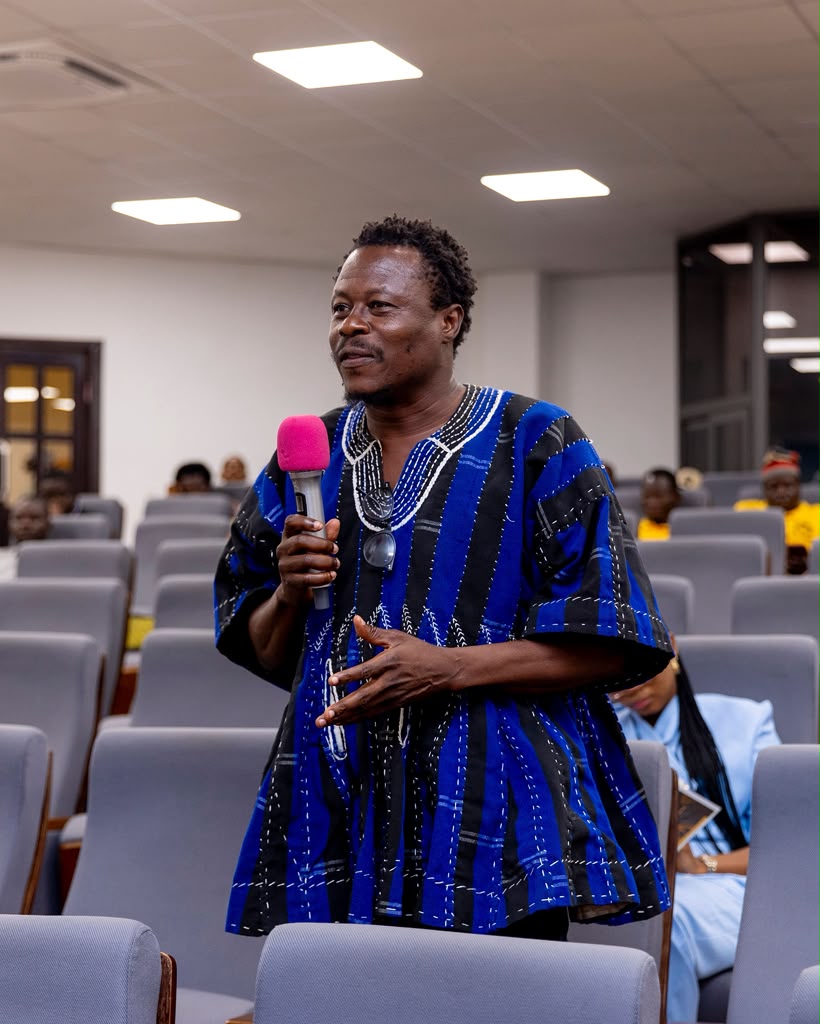
Ishmael Junourgh, author of Ladimeh, making a contribution during the open forum at the launch of the proposed Dɛyaanga Slave Museum in Accra.
A HERITAGE ASSET FOR NORTHERN GHANA
If realised, the Dɛyaanga Museum could add a significant new dimension to Northern Ghana’s heritage landscape.
Its location in Navrongo, combined with its proposed links to historical sites in Ghana and Burkina Faso, could create a focal point for researchers, students and visitors interested in the region’s history.
It could also provide opportunities for cultural tourism and strengthen attention to historical sites that have received limited public documentation.
The proposed connection with the African diaspora could further expand its relevance beyond Ghana, providing a platform for people of African descent seeking to understand the histories, societies and communities from which some of their ancestral histories emerged.
But for Awine, these possibilities are secondary to the museum’s central purpose: preserving history, restoring memory and creating space for communities to confront their past and tell their own stories.
The Dɛyaanga Museum of Healing and Reconciliation is still an ambitious undertaking, but its message is clear: Northern Ghana’s history deserves more than scattered memories and isolated sites.
It deserves institutions, scholarship, preservation and public spaces through which the people of the north can tell their own story. With the necessary resources, expertise, partnerships and community support, the museum could emerge as a significant heritage institution — preserving the past while contributing to education, research, cultural tourism, reconciliation and a deeper understanding of Northern Ghana’s place in Ghana’s national history.
 Charles Prempeh PhD