
 By The Bridge News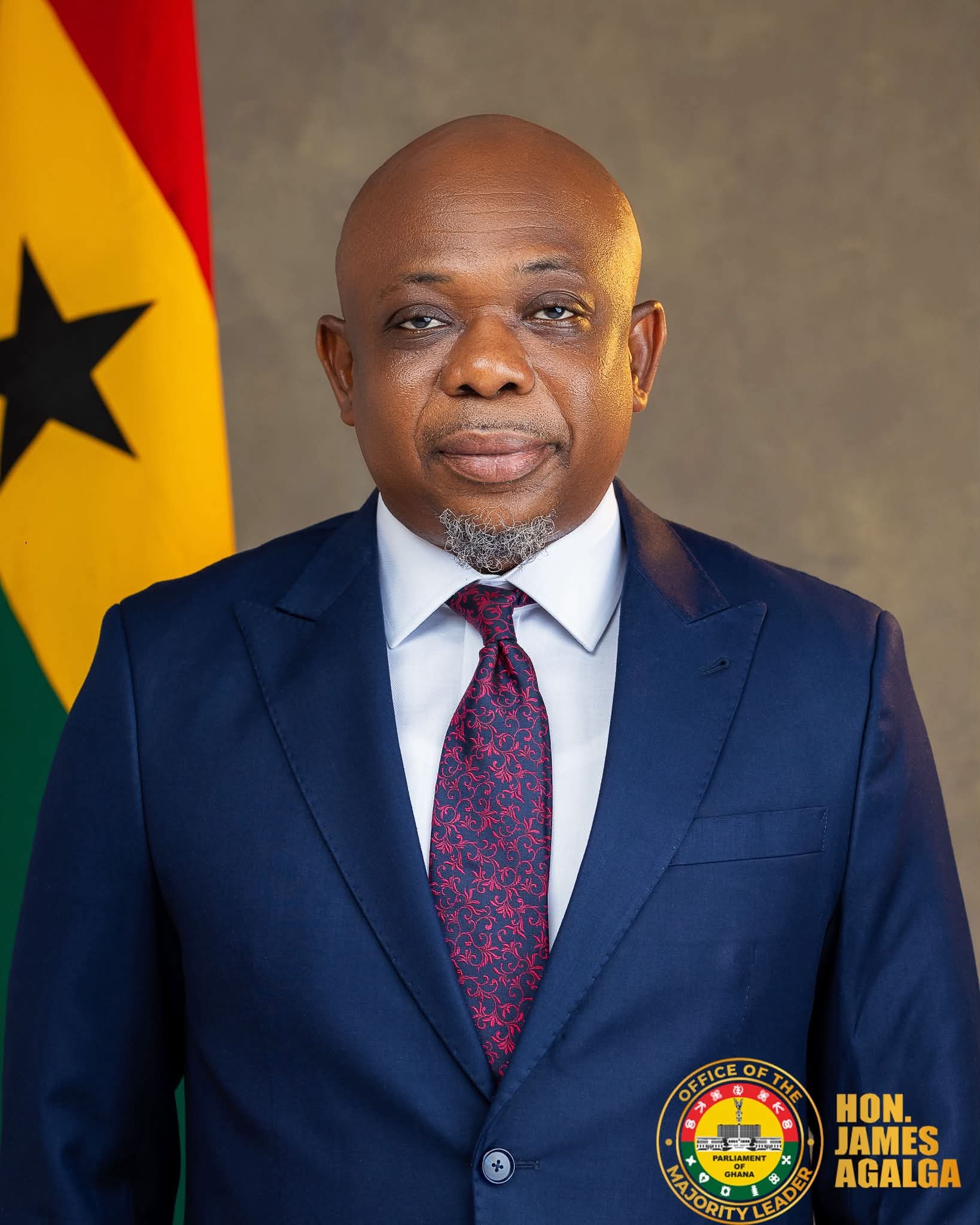
Ghana’s Majority Leader warns of wars, climate crisis, AI abuse and widening inequalities as UN Human Rights Council session closes
The world is facing one of its most dangerous periods for human rights since the Second World War, with more than 60 armed conflicts, deepening political polarisation, climate disruption and the explosive growth of artificial intelligence threatening the rights and freedoms of millions of people.
That was the stark warning emerging from Geneva as the 63rd Session of the United Nations Human Rights Council closed, with Ghana’s Majority Leader and Member of Parliament for Builsa North, Hon. James Agalga, calling for renewed global commitment to protecting human dignity.
Mr. Agalga, who led Ghana’s Parliamentary Delegation to the session, said the Geneva discussions had exposed the widening gap between international human rights commitments and the realities confronting ordinary people.
The crisis, he said, is no longer confined to conventional questions of political freedom and civil liberties.
It increasingly encompasses whether people have jobs, food, clean water, healthcare, education, housing and a safe environment in which to live.
“The rights to work, education, health, housing and a dignified life” must remain at the centre of the global human rights agenda, he stressed.
A WORLD OF 60-PLUS WARS
The warning comes against an increasingly volatile international backdrop.
In his opening address to the Council, UN High Commissioner for Human Rights Volker Türk described a world experiencing an “age of extremes”, characterised by war, polarisation, climate chaos and rapid technological change.
Mr. Agalga highlighted the High Commissioner’s observation that there are now more than 60 wars involving at least one state, representing the highest level of armed conflict since the Second World War.
For Ghana, which has traditionally projected itself as a champion of multilateralism, peace and democratic governance, the development carries particular significance.
Mr. Agalga said the Geneva deliberations reinforced the need for countries to defend the international human rights architecture at a time when conflict, nationalism and political division are testing its foundations.
BEYOND POLITICAL RIGHTS
One of the strongest messages from the session was that human rights cannot be divided into separate categories.
Political freedom means little, Mr. Agalga argued, when citizens cannot secure employment, educate their children, access healthcare or obtain sufficient food and clean water.
The emphasis on economic, social and cultural rights therefore carries profound implications for Africa, where millions continue to face poverty, unemployment, inequality and inadequate access to essential public services.
And for communities such as Builsa North, the Geneva debate has a distinctly local meaning.
The global language of human rights ultimately comes down to whether farmers can sustain their livelihoods, whether children can obtain quality education, whether families can access healthcare and whether young people can find meaningful economic opportunities.
CLIMATE CHANGE: THE NEXT HUMAN RIGHTS FRONTIER
Climate change also emerged as a defining human rights concern.
Its consequences are no longer simply questions of environmental policy. Rising climate pressures are affecting food production, livelihoods, migration, displacement and the ability of vulnerable communities to survive with dignity.
Mr. Agalga said climate change must therefore be recognised as a human rights crisis.
The issue is particularly important for northern Ghana, where rural communities remain heavily dependent on agriculture and increasingly vulnerable to environmental and climatic pressures.
The Geneva discussions consequently placed climate vulnerability within the wider debate about the rights of present and future generations.
AI AND THE BATTLE FOR TRUTH
But another frontier is opening: the digital battlefield.
The rapid expansion of artificial intelligence, social media and digital information systems is creating new opportunities while simultaneously generating unprecedented risks.
Mr. Agalga said stronger safeguards are required against AI abuse, disinformation and the manipulation of public opinion.
The growing influence of social-media echo chambers and populist politics, he warned, can also narrow civic space and deepen political divisions.
For democracies such as Ghana, the challenge is becoming increasingly urgent: how to preserve freedom of expression while preventing technology from becoming a tool for manipulation, misinformation and democratic destabilisation.
PARLIAMENTS NOW ON THE FRONT LINE
For Ghana’s Majority Leader, however, the most important question is what happens after Geneva.
About 35 resolutions were negotiated during the session, covering country situations and thematic human rights concerns.
But international resolutions alone cannot change the lives of citizens.
National parliaments must translate global commitments into domestic legislation, effective institutions and government accountability.
That, Mr. Agalga said, places legislators on the front line of human rights protection.
The Parliament of Ghana therefore has a critical role to play in ensuring that international obligations accepted by the country are reflected in national laws and policies.
GHANA’S TEST
Mr. Agalga said Ghana’s participation in Geneva also reaffirmed the country’s standing as a democratic state with a long record of commitment to human rights and constitutional governance.
But that reputation, he suggested, must continually be matched by action at home.
The real measure of Ghana’s human rights credentials will ultimately not be the statements delivered at international conferences, but the conditions under which ordinary citizens live.
For the Majority Leader, the Geneva session has strengthened his resolve to work through Parliament to improve Ghana’s legislative framework and ensure that the rights guaranteed to citizens are meaningful in practice.
He expressed appreciation to the Parliament of Ghana and the Ministry of Foreign Affairs for supporting the country’s participation in the Council’s deliberations.
As delegates leave Geneva, the global human rights system returns to a world markedly different from the one that existed when many of its foundational institutions were established.
Wars are multiplying. Climate pressures are intensifying. Technology is transforming society faster than governments can regulate it. Political polarisation is eroding public trust.
The message from Geneva is therefore both simple and unsettling: Human rights are under pressure; and the next battle will be fought not only in international halls, but in national parliaments, communities and the everyday lives of citizens.
 Ishmael Junourgh