
 By Ishmael Junourgh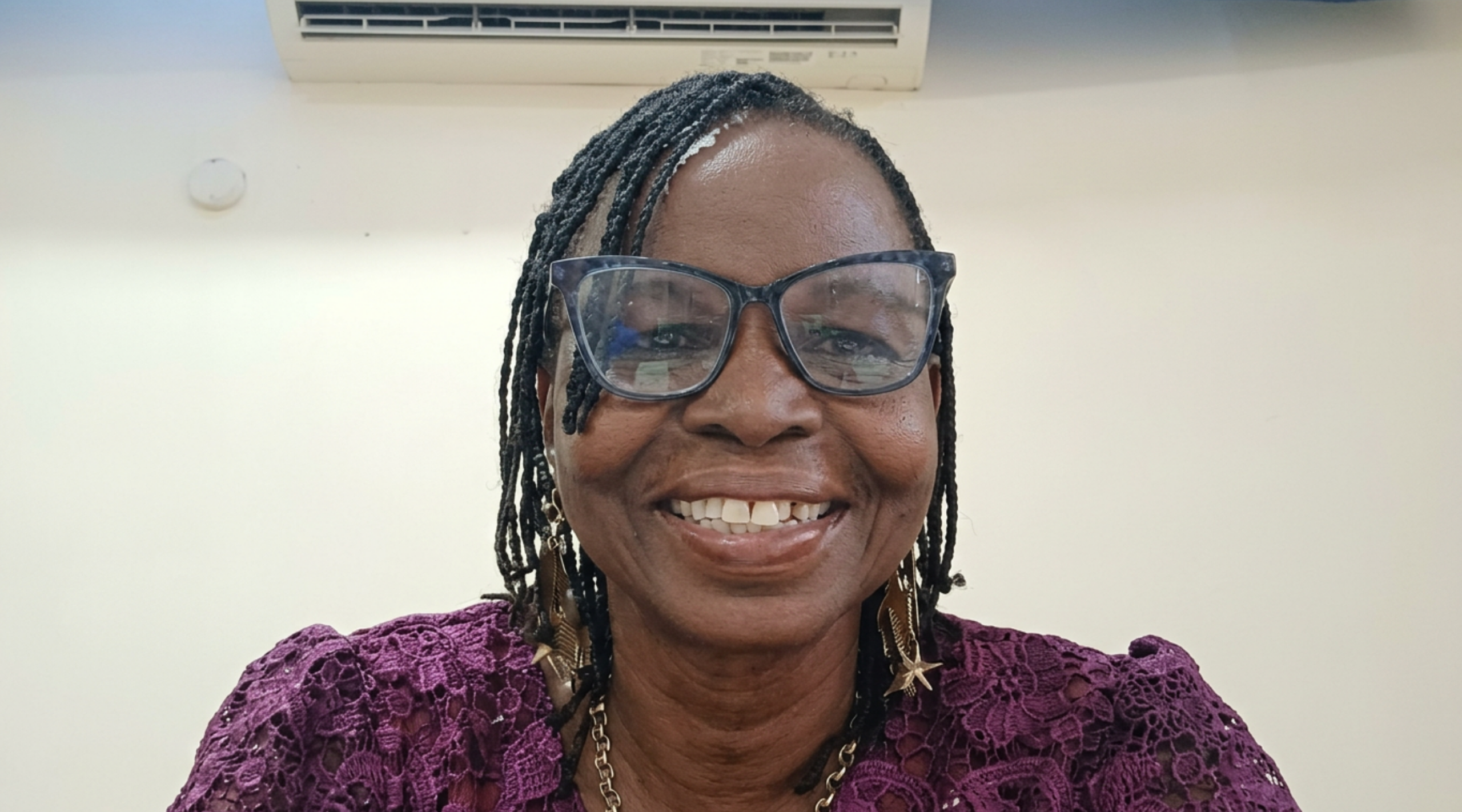
At 16, Madam Felicia became a mother. Financial hardship had already forced her out of senior high school, and life appeared to be taking her in a direction far removed from the academic ambitions she once held.
Today, she is a lecturer at the Tumu College of Education in the Upper West Region.
Her journey from poverty and interrupted education to the lecture hall is a powerful testimony to resilience, determination and the transformative power of education.
Born and raised in Tumu, Madam Felicia grew up in a family of 11 children. Her father, a driver, died around 1974 at the age of 45, leaving the family with significant challenges.
Her mother subsequently had to work hard to provide for the children.
Felicia recalls growing up in circumstances where the family sometimes struggled to meet even basic needs.
“At the time, my mother was struggling in Tumu. We were eating wild weeds boiled with roasted corn flour and shea butter just to survive,” she recalled.
Yet, despite the hardship, Felicia was recognised from an early age for her academic ability.
After completing JSS, her teachers supported her financially because of her academic potential.
That support became one of the first important steps in a journey that would eventually take her into the teaching profession and higher education.
WHEN POVERTY INTERRUPTED HER EDUCATION
After JSS, Felicia secured admission to St. Francis and later KANSEC. Unfortunately, financial difficulties prevented her from continuing.
“I got admission to St. Francis and later KANSEC, but I had to leave after four weeks because I couldn’t pay the fees,” she recalled.
Her inability to continue her education could easily have marked the end of her academic journey.
Instead, an officer advised her to consider pupil teaching.
She took the opportunity.
At the age of 16, Felicia became a mother.
Rather than allowing early motherhood to end her aspirations, she continued searching for opportunities to develop herself.
“When my boy was eight months old, I applied for pupil teaching and got picked,” she said.
That decision became a turning point.
TURNING MOTHERHOOD INTO MOTIVATION
Felicia eventually married the father of her first child, and together they had four children.
She describes him as supportive.
While raising her children, she continued pursuing her education.
She enrolled in a two-year Modular Course in JAHAN, passed the entrance examinations and subsequently gained admission to Tumu Training College.
In 1988, she graduated as a Certificated ‘A’ four-year teacher.
Her achievement demonstrated an important lesson: life circumstances may change the route to a person’s destination, but they do not necessarily have to determine the destination.
THE POWER OF ENCOURAGEMENT
One of the most influential people in Felicia’s educational journey was her senior brother, who himself had experienced financial difficulties in accessing formal education.
Although he did not attend secondary school, he pursued self-study and achieved six As at A-Level.
He encouraged his younger sister to continue her education.
“Feli, go and write O-Level,” he told her.
She followed his advice.
While nursing her children, she studied, passed her examinations and was elevated to the rank of a Post-Secondary teacher.
Her experience demonstrates the importance of encouragement and mentorship in the lives of young people.
A simple word of encouragement from a teacher, parent, sibling or mentor can sometimes change the direction of a person’s life.
UNIVERSITY: ANOTHER TEST OF DETERMINATION
Felicia’s educational journey did not stop with teacher training.
In 1998, she sat for the entrance examination for the University of Cape Coast.
Although many candidates had attempted the examination several times without success, Felicia passed on her first attempt.
“When your destiny is set, nobody can stop it,” she said.
Following her interview, a member of the panel encouraged her to find the resources necessary to pursue the programme because of her strong performance.
But getting to university was another battle.
Her husband was not working at the time, although he later secured employment with the Volta River Authority.
Financial assistance eventually came from her senior sister in the United Kingdom.
Her sister sent money to their mother, who gave Felicia half of it.
“That was how I paid for my transportation and fees to attend university,” she recalled.
LEARNING WITHOUT PRIVILEGE
University life was not easy.
Felicia had limited resources for learning materials and sometimes had to rely on dictionaries to compile her own notes.
Yet she remained focused.
“Despite all the hardships and needing dictionaries to compile my own notes, I went through UCC without a single referral,” she said.
Her experience illustrates that academic success is not always about having the best facilities or the most comfortable circumstances.
Sometimes, determination, discipline and consistency become the most important resources available to a student.
LESSONS FOR TODAY’S YOUTH
Madam Felicia’s story offers several important lessons for young people.
Poverty Should Not Define Your Future
Financial hardship may limit opportunities, but it does not necessarily have to determine one’s destiny.
Felicia’s inability to continue senior high school initially did not prevent her from eventually becoming a university graduate and lecturer.
Do Not Abandon Education When the Journey Becomes Difficult
Her educational journey was interrupted several times, yet she kept finding alternative routes.
For young people facing difficulties today, her story demonstrates the importance of looking for opportunities rather than giving up.
Early Setbacks Do Not Mean the End
Felicia became a mother at 16, but motherhood did not end her ambitions.
Instead, she continued working, studying and developing herself.
Her story encourages young people not to allow mistakes, disappointments or unexpected circumstances to permanently define them.
Mentorship Matters
The encouragement she received from her teachers and her senior brother played an important role in her educational development.
Young people should therefore seek mentors, while parents, teachers and professionals should recognise the power they have to encourage the next generation.
Discipline and Self-Study Can Make a Difference
Felicia’s educational journey required significant personal sacrifice.
She studied while raising children and later pursued university education despite limited learning resources.
Her experience demonstrates that self-discipline remains an important ingredient in academic success.
Use Your Challenges as Motivation
Perhaps the most important lesson from her story is that adversity does not have to become an excuse for surrender.
Felicia experienced poverty, early motherhood and interrupted education, but each challenge became another stage in her journey.
A MESSAGE TO THE NEXT GENERATION
Today, as an educator, Madam Felicia’s story extends beyond her personal achievements.
It is a message to young people who may be struggling with school fees, family responsibilities, limited resources or uncertainty about their future.
Her life demonstrates that success is not always a straight road.
Sometimes, the journey involves stopping, starting again, taking a different route and relying on the support of others.
What matters is the willingness to keep moving.
From a financially challenged childhood in Jirapa to the classroom at the Tumu College of Education, Madam Felicia has travelled a remarkable distance.
Her story is ultimately not about where she started, but about what she refused to allow her circumstances to prevent her from becoming.
For Ghana’s young people, that may be the most important lesson of all: Your circumstances can influence your journey, but they do not have to determine your destination.