
 By Ishmael Junourgh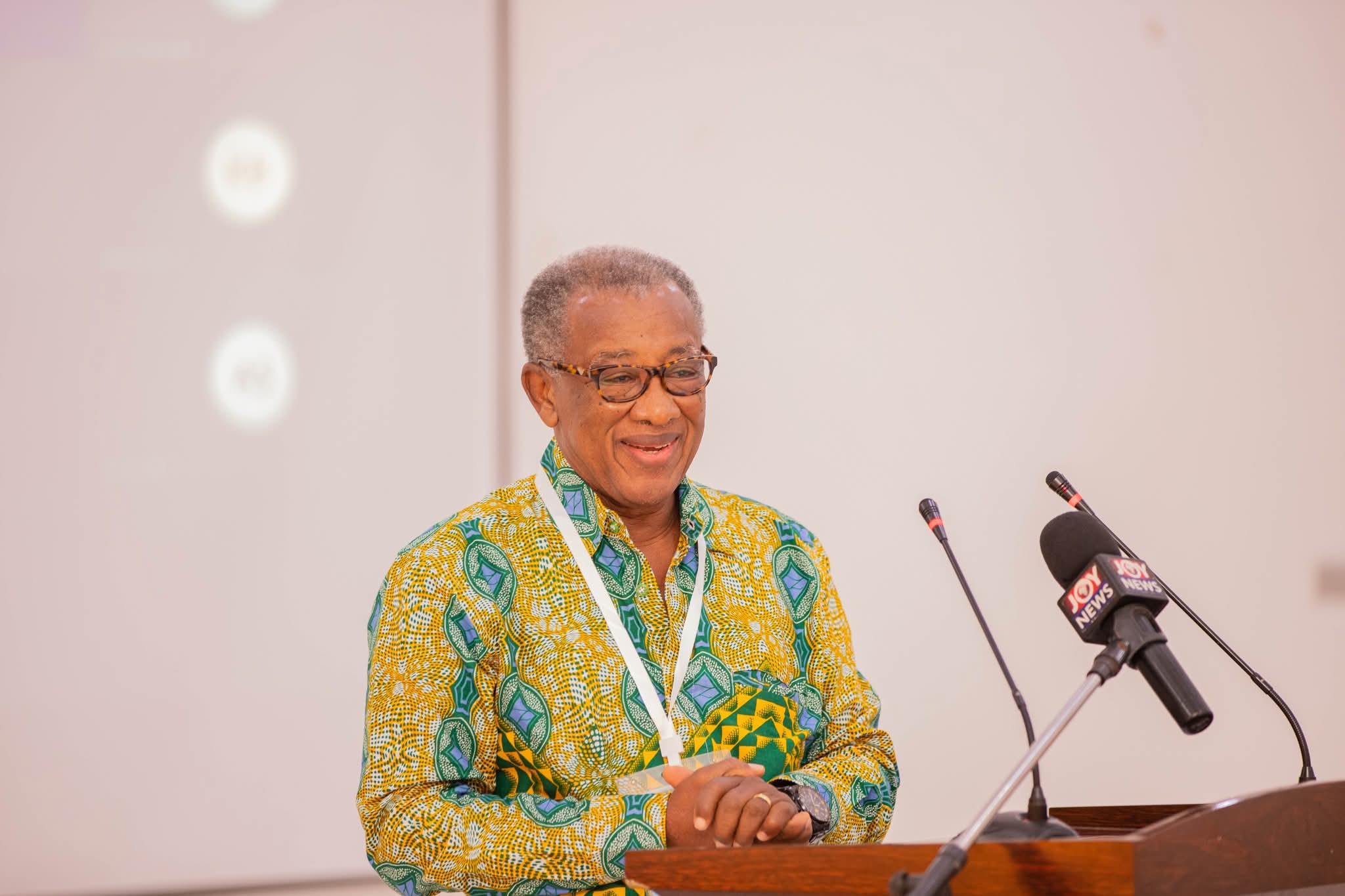
For three days, Jirapa became a meeting point for scholars from different parts of the world as they gathered to ask a question with deep roots in African communities: what can indigenous values teach a rapidly changing world?
The conversation unfolded at the Royal Cosy Hills Hotel, popularly known as Jirapa Dubai, from September 7 to 9, 2026, where the University of Business and Integrated Development Studies (UBIDS), through its Centre for Gender, Diversity and Social Inclusion, hosted the Second Institute of Global Value Inquiry (IGVI) Conference.
The conference, organised in partnership with the Institute of Global Value Inquiry (IGVI) and led by the Centre’s Director, Professor Constance Akurugu, brought together academics and scholars to examine indigenous values, gender, social change and the future of African societies.
Held under the theme, “Indigenous Values and Social Change,” the conference also explored the sub-theme, “African Feminism(s) and Indigenous Values in a Precarious Global Women’s Movement.”
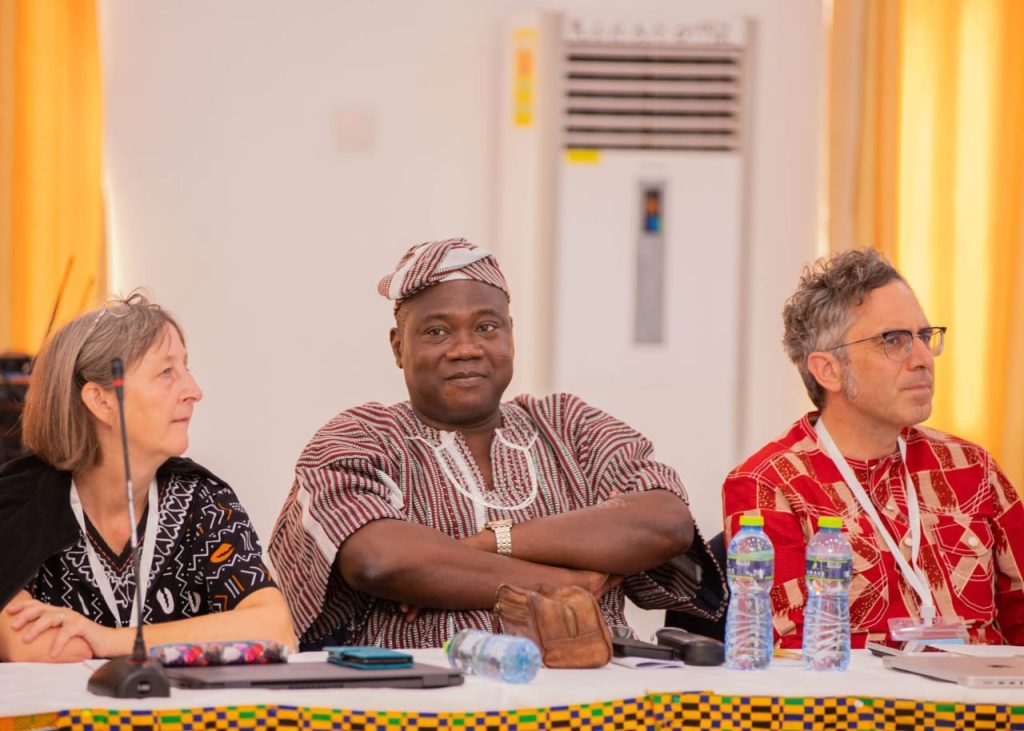
For a region whose communities have long relied on indigenous institutions, knowledge systems and cultural practices to organise social life and respond to challenges, the choice of Jirapa as the venue gave the discussions a particularly local setting.
Opening the conference, the Vice-Chancellor of UBIDS, Professor Emmanuel Kanchebe Derbile, welcomed participants and challenged them to recognise indigenous knowledge systems as dynamic bodies of knowledge rather than relics of the past.
He also called for deeper cultural understanding of gender issues as societies navigate changing social, economic and global realities.
The keynote speaker, Professor David Millar, Founder of Millar Open University, took participants into the Dagara understanding of life in his presentation, “Ancestorcentrism, Totems, and Social Change: The Dagara Paradigms of Life.”
At the heart of his presentation was Saakonu, or Sankofa—the principle of looking to the past to draw knowledge and lessons for building a better future.
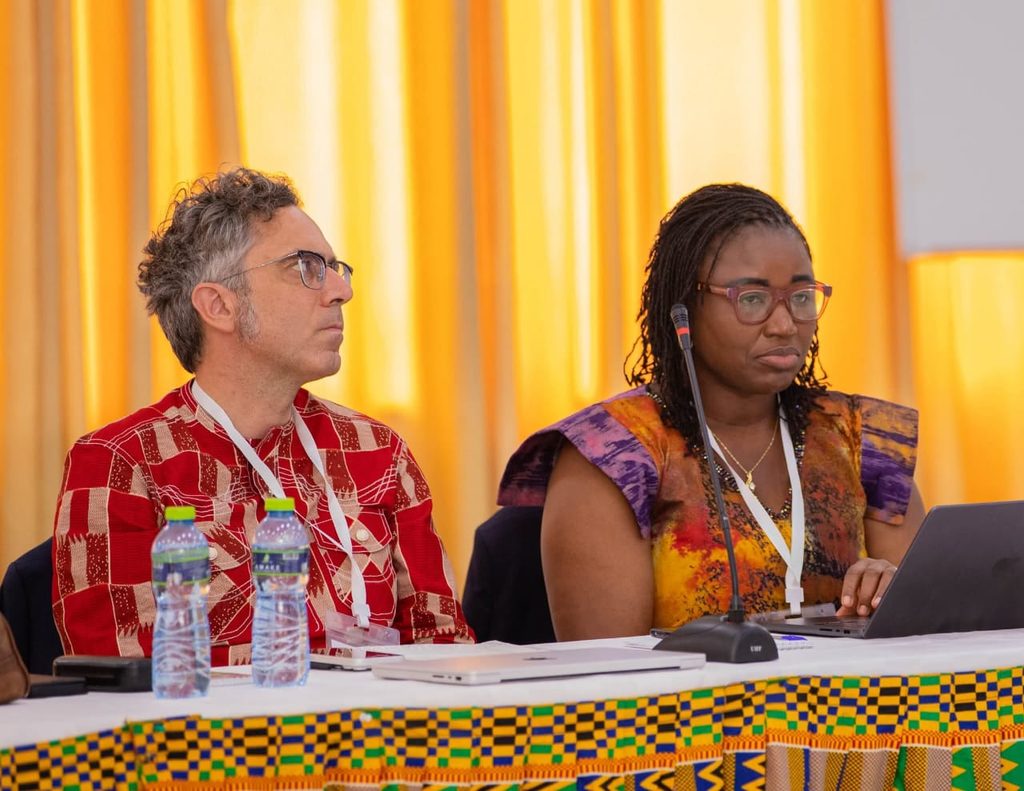
The idea resonated with the broader purpose of the conference: to ask whether societies seeking solutions to contemporary problems have overlooked knowledge and values that have long existed within their own communities.
The conference also featured contributions from internationally recognised scholars, including Professor Oyèrónkẹ́ Oyěwùmí of Stony Brook University in the United States and Professor Sylvia Bawa of York University in Canada.
Their participation, alongside scholars from Ghana and elsewhere, turned the Jirapa gathering into a wider conversation about how indigenous perspectives can inform debates on gender, social transformation and inclusive development.
Beyond the academic presentations, the conference placed African experiences at the centre of global scholarly conversations at a time when questions about identity, gender, cultural change and social inclusion continue to shape societies around the world.
For UBIDS, the event represents another step in strengthening the university’s role as a centre for scholarship and dialogue on issues emerging from African communities and their indigenous knowledge systems.
But for Jirapa and the wider Upper West Region, the significance goes beyond the conference hall.
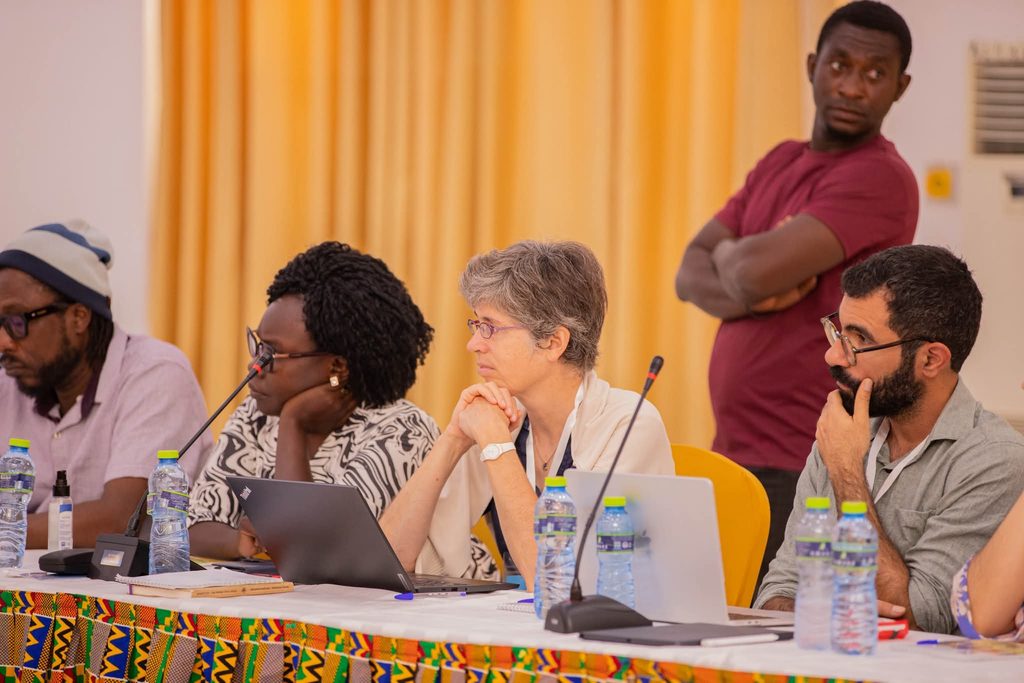
It is a reminder that the region’s communities, histories, values and knowledge systems can serve not only as subjects of academic inquiry, but also as important sources of ideas for understanding and addressing contemporary global challenges. As scholars departed Jirapa after three days of discussions, one message from the gathering remained clear: in the search for social change, the future may require not only looking ahead, but also listening more carefully to the wisdom carried from the past.
Source: UBIDS
 Charles Prempeh PhD