
 By Ishmael Junourgh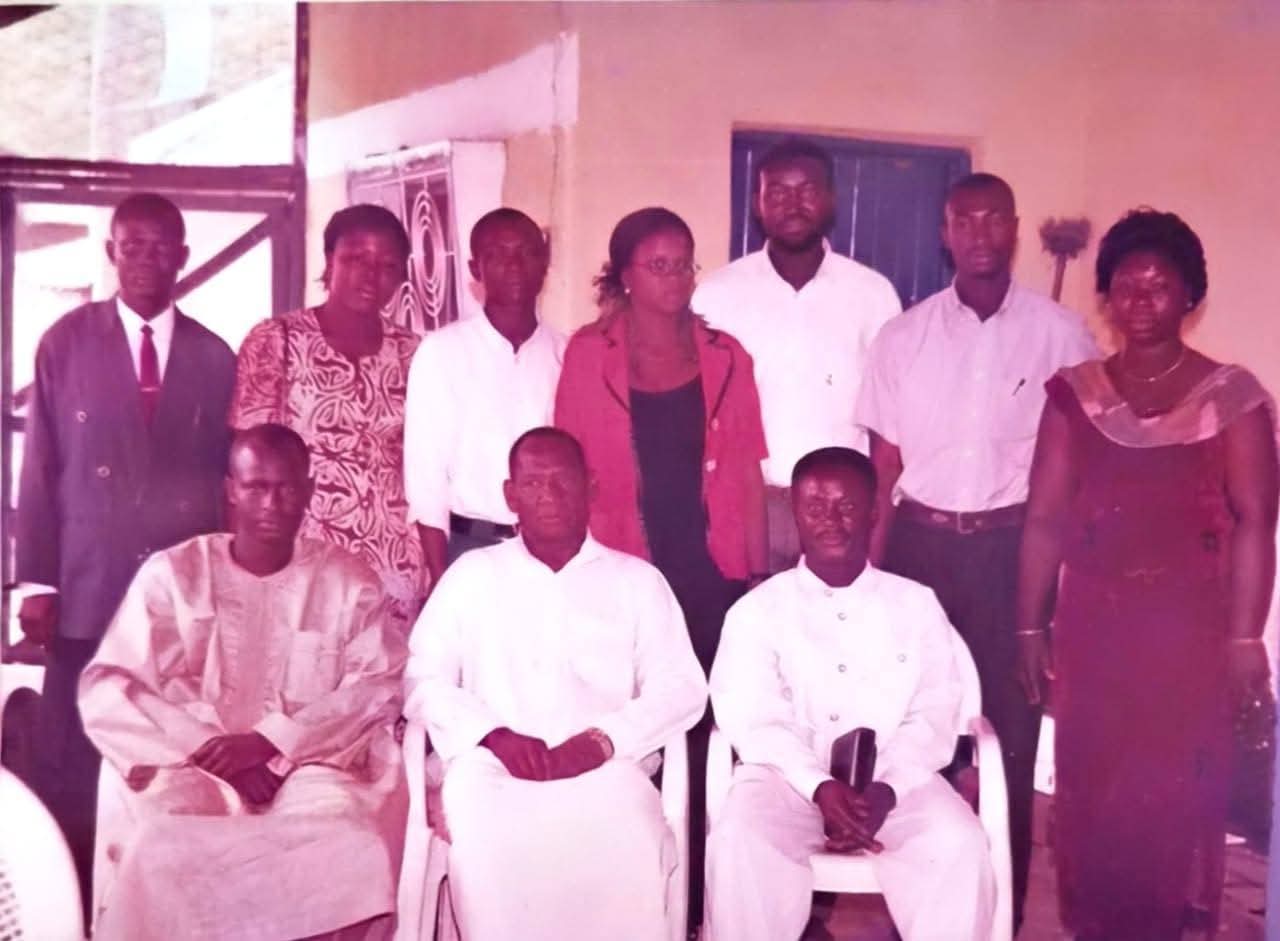
In 1996, Dr. Bin Salih Hafiz recalls walking alongside his uncle, Alhaji Abdulai Issahaque, affectionately known as Alhaji Saaka Jie, to meet J.A. Kufuor at the Upland Hotel in Wa. For Hafiz, the encounter became a defining moment in his political formation, giving him an early and close view of the political leadership and personalities associated with the emerging New Patriotic Party (NPP) in the Upper West Region.
Hafiz remembers Saaka Jie as one of the figures who played a foundational role in establishing the NPP in the region. Looking back, he sees that period as an important stage in his own political education, one that would eventually lead him into active student politics and leadership within the party’s youth structures.
Five years after that encounter, Hafiz recalls becoming the Foundation President of the Tertiary Students Confederacy Network (TESCON) at Tamale Technical University. In that capacity, he led TESCON and other students on a courtesy call to senior NPP figures in Tamale, an experience he now views as part of a continuing political journey that had begun through the influence of his family.
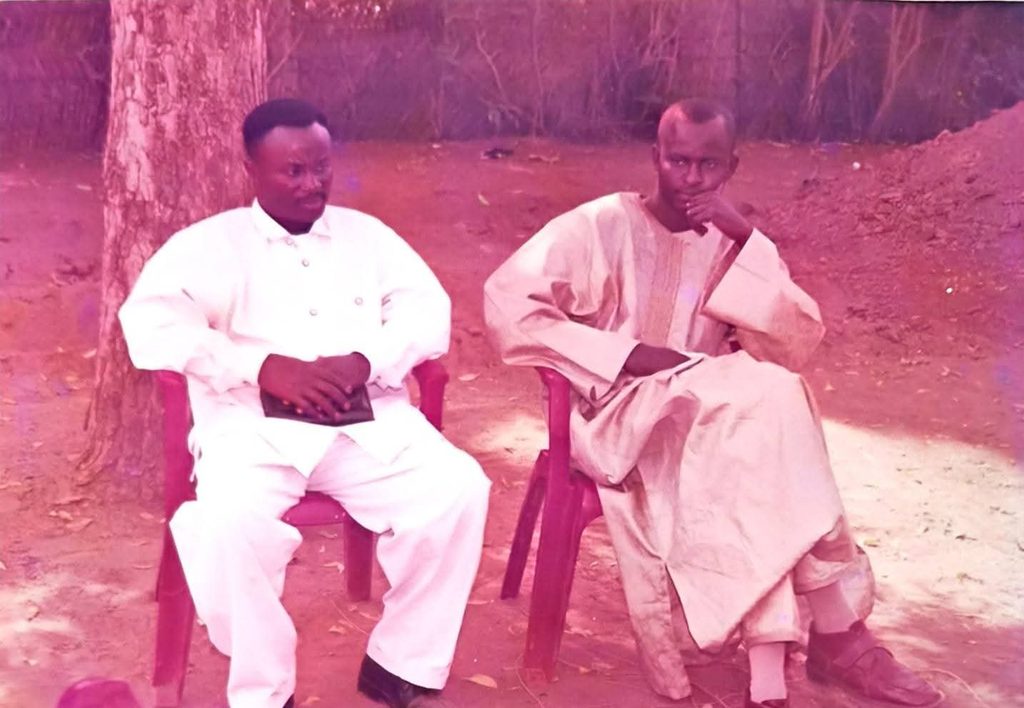
His recollections centre particularly on two of his late uncles, Alhaji Abdulai Issahaque and Alhaji Sahanun Mogtar, whom he remembers as members of an earlier generation of political actors who helped establish and organise the NPP in the Upper West Region.
Remembering Alhaji Saaka Jie
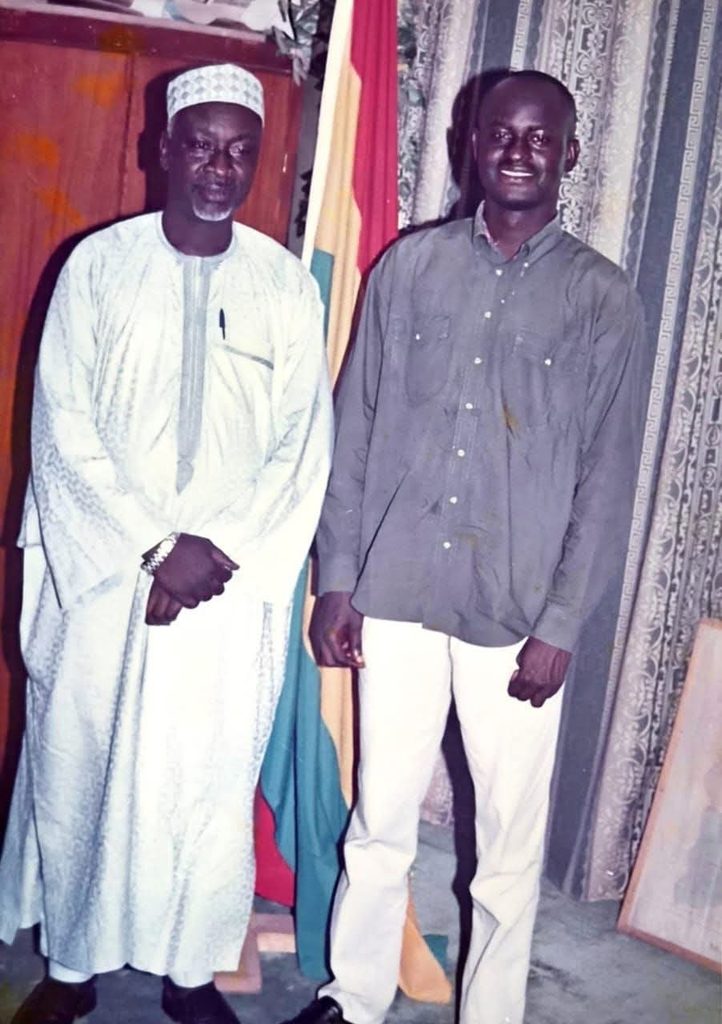
Hafiz remembers his late uncle, Alhaji Abdulai Issahaque, popularly known as Alhaji Saaka Jie, as a foundational figure in the establishment of the NPP in the Upper West Region and as the party’s first regional chairman during its formative years of the Fourth Republic.
For Hafiz, however, Saaka Jie was not simply a political figure. He was a close family member whose conduct and political convictions, he recalls, influenced his own understanding of leadership and public life.
Hafiz traces his uncle’s political lineage to the political traditions of the erstwhile North-Western area of the Northern Territories. In his recollection, that tradition was associated with figures including Chief Dombo, Alhaji B.K. Adama, Jatoe Kaleo, Chief Abayifaa Karbo, Chief Mumuni Dimbie, Chief Seidu, the Wa Naa Seidu, Chief Momori, the Wa Naa Momori, and Alhaji Alhassan Bin Salih.
According to Hafiz, his uncle’s political interest was influenced by his elder brother, Alhaji Alhassan Bin Salih. Hafiz also recalls a wider circle of early political actors, including Lawyer Bawa Dyaka, Alhaji Sadugu Seidu, Alhaji Sumani Bundana, Alhaji Umar Karbo of Lawra, Mr Aworo of Funsi, Mr Gbeke of Nandom, Mr Abass Dawud of Tumu, Mr Hamidu Bomson and Alhaji Faruk Yahaya, among others.
Hafiz says these figures formed part of the political environment in which the NPP established its presence in the region. His memories of that period are closely tied to his uncle’s example and to the lessons he says he drew from observing him.
The 1996 meeting with J.A. Kufuor remains particularly significant in Hafiz’s recollection. He describes the experience as one that shaped his political orientation and says his uncle’s example taught him values including dignity, honesty, courage and integrity.
Alhaji Sahanun Mogtar: The Secretary Who Stayed
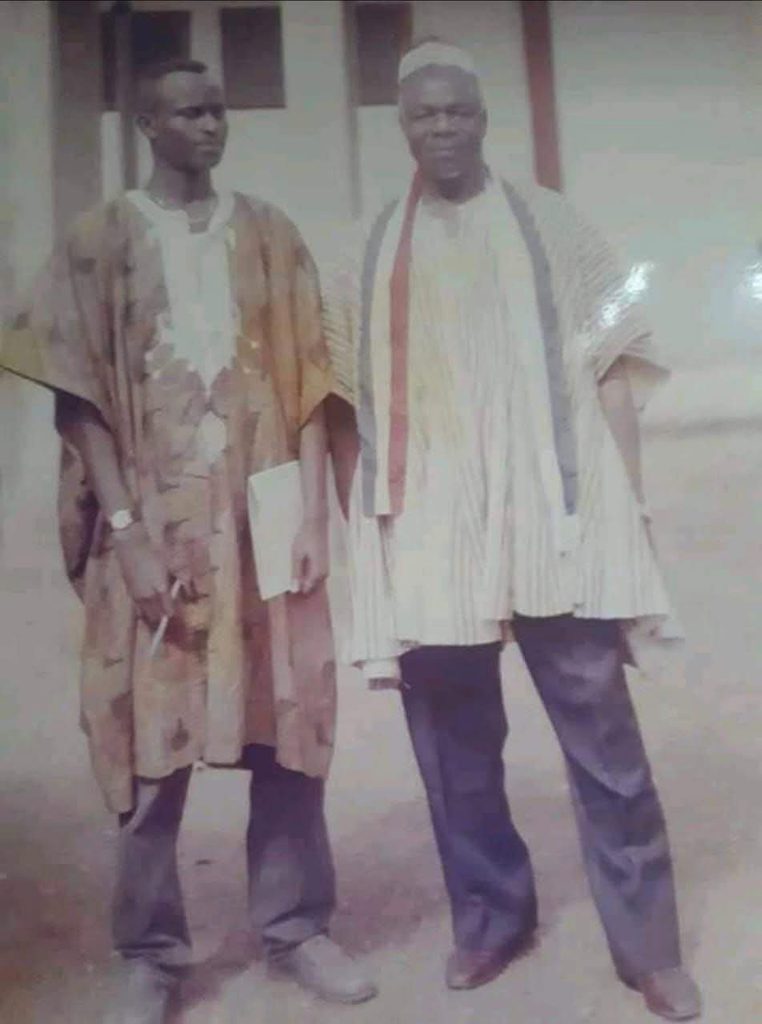
Hafiz also remembers his late uncle, Alhaji Sahanun Mogtar, as an educationist, politician, diplomat, farmer and statesman. According to Hafiz, Sahanun Mogtar taught in basic schools across the Upper West Region before moving to Wa Senior High School, while also maintaining an active interest in farming.
Hafiz recalls that Sahanun Mogtar served as the founding NPP Upper West Regional Secretary from 1992 to 2001. He says that, at the time, many educated people were reluctant to openly associate themselves with the NPP because of the political and professional risks they believed such involvement could carry.
According to Hafiz’s recollection, Alhaji Abdulai Issahaque approached two people about taking up the regional secretary position, but both declined. Sahanun Mogtar, he says, accepted the responsibility without hesitation.
Hafiz remembers his uncle as having remained committed to grassroots political organisation despite what he describes as frequent politically motivated transfers. He says Sahanun Mogtar continued organising and building support for the party, and considers his efforts part of the grassroots work that contributed to the NPP’s victory in the 2000 general elections.
From Grassroots Organiser to Regional Minister
Following the NPP’s victory in the 2000 elections, Hafiz recalls that President John Agyekum Kufuor appointed Sahanun Mogtar as Upper West Regional Minister in 2001, a position he held until 2005.
Hafiz remembers his uncle’s period as Regional Minister as one during which he was involved in regional administration, rural development and peacebuilding. He particularly recalls his role in securing administrative backing in 2002 for the establishment of the Wa campus of the University for Development Studies (UDS).
Hafiz also recalls that Sahanun Mogtar’s public service later extended into diplomacy. He says his uncle served as Ghana’s Ambassador to Burkina Faso in Ouagadougou from 2006 to 2009.
According to Hafiz, in February 2017, President Nana Addo Dankwa Akufo-Addo appointed Sahanun Mogtar to the Council of State. Hafiz says his uncle died on October 21, 2019, at the age of 74, and was buried in Wa.
Reflecting on his uncle’s life, Hafiz remembers him as someone whose career moved across education, farming, politics, regional administration and diplomacy. He continues to pray, he says, that Allah grants him Jannatul Firdaus.
Hafiz Steps Into the Movement
The story Hafiz tells is not limited to the political careers of his uncles. His own experience forms an important part of the recollection, particularly his transition from observing politics through family to participating directly in student political organisation.
Hafiz recalls that in 2001 he was the Foundation President of TESCON at Tamale Technical University. He says he led TESCON and other students on a courtesy call to the late Alhaji Abdul Rahman Salifu, a Commissioner of Police and former Northern Regional Chairman of the NPP, and Hon. Ben Bukari Salifu, who served as Northern Regional Minister from February 14 to November 17, 2001.
According to Hafiz, the delegation was accompanied by their lecturer, Lawyer Yaw Anokye Frimpong. He remembers the visit as an opportunity for the students to interact directly with senior figures of the political tradition they were beginning to inherit.
For Hafiz, that experience formed part of a broader political continuum. The lessons he says he received from his uncle in the 1990s had, by then, developed into his own direct engagement through student leadership.
A Political Education Shaped by People
Hafiz’s recollections suggest that his political education was shaped significantly by people and personal experiences. He remembers Saaka Jie as an early influence whose example introduced him to particular ideas about leadership and integrity, while he recalls Sahanun Mogtar as a figure whose political commitment demonstrated persistence in grassroots organisation and public service.
The 1996 journey to meet J.A. Kufuor stands out in Hafiz’s account because it captures his own early exposure to political activity. He was, by his recollection, still learning and observing, but the experience placed him close to his uncle and to a political movement whose structures were still being developed.
By 2001, Hafiz had moved from observation into active participation. His role as Foundation President of TESCON placed him within the student wing of the political movement and gave him an opportunity to engage directly with senior political figures.
Seen through Hafiz’s memories, the progression reflects what he regards as an intergenerational transfer of political experience—from relatives and senior political actors to younger people who would eventually assume responsibilities of their own.
Remembering a Generation
Hafiz’s account is rooted in the history of the NPP, but his memories also highlight what he regards as the personal sacrifices made by members of an earlier political generation. He recalls a period when political organisation required commitment at a time when the party’s electoral prospects were uncertain and association with it could, in his view, carry professional consequences.
His recollection of Sahanun Mogtar’s alleged politically motivated transfers is particularly significant in this regard. Hafiz presents those experiences as evidence of the difficulties his uncle faced while remaining committed to the party’s grassroots organisation.
At the same time, Hafiz remembers the careers of his uncles as extending beyond party politics. Their involvement in education, farming, administration and diplomacy, as he recounts it, forms part of the broader public-service legacy he associates with them.
For Hafiz, remembering them is therefore both personal and political. He is preserving the stories of family members who, in his account, helped shape the political environment in which his own generation came of age.
The Memory That Remains
Political parties evolve, generations change and political circumstances shift, but personal memories can preserve dimensions of political history that are often absent from official records. For Dr. Bin Salih Hafiz, one of those memories begins with a walk in Wa in 1996 beside his uncle, Alhaji Saaka Jie, on their way to meet J.A. Kufuor.
Hafiz remembers that meeting as a turning point in his political consciousness. It connected him more closely to his uncle’s political world and, he says, exposed him to values that would influence his own outlook.
His later experience as Foundation President of TESCON in 2001 marked another stage in that journey. By then, he was no longer simply watching political activity through the experiences of his relatives; he was participating in it himself.
The story Hafiz tells is therefore one of political inheritance, but also of personal formation. His memories connect the men who influenced him, the political movement they helped build and the generation that followed them. At the centre of those memories remains that defining moment in 1996: a young Hafiz walking beside his uncle through Wa, heading towards a meeting that he now remembers as an important early chapter in his own political life.
 Charles Prempeh PhD