
 By Ishmael Junourgh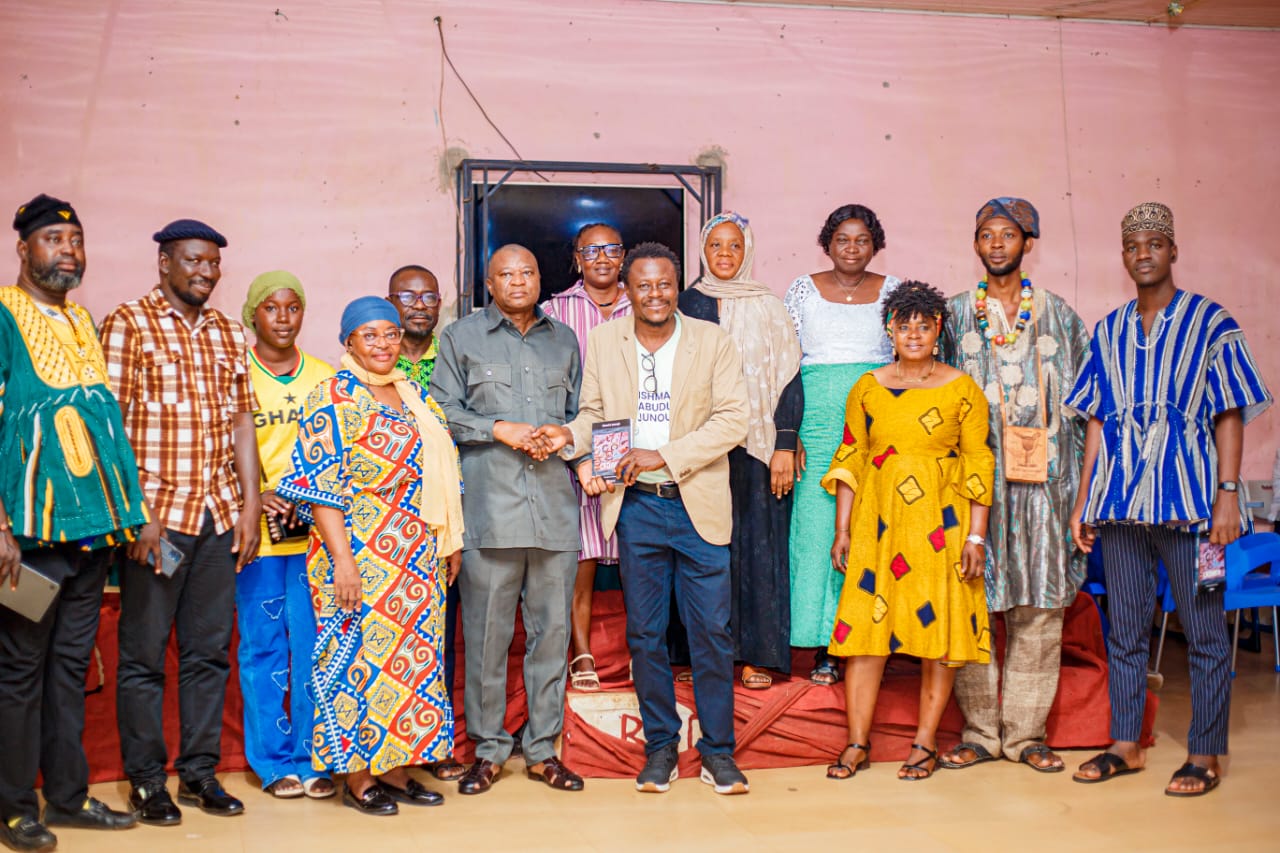
The Upper West Writers’ Association has taken its campaign to promote reading, creative writing and literary development to three educational institutions in the Upper West Region, reaching hundreds of students with books and direct conversations with practising writers.
The Association’s 2026 Book Conversation and Book Donation Programme, held from July 27 to 28, was originally designed for two institutions—Wa Senior High School and Nusrat Jahan Ahmadiyya College of Education.
However, following uncertainty over preparations at Wa Senior High School shortly before the programme, the organising team brought T. I. Ahmadiyya Senior High School, Wa, on board as an additional beneficiary.
The intervention ensured that the literary outreach was expanded rather than disrupted, with all three institutions eventually benefiting from the programme.
Taking literature beyond the classroom
The programme was conceived to do more than place books on school shelves.
It sought to create direct encounters between students and writers, encourage young people to read and write, expose them to the literary community and provide emerging writers with opportunities to develop and publish their work.
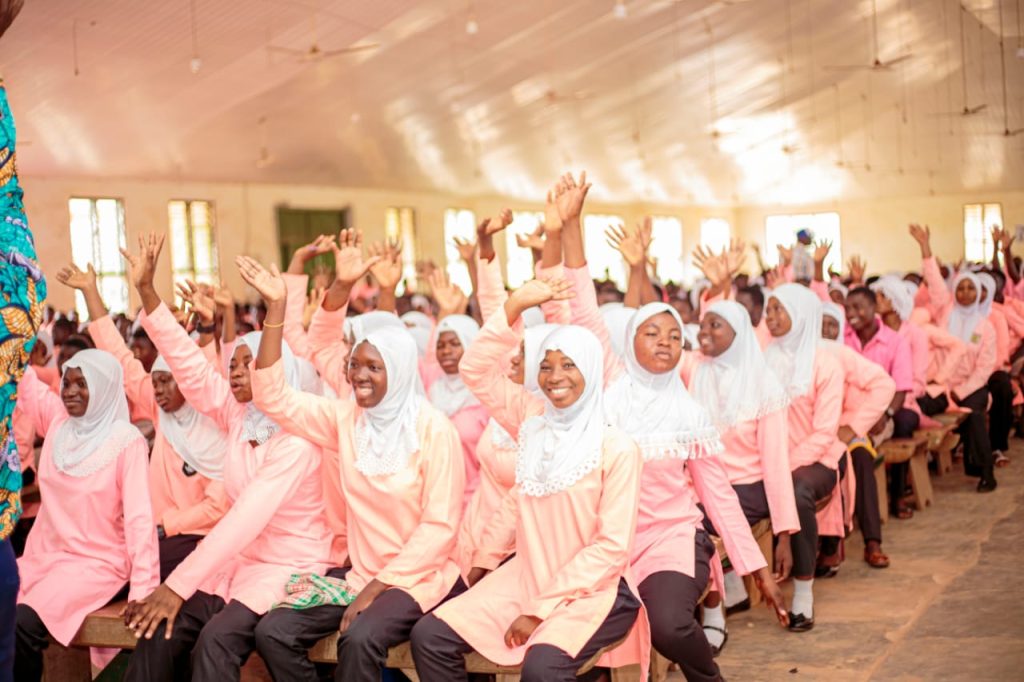
At each of the three institutions, students engaged with members of the Association and were encouraged to see writing not merely as an academic exercise but as a potential avenue for expression, creativity and professional development.
Each beneficiary institution received at least 70 books, with contributions coming from writers and supporters including Dr. Rashid Pelpuo, Poet Pobee, Guonaa Francis, Jude Delle and Saeed Fadlulahi, among others.
From uncertainty to three beneficiary schools
The programme was not without difficulties.
According to the organising team’s report, preparations with Wa Senior High School had been ongoing for more than three months. Yet, just two days before the event, the school requested a formal letter to the Upper West Regional Director of Education seeking permission for the programme.
The uncertainty required further engagement with the school’s Headmaster and other officials.
Rather than allow the difficulty to derail the initiative, the organisers began exploring alternatives and engaged T. I. Ahmadiyya Senior High School as a potential beneficiary.
The contingency plan ultimately proved useful. Following further discussions with Wa Senior High School and the submission of the required letter, the school proceeded with the programme.
The result was an expansion from the planned two institutions to three.
Students engage writers
The physical conditions under which the programme was held varied from school to school.
At Nusrat Jahan Ahmadiyya College of Education and T. I. Ahmadiyya Senior High School, the programme was held in relatively well-prepared spaces, including dining halls where students and facilitators could interact comfortably.
At Wa Senior High School, the programme took place on the school’s parade grounds, leaving students and facilitators standing throughout the presentations and book donation.
Despite the difference in facilities, the literary conversations continued.
The organisers engaged students on reading and creative writing and encouraged them to begin producing their own stories, articles and other literary works.
A pathway to publication
One of the most significant outcomes of the outreach was the enthusiasm shown by students after the events.
Students approached members of the organising team to register their names and express interest in joining the Upper West Writers’ Association.
Some teaching staff also expressed interest in becoming members.
The students were further encouraged to submit their literary works for possible publication through The Bridge Newspaper and its online platform.
For the Association, the development presents an opportunity to transform the annual book donation initiative into a longer-term system for discovering, mentoring and publishing young writers from the region.
The interest also points to an emerging demand for platforms through which young people can have their voices heard beyond the classroom.
Building a literary community
The programme was led by Ishmael Junourgh, with participation from Poet Pobee, Guonaa Francis, Rafique Zakaria and Adiza.
The team handled preparations, institutional engagements, transportation of books and other materials, facilitation and the distribution of books.
Ahead of the school activities, members of the organising team also paid courtesy calls on two senior members of the Association in Wa—Mr. Abudu Sulemana, Founder and Headmaster of Senior Victory College, and Mr. Saeed Farouk, Headmaster of Northern Star Senior High School.
The engagements were intended to strengthen relationships within the Association and connect the current generation of writers and literary activists with senior members of the educational and literary community.
Lessons for the future
The experience has prompted calls for a more structured approach to future editions of the programme.
The Association has identified the need for earlier and more formal engagement with educational authorities, particularly the Upper West Regional Directorate of Education.
It also recommends that participating schools either apply to host future editions or be selected deliberately based on need, especially schools with limited access to books and literary activities.
Before a school is selected, the Association wants clear commitments on the date, venue, student participation, school coordinator, equipment, permissions and respective responsibilities.
The organisers also believe the programme should eventually move beyond book donations.
Partnerships with individuals, corporate organisations, NGOs, government institutions and development agencies could help address wider educational needs identified during the outreach.
A Young Writers’ Programme in sight
Perhaps the most promising prospect emerging from the 2026 initiative is the possibility of establishing a structured Young Writers’ Programme.
Such a programme could provide students with writing mentorship, competitions, publication opportunities and regular interaction with established writers.
The Association is also considering maintaining a database of students who expressed interest in joining the organisation. Such a database could form the foundation for a student writers’ network or youth wing of the Upper West Writers’ Association.
The cost of taking books to schools
The Association released GH¢3,500 for the organisation of the programme.
The expenditure covered the printing of two banner posters, transportation of the lead organiser between Accra and Wa, media partnership, banner delivery and deployment, as well as transportation within Wa and other programme-related movements.
The organisers said some local transportation costs increased because members of the team had to visit certain schools more than once during the preparatory phase to address coordination and logistical issues.
More than books
The 2026 Book Conversation and Book Donation Programme ultimately delivered more than books.
It created encounters between young people and writers, opened a door to publication, generated interest in membership of a literary association and strengthened links between schools and the region’s literary community.
For the Upper West Writers’ Association, the challenge now is to build on that momentum.
The experience has shown that there is a reservoir of interest among young people in reading and writing when they are given access to books, writers and platforms for expression. The Association’s next step could therefore be to transform the initiative from an annual book donation exercise into a sustained literary outreach programme; one capable of discovering and nurturing the next generation of writers from the Upper West Region.