
 By Dr. Charles Prempeh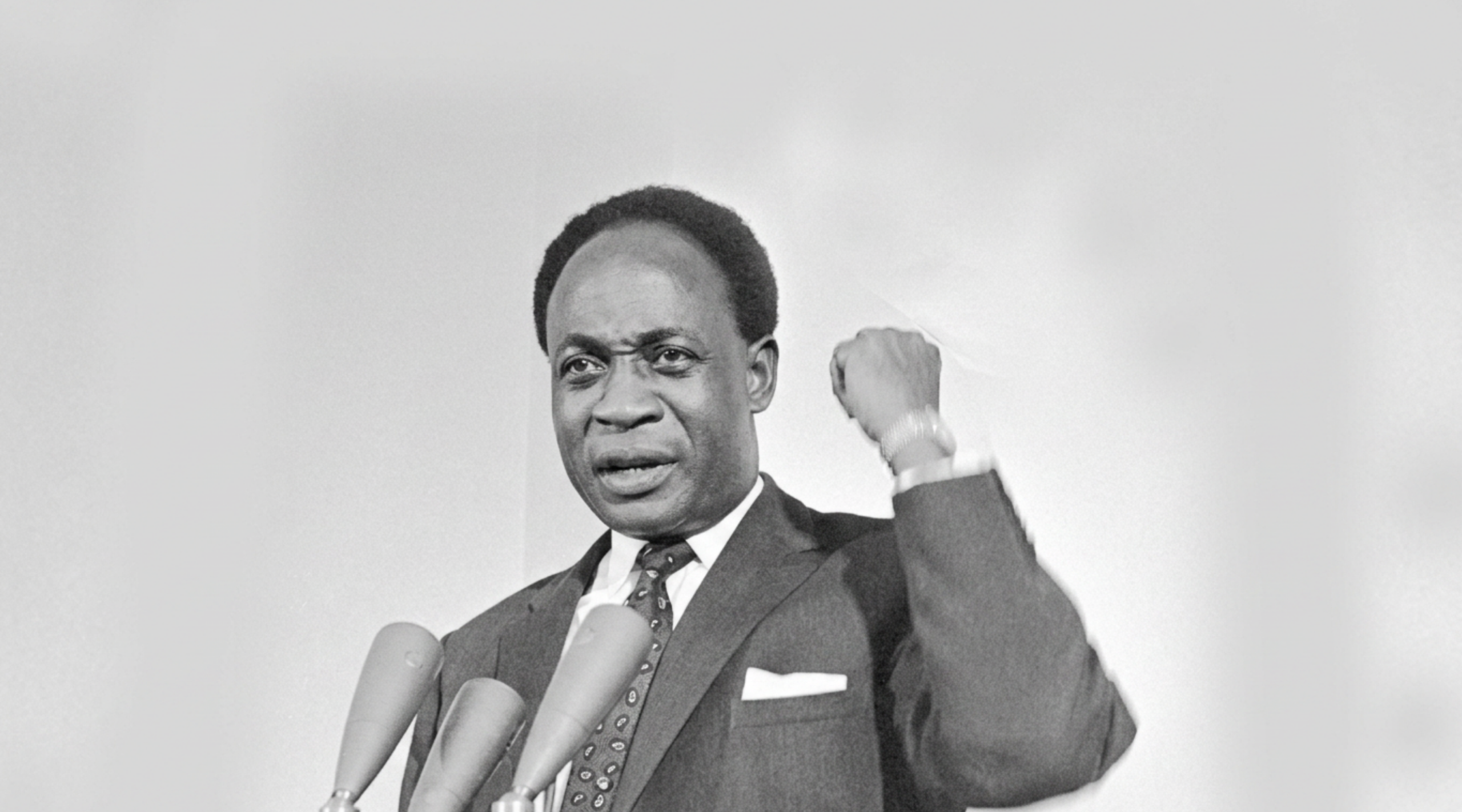
Every generation inherits the responsibility of improving Ghana. Today’s young people have embraced that responsibility with remarkable energy, demanding accountability, better governance and economic opportunity through movements such as #FixTheCountry. Their passion deserves recognition. But passion alone has never transformed a modern state. Ghana’s own history reminds us that successful political change requires more than outrage; it requires ideas, organisation and a long-term vision.
Our political debates often return to familiar questions about the country’s founding. The disagreement over whether Ghana should celebrate Founder’s Day or Founders’ Day is not simply about grammar. It reflects a deeper contest over our national identity. One tradition emphasises Kwame Nkrumah as the singular architect of independence, while another recognises the collective contribution of the Big Six. These competing narratives continue to shape the political traditions represented by the NDC and the NPP.
Nevertheless, the more important question is not who founded Ghana, but how the Ghanaian state was built and why governing it has always been difficult. At independence, Ghana inherited more than political freedom. It inherited a society with multiple identities, traditions and loyalties. Ethnic communities, religious institutions and traditional authorities had long commanded the allegiance of their people. Creating a modern nation required persuading citizens that the new state deserved their primary loyalty.
Nkrumah understood this challenge. His famous call to “seek ye first the political kingdom” was, therefore, not simply a campaign slogan. It was an attempt to convince Ghanaians that political independence would create the conditions for economic and social progress. He invested heavily in national symbols, civic education, youth organisations and institutions designed to foster a shared national identity.
Some of his policies reflected the realities of a fragile postcolonial state. His decision to ban political parties organised around ethnicity or religion arguably helped prevent the country from descending into ethnic politics at a vulnerable moment in its history.
However, the same determination to preserve national unity gradually became a justification for concentrating political power. The detention of political opponents, restrictions on dissent and the establishment of a one-party state weakened the democratic freedoms independence was meant to protect. Nkrumah’s greatest mistake was not recognising that the methods used to win independence could not indefinitely govern a free nation.
His difficulties also reflected the complexity of Ghana itself. The new republic did not emerge on empty political ground. It had to coexist with older systems of authority, particularly in Asante, where loyalty to the Golden Stool represented a long-established understanding of political legitimacy. Building a united Ghana therefore required more than constitutional arrangements. It required balancing national identity with deeply rooted historical loyalties.
These tensions have never completely disappeared. They continue to shape our politics today.
This history offers valuable lessons for understanding the rise of the #FixTheCountry Movement. The movement emerged from genuine frustrations about unemployment, corruption, inequality and the rising cost of living. It gave voice to many young Ghanaians who felt excluded from the country’s economic progress. Through social media and peaceful demonstrations, it succeeded in drawing national attention to important public concerns.
Yet raising awareness is not the same as building political power.
Political movements endure when they possess popular support and a clear philosophy, disciplined organisation and institutions capable of surviving setbacks. History shows that every successful movement eventually moves beyond protest to the harder work of organisation, negotiation and long-term political engagement.
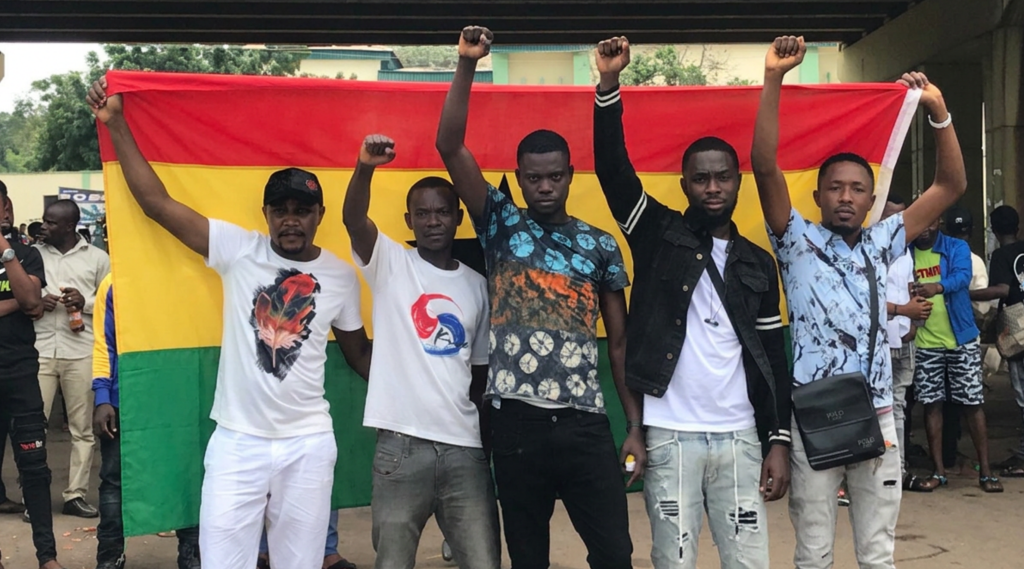
The #FixTheCountry Movement demonstrated enormous moral energy but struggled to develop that institutional depth. Social media generated visibility, public demonstrations created solidarity and slogans captured public frustration. However, emotional momentum is difficult to sustain. As public attention shifted and legal challenges mounted, the movement found it increasingly difficult to maintain its earlier influence.
The experience of Oliver Barker-Vormawor illustrates this challenge. For many supporters, he became a symbol of resistance against injustice. His legal battles attracted public sympathy and reinforced the movement’s message about governance and accountability. But symbols alone cannot sustain political movements. Lasting political change depends on strong institutions, coherent leadership and a shared vision that extends beyond individual personalities.
This is not an argument against youth activism. On the contrary, democratic societies depend on active and courageous young citizens who are willing to challenge injustice and demand better leadership. Ghana needs that civic energy now more than ever. The lesson is that activism alone is not enough. Lasting political change requires organisation, political education, strategic alliances and patience. It requires understanding that the state is not simply a government to be criticised but a complex institution shaped by history, competing interests and deeply rooted social loyalties.
The generation behind #FixTheCountry has already demonstrated its capacity to mobilise public opinion. The next challenge is to transform that energy into durable civic institutions and sustained political engagement. Ghana’s democratic future will not be secured through outrage alone. It will be secured when moral conviction is matched by discipline, when protest is complemented by organisation and when youthful passion is guided by a clear understanding of the state we seek to reform. Our history teaches that building a nation is harder than opposing a government. It is a lesson every generation must learn if it hopes to leave Ghana stronger than it found it.
 Ishmael Junourgh