
 By Ishmael Junourgh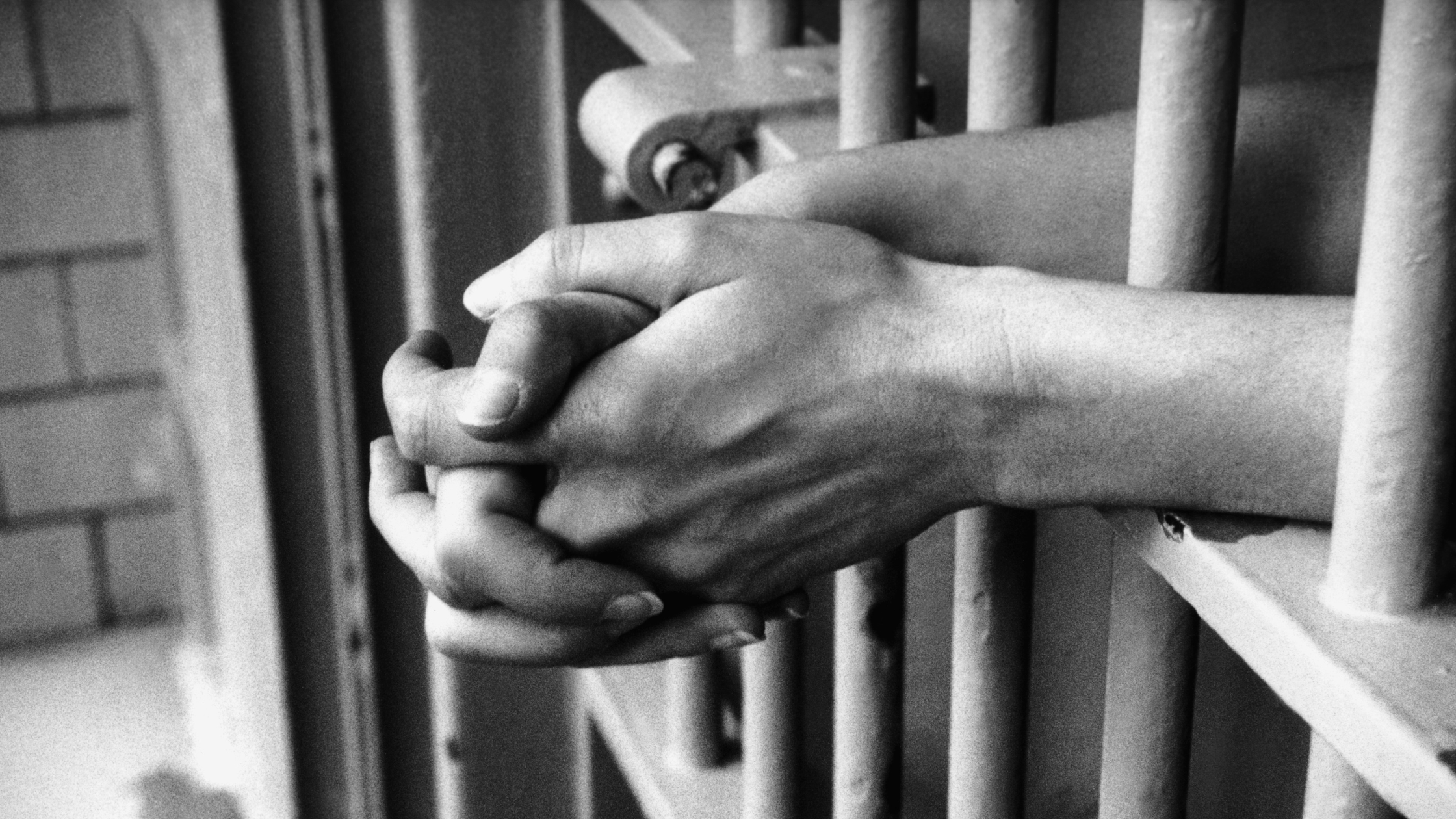
Reports by some media outlets this morning indicate that 37 inmates at Nsawam Prison who have successfully completed their Bachelor’s Degree programmes have sat for the Teacher Licensure Examination under strict supervision.
In the wake of the passage and enactment of Ghana’s Community Service law, this is welcome news. It highlights the importance of education, rehabilitation, skills development and the reintegration of offenders into society.
Under the Community Service Act, certain categories of convicted persons may, subject to the applicable legal criteria, risk assessment and court orders, be sentenced to perform community service as an alternative to custodial imprisonment.
The new framework also creates an opportunity to consider how the knowledge, skills and professional qualifications acquired by offenders can, where legally permissible, be put to constructive and positive use in communities.
For instance, a convicted person who has successfully completed a Bachelor’s Degree, passes the requisite Teacher Licensure Examination and meets all relevant statutory, professional and regulatory requirements could potentially be considered for community-service duties involving educational support in deprived or rural communities where there is an identified need.
Such an approach would allow community service to serve not merely as a form of punishment, but also as a mechanism for rehabilitation, restitution and reintegration.
It is important, however, to emphasise that passing the Teacher Licensure Examination would not automatically make an inmate eligible for community service or authorise them to teach as part of a sentence. Any such arrangement would have to be consistent with the Community Service Act, the relevant court order, professional licensing requirements and the decisions of the competent authorities.
Ultimately, community service should seek to achieve a balance between accountability and rehabilitation, while enabling offenders, where appropriate, to make a meaningful and constructive contribution to society.
Punishment should hold offenders accountable; rehabilitation should help prepare them to become productive members of society.
Mr Alhassan MbalbaSocial Worker/Social Protection Expert