 By Ishmael Junourgh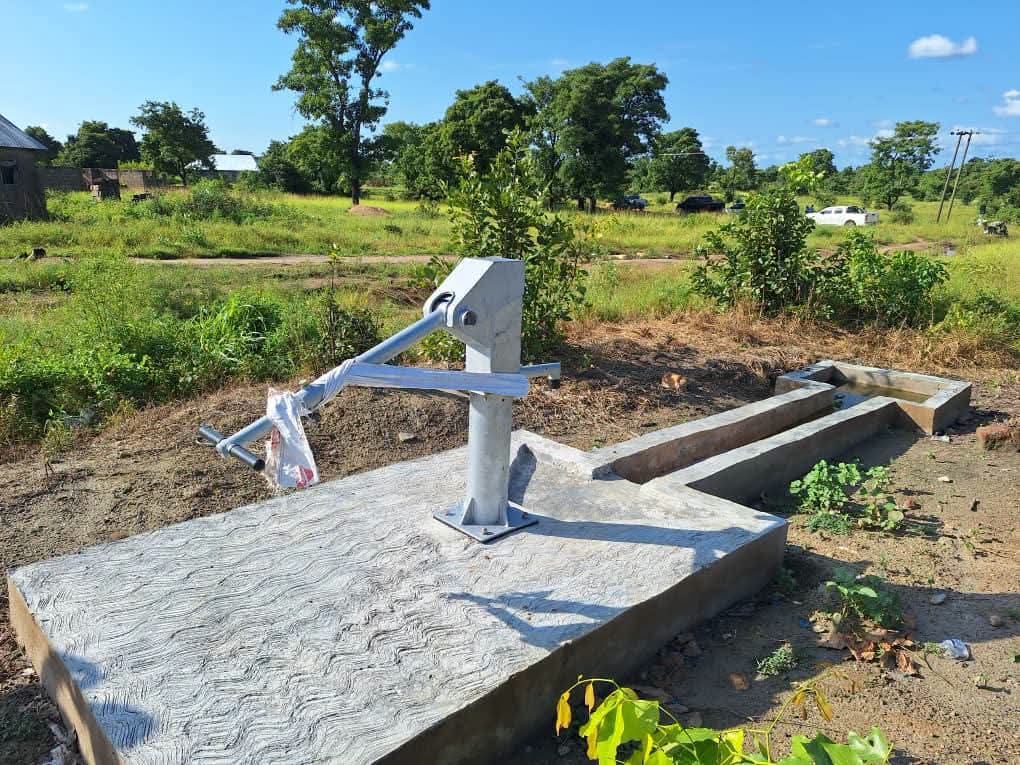
Rural community moves from unsafe streams to potable water as intervention tackles health, poverty and gender inequality
For years, getting a bucket of water in Taanbilipuo was not simply a household chore—it was a daily battle.
Women and children were forced to depend on streams for water, often competing with other residents for the scarce resource. In some instances, the desperation over water reportedly resulted in quarrels and scrambling among residents.
That painful chapter may now be coming to an end.
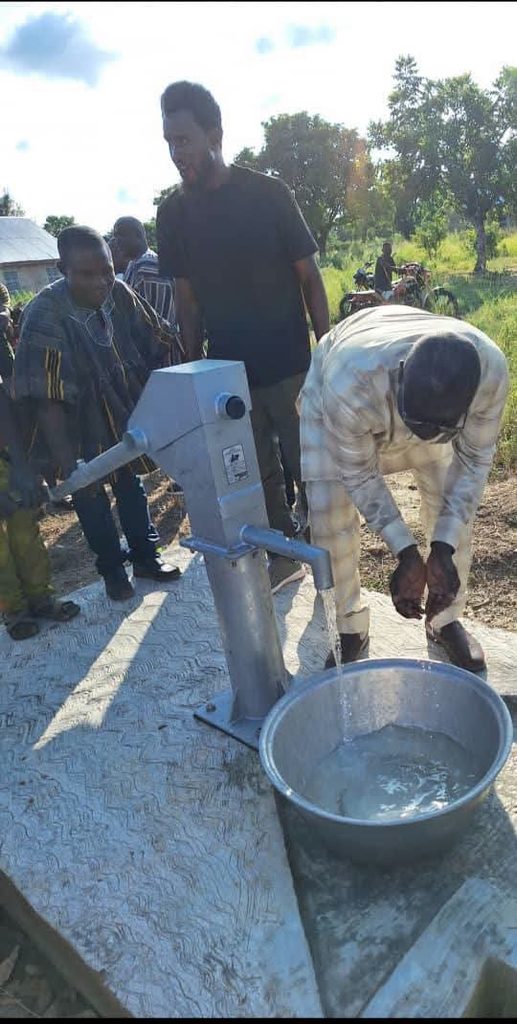
Residents of Taanbilipuo in the Wa East District of the Upper West Region have gained access to a new borehole facilitated by the Member of Parliament for the area, Dr. Godfred Seidu Jasaw, in collaboration with the District Chief Executive, Hon. Sayibu Adamu.
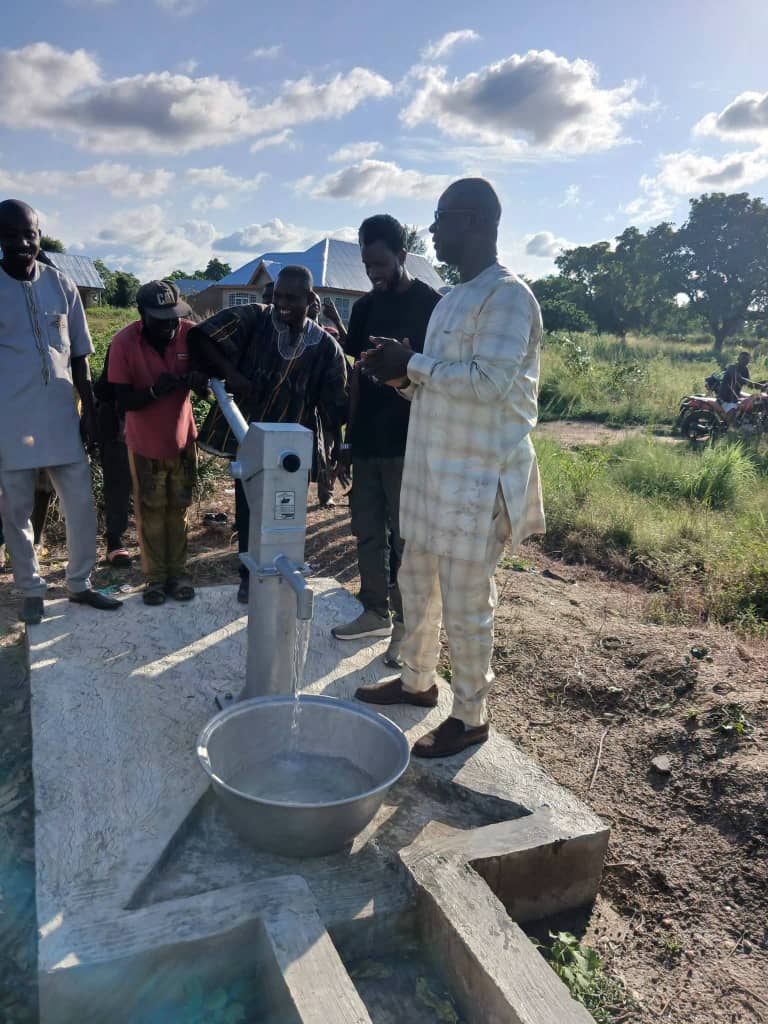
The intervention has brought renewed hope to a community where access to potable water has long remained a basic but unmet development need.
For residents, particularly women who bear much of the responsibility for fetching water, the new facility means more than simply having water closer to home.
It means less time walking to streams, fewer confrontations over scarce water, reduced exposure to unsafe sources and more time for farming, trading, childcare and other productive activities.
“This is a relief,” residents said as they welcomed the intervention, with Takuu Peter and others expressing gratitude to Dr. Jasaw and the DCE for responding to their plea.
The water crisis in Taanbilipuo also exposes the wider development inequalities that continue to confront rural communities, where access to basic infrastructure can determine whether families live with dignity or remain trapped in cycles of deprivation.
Safe water is not merely an infrastructure issue. It is a health issue, an education issue, a women’s rights issue and an economic development issue.
The intervention therefore directly advances Sustainable Development Goal 6, which seeks universal access to clean water and sanitation, while supporting SDG 3 on good health and well-being, SDG 4 on quality education, SDG 5 on gender equality and SDG 1 on ending poverty.
When women spend fewer hours searching for water, they have more time to participate in economic activities. When children no longer have to spend hours fetching water, they have more time to learn. And when families have access to safer water, the risks associated with waterborne diseases are reduced.
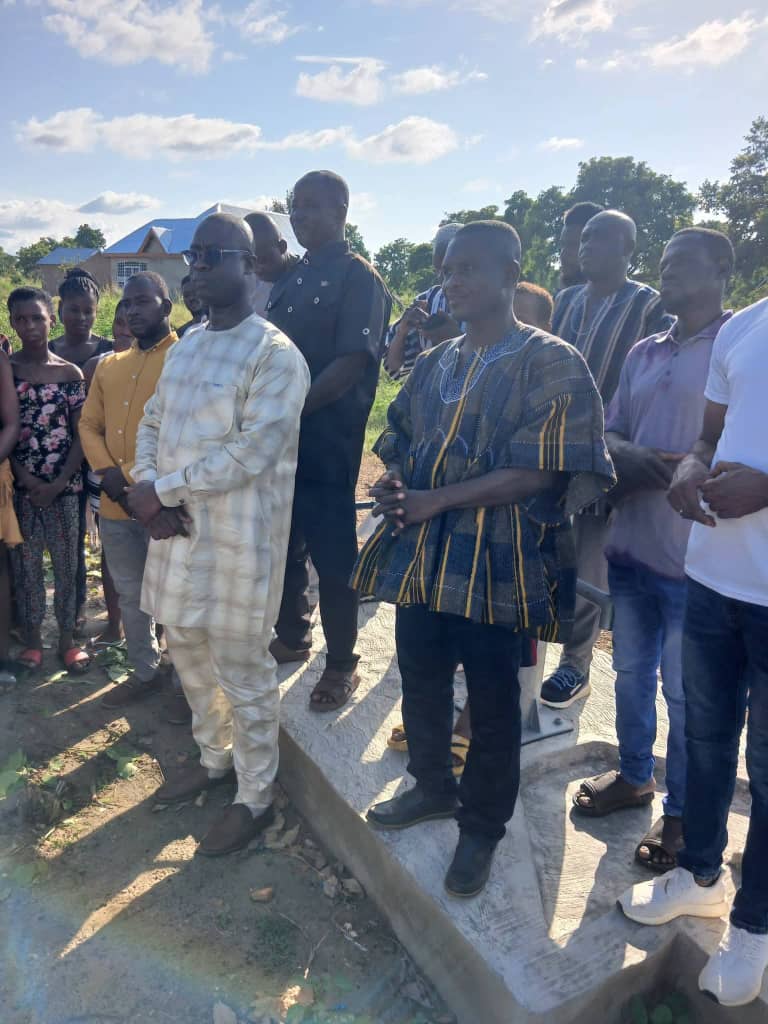
Dr. Jasaw and Hon. Sayibu Adamu have consequently urged residents to take ownership of the facility, use it responsibly and ensure that it is properly maintained to serve the community for generations.
The challenge now is sustainability.
For Taanbilipuo, the commissioning marks a significant shift from scrambling for water to accessing water with dignity.
But the story also raises a bigger question for rural Ghana: how many communities are still waiting for the basic right to clean and safe water?
For the residents of Taanbilipuo, at least, the answer is beginning to change. The stream is no longer their only hope.