
 By Ishmael Junourgh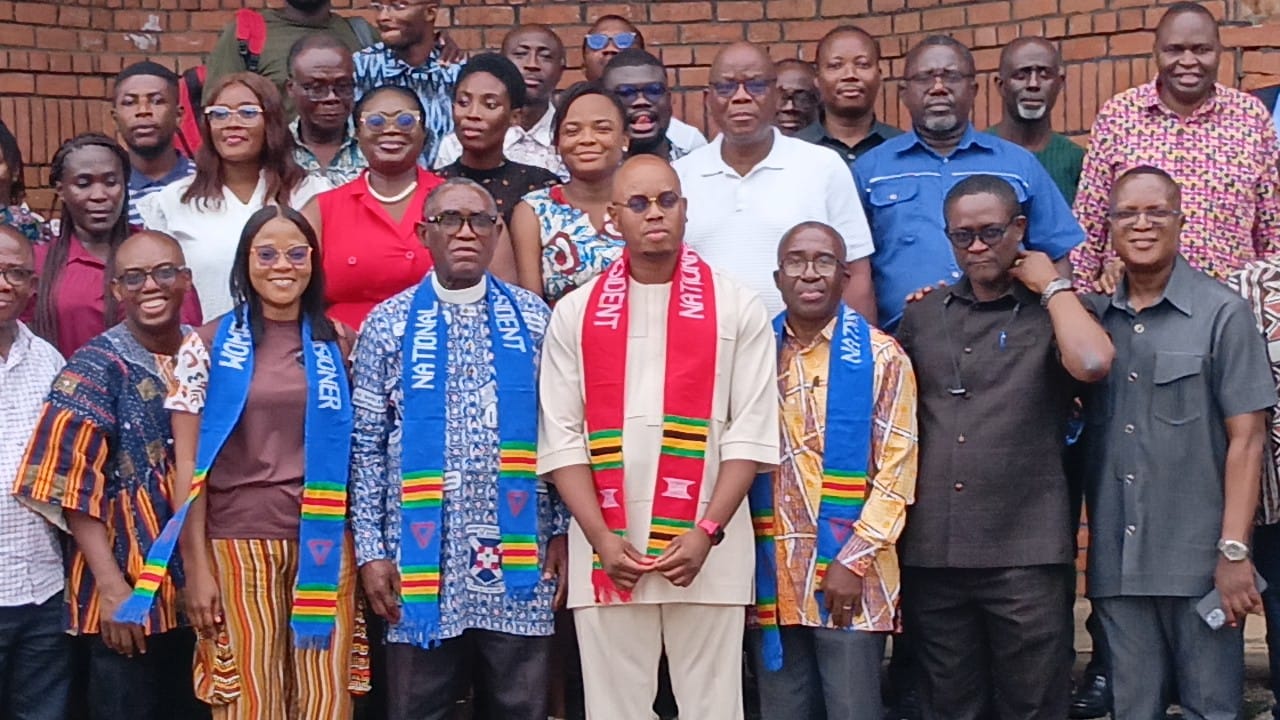
Dela Cofie targets unity, membership growth, youth empowerment and financial sustainability
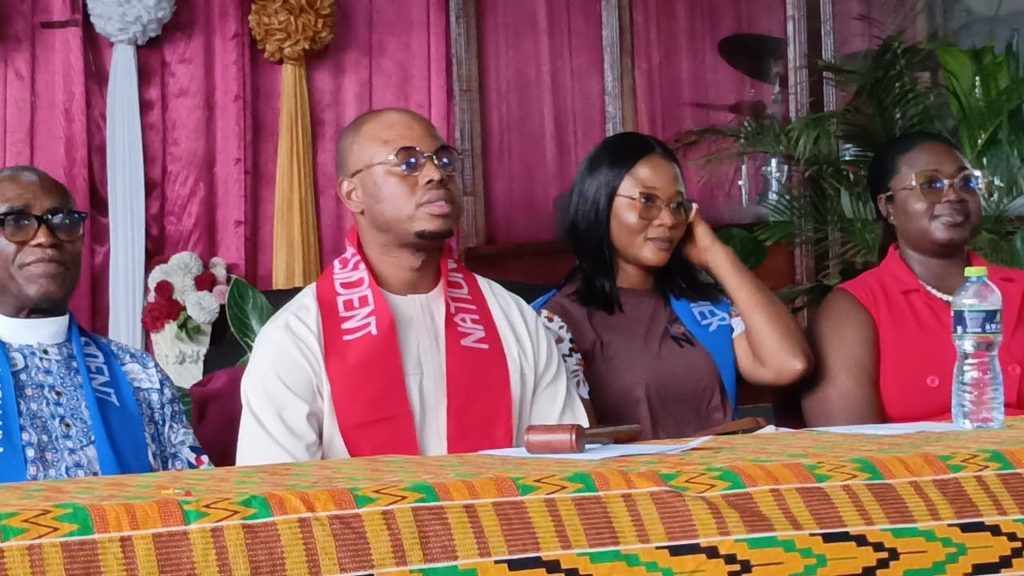
Newly elected National President of the Ghana YMCA, George Dela Cofie, has unveiled an ambitious four-year vision to rebuild organisational harmony, expand membership, empower young people and reposition the YMCA as a nationally recognised institution for youth development and community transformation.
Mr Cofie, popularly known as Dela, emerged as the new National President following the organisation’s recent elections and has pledged to lead an administration focused on unity, innovation, youth participation and financial sustainability.
Speaking in an interview after his election, Dela Cofie said he wants to be remembered as a president who restored harmony between staff and volunteers, reversed declining membership and established programmes capable of making a meaningful difference in the lives of young people and communities.
“In the next four years, I want to be able to have harmony,” he said, identifying internal cohesion as one of his foremost priorities.
He said increasing membership and developing policies and programmes that benefit young people both within the YMCA and across Ghana would also define his administration.
A YMCA driven by young people
At the heart of Dela Cofie’s vision is a stronger youth-driven YMCA.
He said targeted programmes and social enterprises would be among the key benchmarks by which members and the Ghanaian public should assess the success of his administration.
According to him, the YMCA must become an organisation where young people are not simply recipients of programmes but are actively involved in developing solutions to social and economic challenges.
He wants the organisation to harness the creativity, energy and innovation of young people to address community needs while creating opportunities for employment and entrepreneurship.
Stronger government and private-sector partnerships
Dela Cofie also intends to aggressively pursue partnerships with government, the private sector, development agencies, UN institutions and international YMCA networks.
He expressed concern that despite the YMCA’s development interventions, the organisation has not established sufficiently strong connections with some major government and development institutions.
“I think it’s rather unfortunate that Ghana YMCA is doing a lot, but has no connections with the government and UN agencies,” he said.
But the new president believes part of the challenge lies in how the organisation communicates its work.
“Our story is not going out yet. I think we keep our stories to ourselves,” he said.
He therefore wants the YMCA to become more visible through radio, television and other media platforms, arguing that stronger public visibility could attract partnerships and support.
Social enterprises to build financial independence
Financial sustainability is another major pillar of the new administration.
Dela Cofie said dependence on external donors and partners could not provide a sustainable financial foundation for the organisation.
His administration will therefore explore the YMCA’s land and other assets for viable social enterprises capable of generating revenue to support its programmes.
The strategy, he said, is intended to gradually strengthen the YMCA’s ability to finance its own operations and development initiatives while still working with external partners.
AI, IT and the future of youth employment
As Ghana confronts persistent youth unemployment and a rapidly changing digital economy, Dela Cofie said artificial intelligence and information technology would feature prominently in his youth empowerment agenda.
He said the YMCA would explore training programmes that equip young people with practical AI and IT skills, enabling them to create opportunities for themselves rather than relying solely on traditional employment.
“You don’t need to be employed to become an AI specialist,” he said.
For Dela Cofie, the YMCA must anticipate the changing world of work and ensure that its programmes remain relevant to the aspirations and realities of today’s young generation.
Taking YMCA programmes to Northern Ghana
The newly elected president has also identified deprived and rural communities, particularly in Northern Ghana, as important areas for programme expansion.
He recalled his previous youth leadership initiative, “Cloth Them,” which mobilised clothing for distribution to people in deprived communities.
Dela Cofie said the experience demonstrated the importance of listening directly to communities and designing interventions around their actual needs.
He therefore intends to expand YMCA programmes by engaging communities, identifying their priorities and developing interventions that respond to local circumstances.
Dela Cofie extends hand of unity
Following a competitive election, the new National President has extended an invitation to all members, including those who supported other candidates, to join his administration in rebuilding the organisation.
He said electoral differences should not become permanent divisions within the YMCA.
“Anybody who didn’t vote for me doesn’t mean he doesn’t like me,” he said.
Dela Cofie pledged to bring everyone together and work collectively to advance the YMCA’s broader agenda.
Youth, membership and staff welfare top first 100 days
For his first 100 days in office, Dela Cofie has identified three immediate priorities: youth-focused programmes, membership expansion and staff welfare.
The priorities reflect his intention to tackle both the organisation’s external relevance and internal challenges.
While youth programmes will seek to strengthen the YMCA’s impact, membership expansion is expected to broaden its reach, while improved staff welfare could contribute to stronger institutional cohesion and productivity.
A YMCA known by the nation
Ultimately, Dela Cofie wants to transform the YMCA from an organisation known mainly among its members into a household name in Ghana’s development landscape.
“It should be known by the public, the nation Ghana,” he said.
His vision is for the YMCA to become an institution that Ghanaians look to whenever the country faces social, economic or youth-related challenges requiring innovative and community-based solutions.
He acknowledged, however, that mobilising the resources required to achieve this vision would be one of his administration’s biggest challenges.
He believes stronger engagement with the public and private sectors will be critical to raising the resources needed to run and expand the organisation.
New national leadership
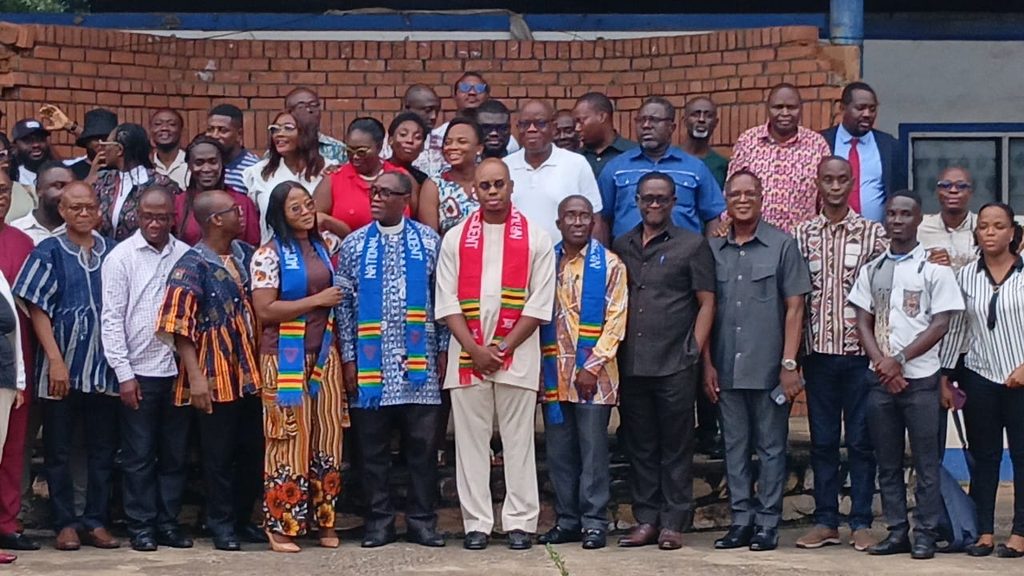
Dela Cofie will work with a new national executive team comprising Rev. Alex Owusu Addo, National Vice President; Sarah Mamle Kojo, Second Vice President responsible for Gender; and Frederick Osei Ohene, Honorary Treasurer.
Together, the new leadership faces the task of translating the president’s four-year vision into concrete programmes, partnerships and measurable outcomes. For newly elected Ghana YMCA National President George Dela Cofie, the mission is clear: restore harmony, rebuild membership, put young people at the centre, create sustainable sources of income and make the YMCA’s contribution to Ghana’s development visible to the entire nation.