
 By Ishmael Junourgh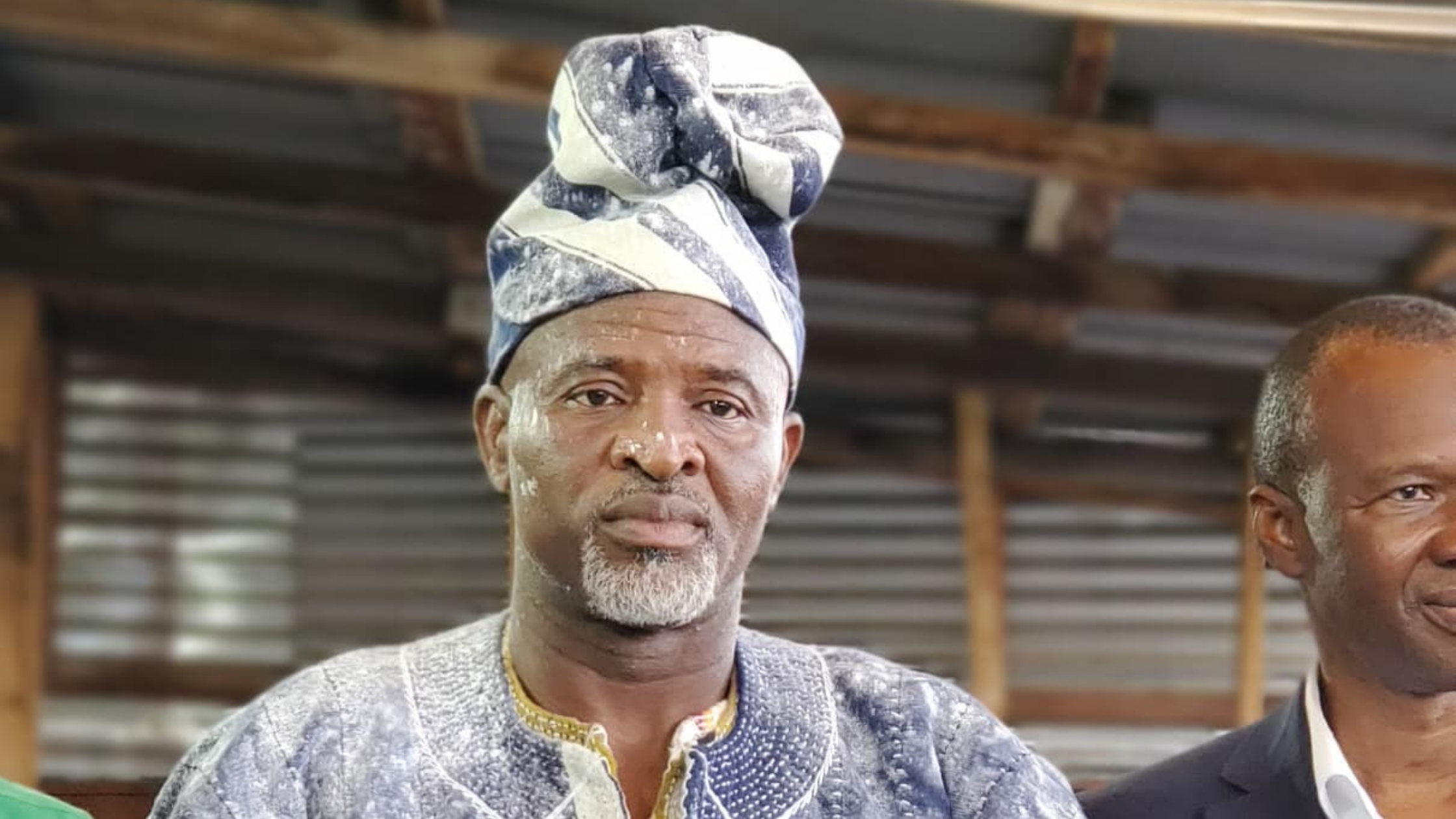
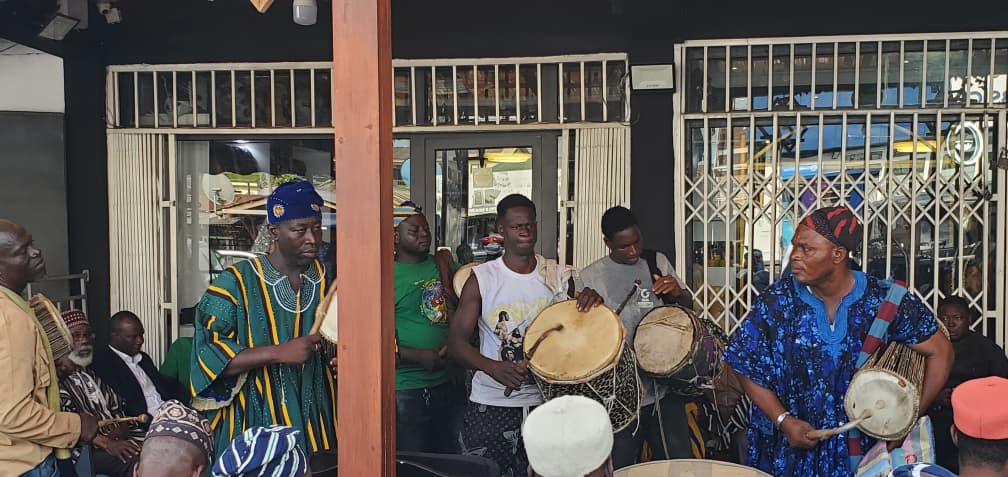
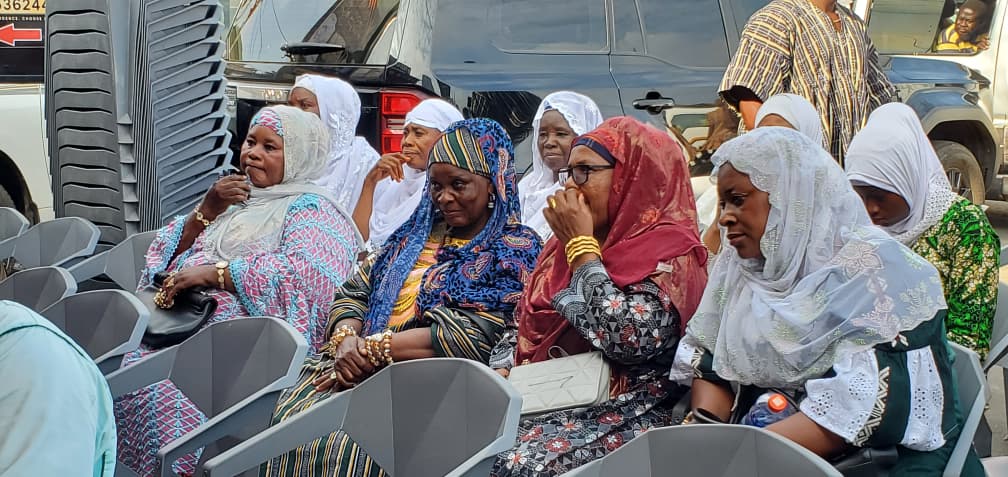
ACCRA — At exactly 2:00 p.m. on Thursday, August 27, 2026, amid the bustle of the Mamobi–Kaneshie Station in Ghana’s capital, a ceremony rooted in the ancient traditions of Wa unfolded hundreds of kilometres from the ancestral homeland of the Wala people.
It was more than the installation of a traditional leader.
It was an assertion of identity.
It was a declaration that migration does not necessarily mean cultural disappearance, and that a people living away from their ancestral homeland can reproduce, preserve and transmit the institutions that define who they are.
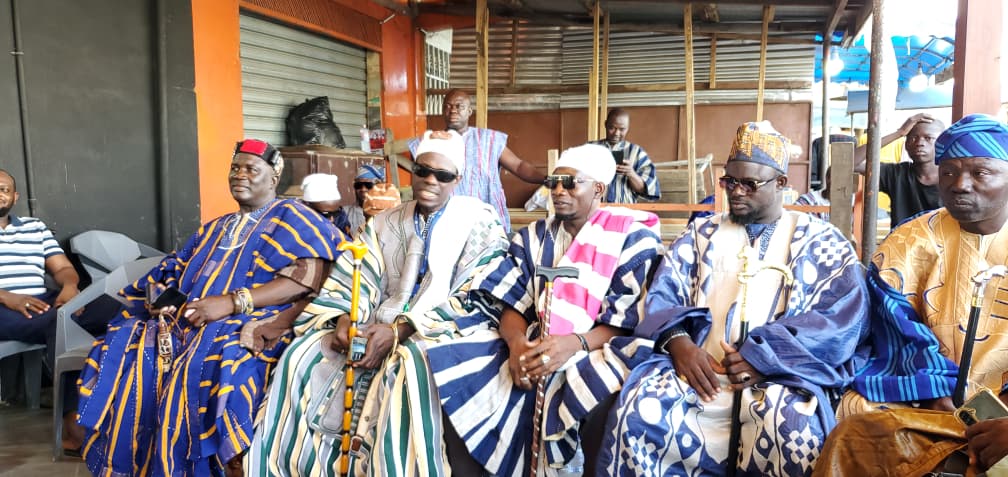
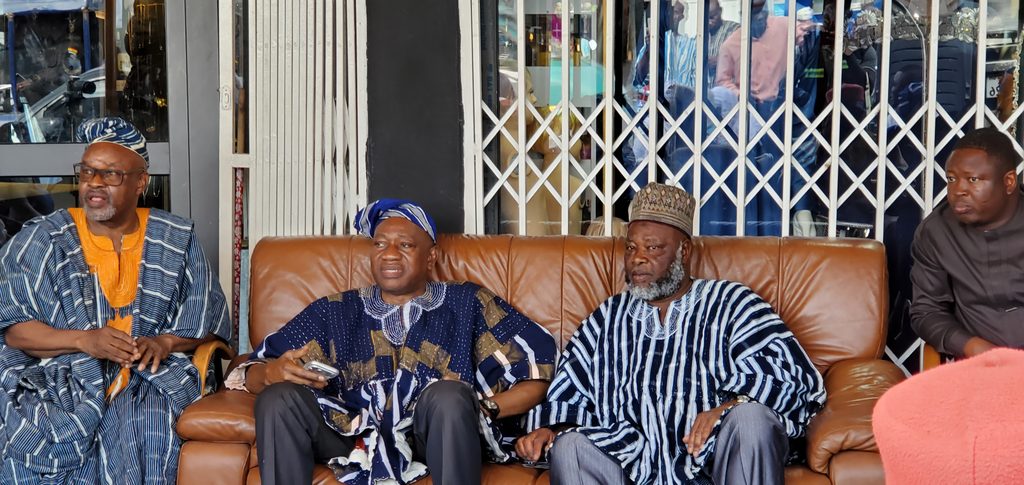
Before elders, members of the Wala community and invited guests, Naa Tofik Abdul Sankuri, a royal of the Naajeri Gate of Wa, was traditionally installed as the Greater Accra Wala Chief.
For the Wala community, the significance of the ceremony lies in what makes this installation different from those that preceded it.
According to Alhaji B. K. Mahama, spokesperson for the occasion, Naa Tofik’s installation represents the first substantive Wala chieftaincy in Greater Accra to have been traditionally installed and recognised by the Wala Traditional Authority.
That distinction is central to the story.
For years, the Wala community in Accra had individuals who were described or regarded by sections of the community as chiefs. But, according to Alhaji B. K. Mahama, those earlier arrangements did not follow the traditional processes governing Wala chieftaincy.
The latest installation, he explained, represents a return to royal lineage, customary procedure and traditional legitimacy.
WHEN WA TRAVELS TO ACCRA
The story of Naa Tofik’s installation cannot be separated from the traditional architecture of Waala chieftaincy.
The Waala traditional succession system is anchored in four royal gates: Yijiihi, Jonnyouhi, Naajeri and Naakpaaha.
Naa Tofik comes from the Naajeri Royal Gate.
His lineage, therefore, gives the Accra installation a direct connection to the traditional institution in Wa.
The current Wa Paramount Chief, Naa Seidu Pelpuo, comes from the Yijiihi Gate.
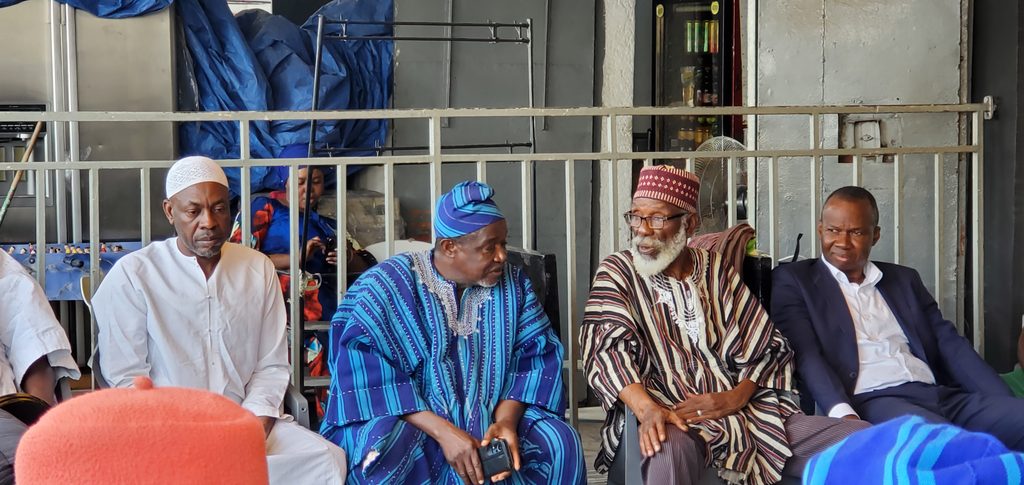
His brother, Hon. Dr. Rashid Pelpuo, the Member of Parliament for Wa Central and himself a royal of the Yijiihi Gate, was among those who witnessed the installation in Accra.
His presence was symbolically significant.
A royal of the Yijiihi Gate was witnessing the installation of a royal from Naajeri — two parts of the traditional succession structure coming together in the diaspora.
For Dr. Pelpuo, the ceremony represented something much larger than a chieftaincy event.
He stressed the importance of maintaining tradition regardless of where members of a community find themselves.
“If we are anywhere in Ghana, in the world, you keep your tradition and you keep it happening,” he said.
His words captured the broader challenge confronting many African communities whose people are increasingly dispersed across cities and international borders.
The question is no longer simply whether tradition can survive.
It is whether tradition can travel without losing its roots.
A RETURN TO TRADITIONAL LEGITIMACY
Alhaji B. K. Mahama explained that previous individuals who occupied or claimed the position of Wala chief in Accra did not necessarily derive their authority through the traditional structures governing Wala chieftaincy.
Some, he said, attained recognition through personal influence, wealth or community support rather than through the established customary installation process.
The present installation was deliberately different.
Naa Tofik was installed through a process rooted in royal lineage and recognised traditional authority.
For the Wala community, that distinction matters.
In an era when traditional institutions operate alongside modern political and urban systems, questions of lineage, legitimacy and customary recognition remain central to the survival of chieftaincy.
The Accra installation therefore represents an attempt to ensure that the Wala traditional institution does not lose its customary foundation simply because its people have migrated.
SEVEN REPRESENTATIVES, ONE TRADITION
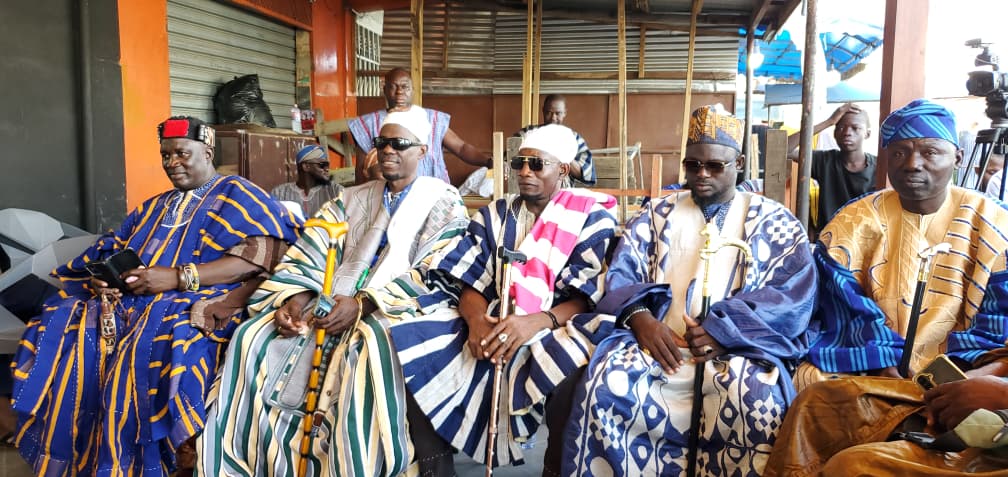
The installation itself followed a traditional process involving seven representatives.
According to Alhaji B. K. Mahama, the process involves representatives of the Naajeri, Jonnyouhi, Yijiihi and Naakpaaha gates, together with the Froko, Tendana and Yare Naa.
The Froko has the specific responsibility of placing the traditional installation regalia on the newly installed chief.
These procedures are important because they distinguish traditional installation from informal recognition.
And because Naa Tofik is to serve the Wala community in Greater Accra, his installation had to take place in Accra.
The chief was not being transported from Wa to assume an office in Accra.
He was being installed where his new traditional responsibility would be exercised.
After the installation, he is expected to be introduced to the Wala Traditional Council and the Ga Mantse, reflecting the position of the Wala community within the wider traditional environment of Accra.
“CULTURE MAKES THE PERSON”
For Dr. Rashid Pelpuo, culture is inseparable from identity.
He described the installation as an important reflection of the tradition practised in Wa and emphasised the importance of maintaining ancestral customs wherever people find themselves.
“Culture makes the person. It defines society,” he said.
He argued that respecting traditions handed down by ancestors can help strengthen social cohesion and unity of purpose.
“If your grandfathers do something and they leave it behind, in order to bring about social cohesion, unity of purpose, you follow the tradition,” he said.
The message resonates far beyond the Wala community.
Across Africa, migration and urbanisation are transforming the relationship between people and their ancestral communities.
Young Africans increasingly grow up away from the villages, towns and traditional areas from which their parents and grandparents originate.
Accra, in particular, has become a meeting point for communities from every part of Ghana.
The challenge for migrant communities is how to preserve their identity without becoming isolated from the society around them.
The Wala response is to carry their traditional institution with them.
A CHIEF BETWEEN WA AND ACCRA
Naa Tofik’s new role is therefore best understood as a bridge.
One end is anchored in Wa, where the customs, royal gates and traditional institutions of the Wala people are rooted.
The other is in Accra, where a growing Wala population lives, works, studies and raises families.
The newly installed chief is expected to serve as an ambassador of the Wala Traditional Area in Accra.
His responsibility will include maintaining institutional and cultural links between the Wala community in the capital and the traditional authority in Wa.
Traditional activities, ceremonies and festivals are expected to be replicated in Accra.
That could be particularly important for younger Wala people born and raised in the capital.
For them, Wa may increasingly become an ancestral reference rather than a lived experience.
The new chieftaincy is intended to ensure that the connection does not disappear.
DAMBA AND THE DUTY OF A CHIEF
The timing of the installation was also significant.
The ceremony was completed quickly because of the approaching Damba festival in Wa, with Naa Tofik expected to return to participate in the celebrations.
For the organisers, his participation matters.
A Wala chief, they argue, must remain connected to the major cultural ceremonies of his people.
His movement from an installation ceremony in Accra back to Wa for Damba symbolises the nature of the new office.
His work may be in the diaspora.
His roots remain in Wa.
A larger outdoor ceremony is expected to be held in Accra later, featuring cultural and traditional displays and broader community participation.
“ISLAM DID NOT TAKE THE PLACE OF WALA TRADITION”
In his first message following the installation, Naa Tofik called for unity among Wala people in Accra and urged them to take greater responsibility for promoting their cultural heritage.
He also called on Wala and Dagaaba communities to work together to promote the cultures of the Upper West Region.
One of his strongest messages concerned the relationship between Islam and Wala tradition.
He argued that Islam did not replace Wala culture.
Rather, he said, Wala people had become reluctant to promote their own cultural heritage.
His appeal was therefore for a revival of cultural consciousness, particularly among younger generations.
The message is significant because it frames cultural preservation not as a rejection of religious identity but as an affirmation of historical memory.
FROM CULTURE TO COMMUNITY DEVELOPMENT
The new chief also wants the institution to contribute to the social and educational development of the Wala community.
He expressed plans to establish a foundation capable of supporting needy but brilliant students.
Existing Wala WhatsApp platforms, he said, could be used to mobilise financial resources to support Wala and Dagaaba students who need assistance to pursue their education.
The proposal gives the new chieftaincy a developmental dimension.
Culture is not being presented simply as something to be displayed during festivals.
It is being connected to education, social welfare, community organisation and development.
BUILDING A WALA REGISTER IN ACCRA
Alhaji B. K. Mahama also outlined plans to establish a register of Wala and Dagaaba residents across Accra.
Representatives in various suburbs would identify members of the community, maintain records and facilitate communication and mobilisation.
The representatives would not necessarily have to come from the royal gates of Wa.
Their role would be administrative and community-oriented.
In a city as vast as Accra, such a structure could make it easier to locate members of the community, organise activities and mobilise people for development initiatives.
It could also become a mechanism for reconnecting people who have become geographically separated from one another.
THE LANGUAGE OF REGALIA
Alhaji B. K. Mahama also used the occasion to explain the significance of Wala traditional regalia.
He noted that immediately after installation, the chief wears his hat straight, pointing towards the sky.
Elders may wear theirs towards the left, right, front or back.
To an outsider, such distinctions may appear minor.
Within traditional societies, however, symbols often communicate hierarchy, authority and identity.
The regalia is therefore not simply clothing.
It is part of the institutional language of Wala chieftaincy.
THE BIGGER AFRICAN STORY
What happened at Mamobi–Kaneshie on August 27 is part of a much larger African story.
Across the continent, traditional institutions are being tested by urbanisation, migration, globalisation, religious change and generational transformation.
Communities that once lived largely within defined geographical territories now have populations spread across national capitals and international cities.
The Wala are no exception.
Their people live in Wa, Accra and elsewhere in Ghana, as well as in the wider African and global diaspora.
The question is how an institution born in one geographical setting can remain meaningful in another.
The installation of Naa Tofik Abdul Sankuri offers one answer.
The institution can move.
But its legitimacy must remain rooted in the ancestral system.
Its leadership can operate in Accra.
But its cultural authority must remain connected to Wa.
Its people can embrace modern urban life.
But they do not have to abandon their heritage.
That is why the presence of Dr. Rashid Pelpuo at the installation mattered.
As a Wa Central MP, a Yijiihi royal and brother of the current Wa Paramount Chief, his participation represented a link between political representation, royal lineage and the continuity of Waala tradition.
And that is why the explanations of Alhaji B. K. Mahama, the spokesperson for the occasion, mattered equally: they located the new chieftaincy within the customary structures of the Waala people rather than treating it as merely a title created for the Accra diaspora.
WHEN TRADITION MIGRATES
The real test of Naa Tofik Abdul Sankuri’s chieftaincy will not be the splendour of his installation.
It will be what happens afterwards.
Can the new institution unite Wala people in Accra?
Can it reconnect younger generations with their heritage?
Can it maintain a credible relationship with the Wala Traditional Authority in Wa?
Can it support education and community development?
And can it demonstrate that traditional authority remains relevant in a rapidly changing African city?
Those questions will determine whether Thursday’s ceremony becomes simply another event in the history of the Wala diaspora — or the beginning of a new chapter.
For now, however, one message from the ceremony stands above the rest.
The Wala people may have migrated from Wa.
But they have not left Wa behind.
They are carrying it with them — in their royal lineage, their festivals, their regalia, their institutions, their memories and now, formally, through a recognised traditional voice in Ghana’s capital.
At Mamobi–Kaneshie on August 27, 2026, the Wala tradition did not merely look back to Wa. It travelled forward.