
 By Ishmael Junourgh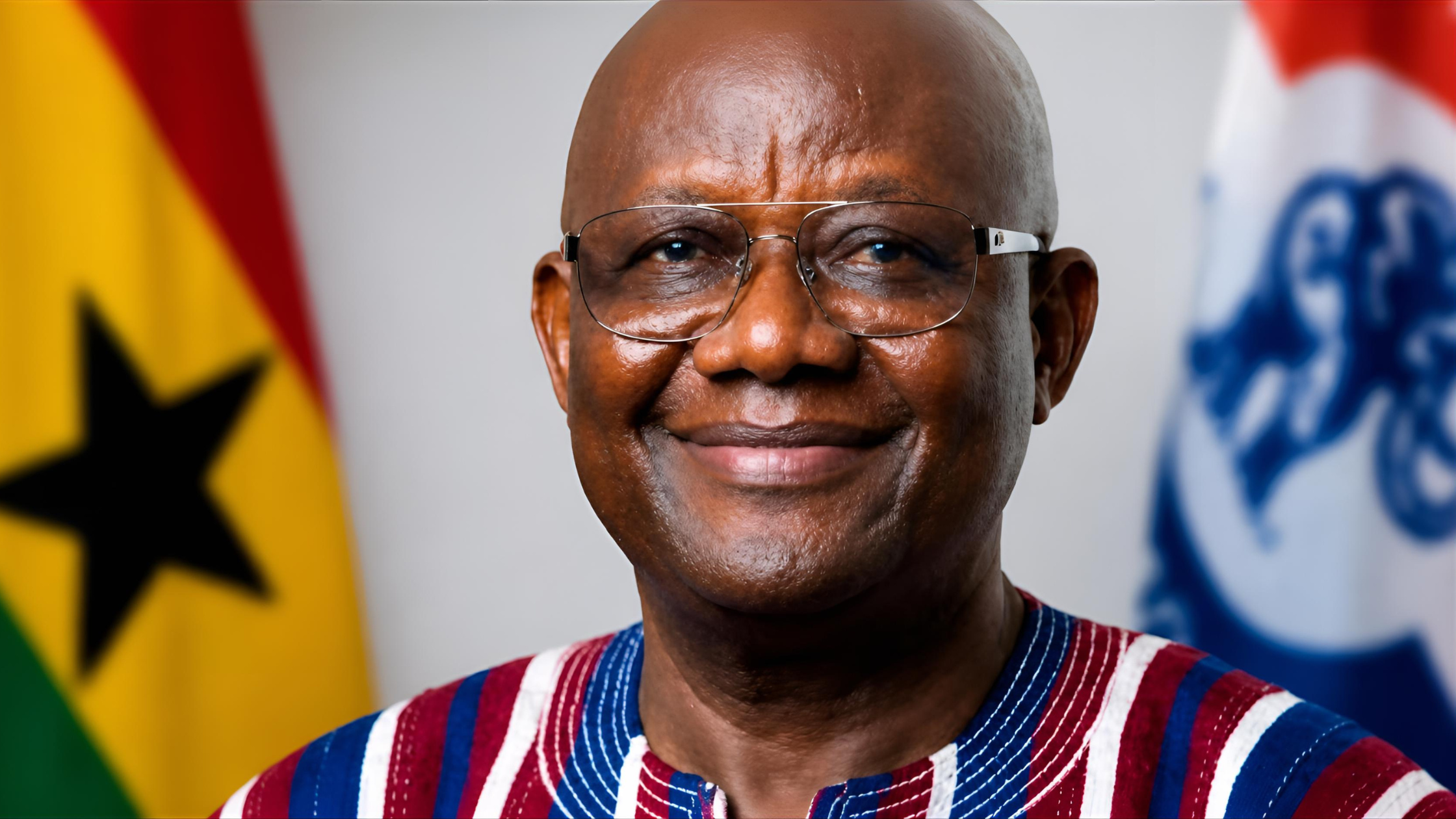
Former National Chairman of the New Patriotic Party (NPP), Paul Afoko, has called on the party’s rank and file to bury their differences, rebuild trust and unite behind a common mission to return the party to power in the 2028 general election.
Mr Afoko, who is seeking to return to the party’s national chairmanship, said the NPP’s path back to power must begin with reconciliation and a deliberate effort to repair its grassroots structures.
“If we don’t unite, there’s no power. Power wants unity. Power doesn’t like division,” he stressed.
He made the call during a meeting with constituency executives and party delegates in Tamale as part of his campaign tour of the Northern Region.
Mr Afoko said he had personally chosen to move beyond the circumstances surrounding his removal as NPP National Chairman in 2015, urging other members of the party to similarly put past grievances behind them.
“In the name of God, everything that has happened to me, forget it. We must unite,” he said.
‘Power has no place for emotions’
Mr Afoko said the NPP must now “recalibrate and come back together”, arguing that internal divisions had weakened the party’s electoral fortunes.
He attributed the party’s poor performance in the 2024 general election partly to internal disunity and the disqualification of some parliamentary aspirants during previous internal elections.
According to him, some aggrieved aspirants subsequently contested as independent candidates or withheld their full support from the party, contributing to the loss of parliamentary seats.
“The people are the source of political power. They decide who should represent them, so you cannot impose a candidate on them,” he said.
For Mr Afoko, the lesson from the party’s recent electoral setbacks is clear: the NPP must learn to manage internal competition without destroying the unity needed to win national elections.
The ‘Three Rs’ to bring NPP back
Mr Afoko has built his campaign around a three-point strategy he calls the “Three Rs” meaning Reunite, Rebuild and Recapture.
The first, he explained, is to reunite the various factions and interests within the NPP. The second is to rebuild and strengthen the party’s grassroots structures, while the ultimate objective is to recapture political power in 2028.
He said his campaign had already involved consultations with the party’s 2028 presidential candidate, Dr Mahamudu Bawumia, former Presidents Nana Addo Dankwa Akufo-Addo and John Agyekum Kufuor, as well as Kennedy Agyapong, Bryan Acheampong, members of the National Executive Committee, the Council of Elders and regional executives.
He said the consultations formed part of efforts to promote reconciliation and create a broader platform for rebuilding the party.
Northern decline raises alarm
Mr Afoko expressed particular concern about the NPP’s declining electoral fortunes across the five northern regions, describing the trend as a warning that the party can no longer take its traditional support bases for granted.
He noted that the party had lost all its parliamentary seats in the Upper East and Upper West regions, while its representation in the Savannah Region had fallen to one seat.
In the North East Region, he said the party’s parliamentary seats had dropped from four to three, while representation in the Northern Region had declined from nine seats to six.
He singled out the loss of the Yendi parliamentary seat, previously regarded as one of the NPP’s strongest constituencies in the Northern Region, as an example of what internal divisions could cost the party.
The figures, he argued, make the case for urgent organisational reform and a renewed focus on the grassroots.
‘The grassroots must speak to Accra’
Mr Afoko said that if elected National Chairman, he would prioritise strengthening polling station executives, electoral area coordinators, constituency executives and regional officers.
He argued that the party’s grassroots structures were the foundation of its electoral strength and therefore needed the resources, authority and support to function effectively.
“We must strengthen polling stations, electoral areas, constituencies and we must give regional executives the tools to work,” he said.
He also called for a change in the way information and decision-making flow through the party.
“We must ensure that the party’s communication is not only from Accra to the regions but from the grassroots up to the national leadership,” he added.
Mr Afoko has pledged to combine reconciliation with firm organisational discipline, describing the national chairman as a team player, field commander, reconciler, organiser, fundraiser, disciplinarian, listener and servant of the party.
“As national chairman, I will be a team player but at the same time, I will be a field commander, a reconciler, an organiser, a fundraiser, a disciplinarian, a listener and a servant of the party,” he said.
A battle for more than the chairmanship?
Mr Afoko’s campaign message goes beyond his bid for the national chairmanship. It presents the contest as a test of whether the NPP can confront the internal fractures that have affected its organisation and electoral performance.
With the 2028 election already shaping political calculations, his appeal for unity places reconciliation at the centre of the NPP’s search for a comeback.
For a party that governed Ghana from 2017 to 2024, the challenge is not simply winning another election, but rebuilding the trust of its members, reconnecting with voters and restoring confidence in its internal processes.
Mr Afoko believes the formula is straightforward: reunite the party, rebuild its structures and recapture power. But whether the NPP can translate that message into genuine reconciliation; particularly among competing factions and interests; may determine how seriously its 2028 comeback bid is taken.