
 By Mudasiru Techi Dari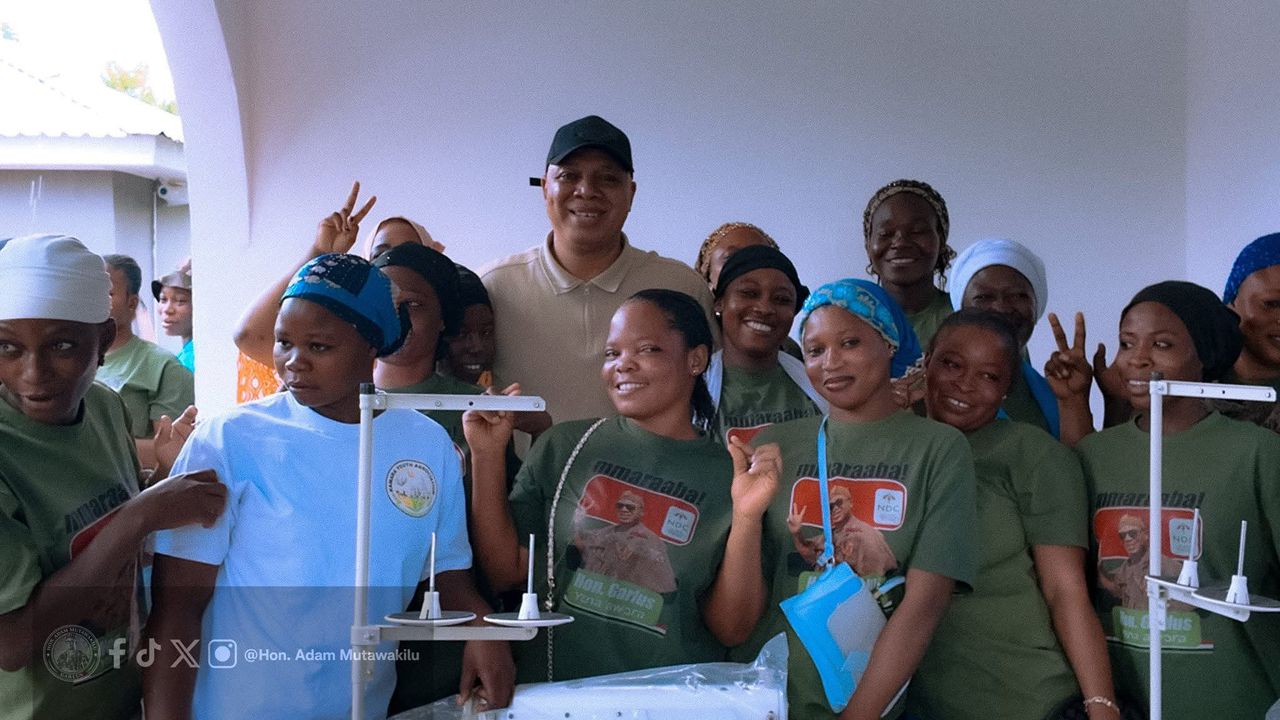
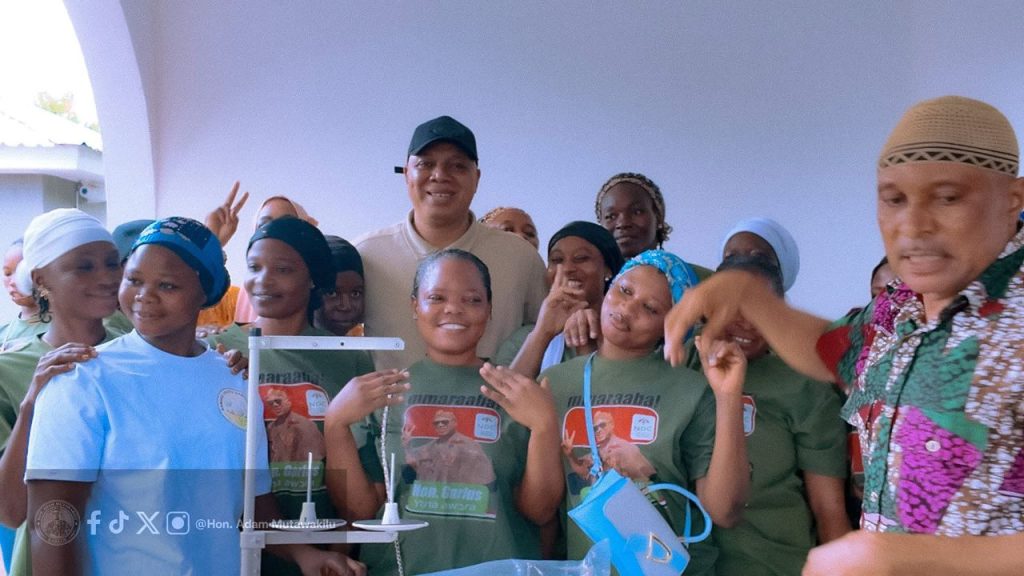
Fifteen tailors and seamstresses in the Damongo Constituency have received a major boost to their livelihoods following the donation of industrial sewing machines by the Managing Director of Ghana Water Limited (GWL), Hon. Adam Mutawakilu Garlus.
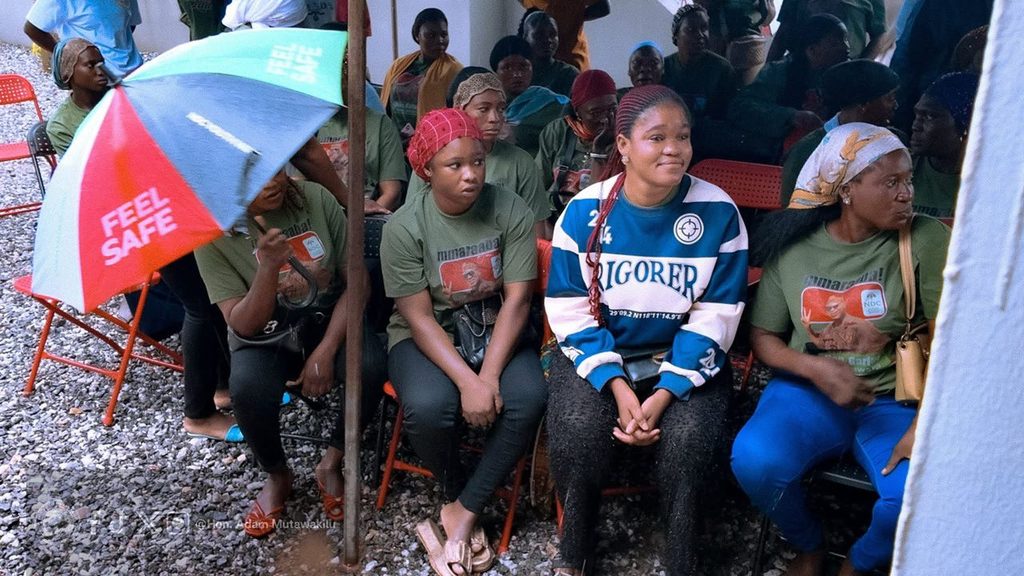
The intervention, targeted at members of the Lordina Ladies, an NDC women’s group in the constituency, is designed to provide beneficiaries with productive assets that can strengthen their businesses, increase household incomes and create opportunities for employment.
The machines were presented at Hon. Mutawakilu’s residence in Damongo as the first phase of a broader empowerment programme aimed at supporting artisans and women engaged in small-scale economic activities.
Rather than providing one-off relief, the intervention places productive equipment directly in the hands of beneficiaries, potentially enabling them to earn income from their skills and build more sustainable livelihoods.
From political support to productive assets
Speaking during the presentation, Hon. Mutawakilu traced his relationship with the Lordina Ladies to 2010, when he served as District Chief Executive of the then West Gonja District.
He commended the women for their continued support for him and the National Democratic Congress (NDC), particularly during periods when the party and its candidates faced electoral setbacks.
According to him, their support continued after the NDC’s defeat in the 2016 general elections and following his own defeat in the 2020 parliamentary election.
“Your loyalty was demonstrated not only when things were going well, but also when we faced difficult moments. I have not forgotten that support,” he said.
Hon. Mutawakilu said his subsequent appointment by President John Dramani Mahama as Managing Director of Ghana Water Limited was an opportunity to continue serving the people and contributing to their welfare.
However, the significance of the latest intervention extends beyond its political context.
For beneficiaries who already possess tailoring and dressmaking skills, access to industrial machines can improve production capacity, reduce dependence on slower equipment and potentially enable them to take on larger orders.
Second phase to reach more artisans
The 15 machines constitute only the first phase of the programme.
Hon. Mutawakilu announced plans to provide a second consignment to other members of the group, widening the number of women who can benefit from the intervention.
He also pledged support for other categories of artisans, including hairdressers, weavers and dressmakers, while women operating small-scale businesses are expected to receive financial assistance to establish or expand their enterprises.
The broader objective, he explained, is not simply to distribute items but to create sustainable economic opportunities.
Such an approach is particularly relevant in communities where access to start-up capital and productive equipment remains a major constraint for young people and women seeking to establish businesses.
Beyond sewing machines
The empowerment programme also forms part of a wider pattern of support associated with Hon. Mutawakilu’s constituency engagements.
He disclosed that some members of the group had previously benefited from assistance in securing employment opportunities in institutions including Ghana Water Limited, the Ghana Education Service and the security services.
The latest intervention therefore combines access to productive assets, business capital and employment opportunities; three areas that can significantly influence the ability of individuals and households to improve their economic circumstances.
For the beneficiaries, the expectation is that the machines will not remain simply as donated equipment but will become tools for generating income, expanding businesses and, potentially, creating work for others.
Beneficiaries promise productive use
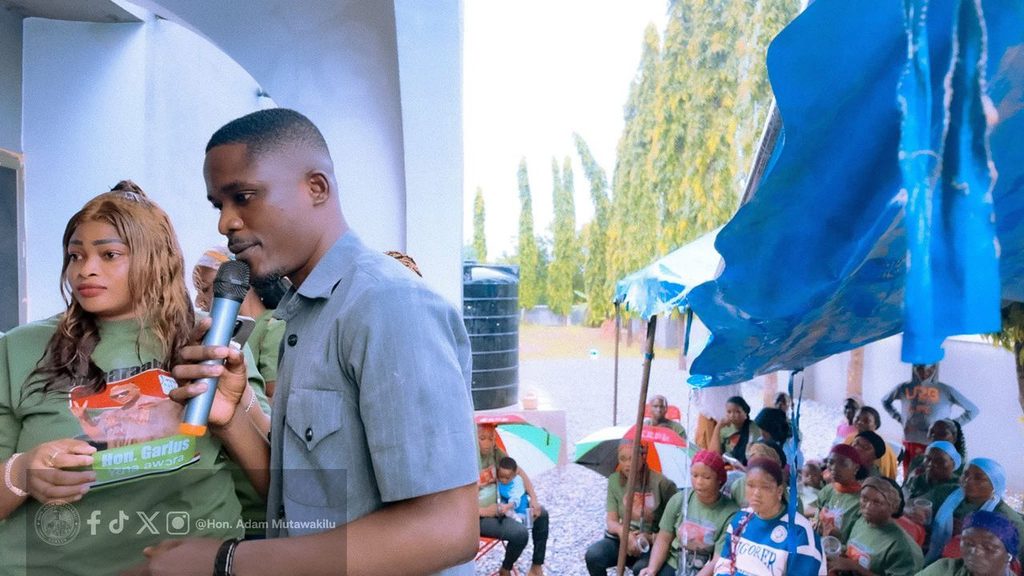
The beneficiaries expressed appreciation for the intervention and pledged to put the machines to productive use.
Their response underscores a broader development principle: sustainable empowerment is more effective when beneficiaries receive the tools and opportunities required to build their own sources of income.
A message of appreciation following the presentation described the intervention as a practical demonstration of leadership that goes beyond words, arguing that equipment and financial support can translate into self-reliance, income generation, skills development and improved livelihoods.
Another message invoked the familiar proverb: “Give a man a fish, you feed him for a day. Teach a man to fish, you feed him for a lifetime.”
That sentiment captures the central development argument behind the initiative; moving people from dependency towards productive capacity.
A livelihood intervention with wider implications
For Damongo Constituency, the potential impact of such interventions lies not merely in the number of machines distributed but in what beneficiaries are able to build with them.
A tailor equipped with an industrial machine can increase production. A growing dressmaking business can employ apprentices. An expanding small enterprise can create income for a household and contribute to local economic activity.
If sustained, properly monitored and extended to more beneficiaries, such interventions could therefore contribute to a broader ecosystem of women-led micro and small enterprises within the constituency.
Hon. Mutawakilu has consequently reaffirmed his commitment to extending support to deserving groups and individuals, particularly artisans and women seeking opportunities to improve their economic circumstances.
The challenge now is to ensure that the machines reach full productive capacity, beneficiaries receive any necessary business and technical support, and subsequent phases expand opportunities beyond the initial group.
For the women who received the machines, however, the immediate message is clear: the equipment represents more than a donation; it is a productive asset and an opportunity to turn skills into sustainable income. For Damongo’s artisans, the real measure of the intervention will ultimately be found not in the number of machines presented, but in the businesses built, incomes generated, jobs created and families whose livelihoods improve because of them.
 Yahaya pelpou Hisham
  Ishmael Junourgh