
 By Ishmael Junourgh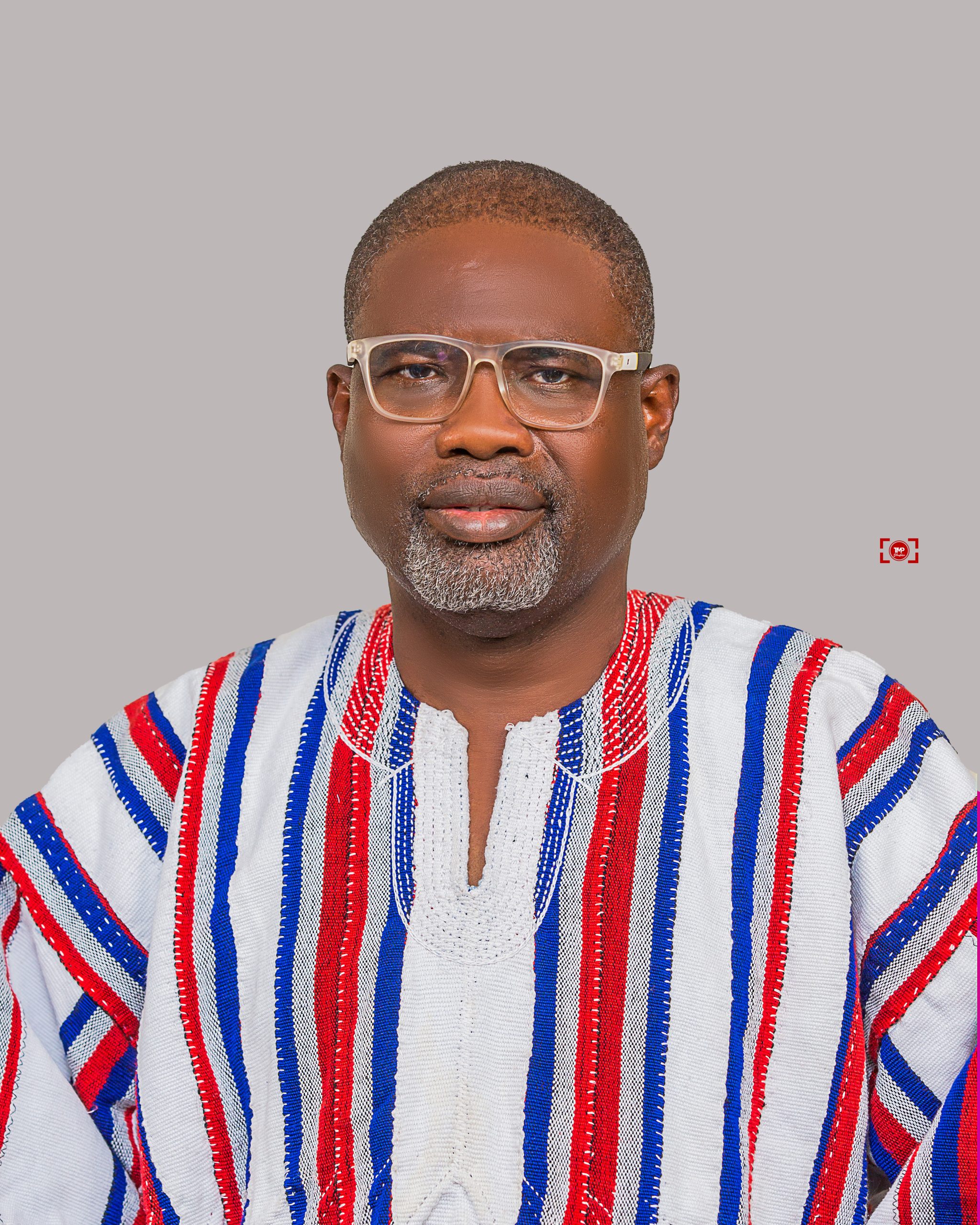
With four days to the NPP Savannah Regional executive elections, the former Regional Secretary says the party needs a chairman who will treat the office as a platform for rebuilding and winning power, not a political retirement home.
With barely four days to the New Patriotic Party’s (NPP) Savannah Regional executive elections, the contest for the chairmanship is increasingly being framed around a question that could shape the party’s fortunes beyond the ballot: what kind of leadership does the NPP need to rebuild, unite and return to power?
For one of the leading contenders, the answer is clear: the next regional chairman must be ambitious, experienced, inclusive and, above all, unwilling to regard the chairmanship as the end of his political journey.
The former NPP Regional Secretary and current National Council member says the chairmanship should be viewed as another stage of service rather than the culmination of a political career.
“I don’t think I need the chairmanship to propel me to the next level,” he said, pointing to his years of experience within the party and his current role as Co-Chair of the Water and Sanitation Sub-Committee of the party’s sector committee.
For him, therefore, the contest is not about acquiring a position to validate his political credentials. It is about putting his experience at the disposal of a party he believes requires a stronger organisational foundation ahead of its next electoral battle.
‘We cannot afford a chairman who has peaked’
The candidate’s strongest argument is centred on political ambition.
He warns that a regional chairman who regards the office as the highest point of his political career could become comfortable — and that such comfort could ultimately cost the party electoral momentum.
“If you hand over a party to somebody who will be more than satisfied with that position, it means that he has reached, he has peaked. There is no ambition. So, you can stagnate,” he cautioned.
His concern comes at a critical moment for the NPP, which faces the task of rebuilding its structures, restoring confidence among its supporters and positioning itself for a stronger electoral performance.
He argues that Savannah cannot afford leadership that simply manages the party from one internal election to another.
“We want somebody who will come and still hope that when the party wins, he moves to the next level,” he said.
The logic is straightforward: a chairman with a stake in the party’s electoral success will have a personal and political incentive to work relentlessly towards victory.
“But not somebody who will just appreciate that I have picked this is the only position I can get and I’ve gotten it. I can go to sleep till the next four years,” he added.
A record built before the current contest
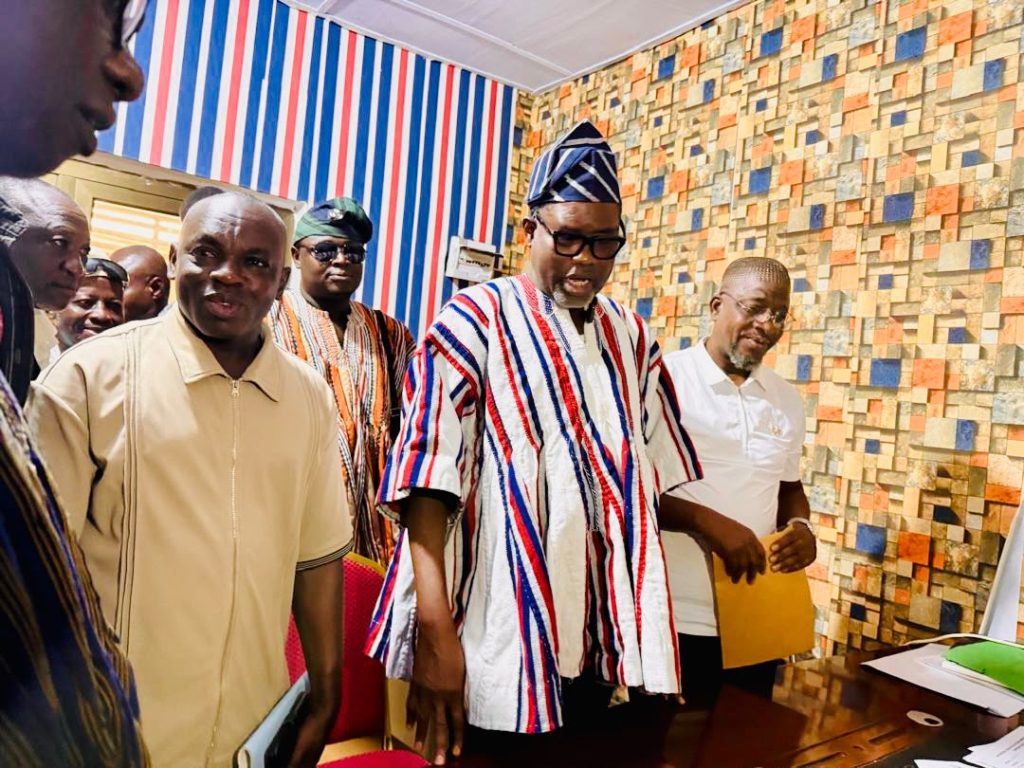
Unlike candidates seeking to establish themselves through the chairmanship, he enters the contest with a long history inside the NPP.
He says he served as Regional Secretary for 12 years, giving him an intimate understanding of the party’s structures, internal dynamics and electoral challenges.
He also points to his record during a difficult period in the northern political landscape, particularly during the instability in Dagbon.
According to him, under his stewardship, the NPP increased its parliamentary seats from three to 10 before he left the regional secretariat.
“We were able to move our seats from three to 10 before I left. Significant,” he said.
For him, the record demonstrates that political organisation can produce results even under difficult circumstances.
But perhaps more importantly, it provides the basis for his argument that rebuilding the NPP in Savannah will require someone who understands both the formal structures of the party and the human relationships that hold those structures together.
‘Unity must be paid for before the election’
If there is one issue that dominates his leadership philosophy, it is unity.
And he rejects the idea that unity can simply be proclaimed after an internal election.
“Creating unity comes at a cost,” he said.
“Before you can have unity after election, you should pay for it during the process.”
That principle, he says, shaped how he approached the recent constituency-level contests.
Rather than investing selectively in candidates he believed were likely to win, he says he deliberately treated contestants equally.
“When the constituencies were filing, I filed for everybody. Everybody, I paid for everybody who was filing except those that we didn’t notice,” he said.
He says the same principle guided his support during the elections.
“When they were going for their election, we supported everybody, we didn’t select.”
It was an approach that came at a financial cost, he acknowledges.
“If I was supposed to be selective, probably I would have spent less than spending on everybody.”
But the expenditure, in his view, was not simply campaign spending. It was an investment in the party’s post-election unity.
The mathematics of reconciliation
His argument is that internal elections inevitably produce winners and losers, but the damage occurs when defeated candidates feel abandoned or deliberately sidelined.
A chairman who treats every contestant fairly from the beginning, he believes, will have greater credibility when the time comes to bring the party together.
“When those who lose, you go to talk to them, they know you didn’t neglect them,” he explained.
That, he argues, makes reconciliation easier because defeated candidates know that the chairman did not favour one side during the contest.
“Tomorrow if something happens, it’s very easy for you to call them and then speak to them.”
In an NPP facing the difficult task of rebuilding after electoral setbacks, that philosophy could prove particularly consequential.
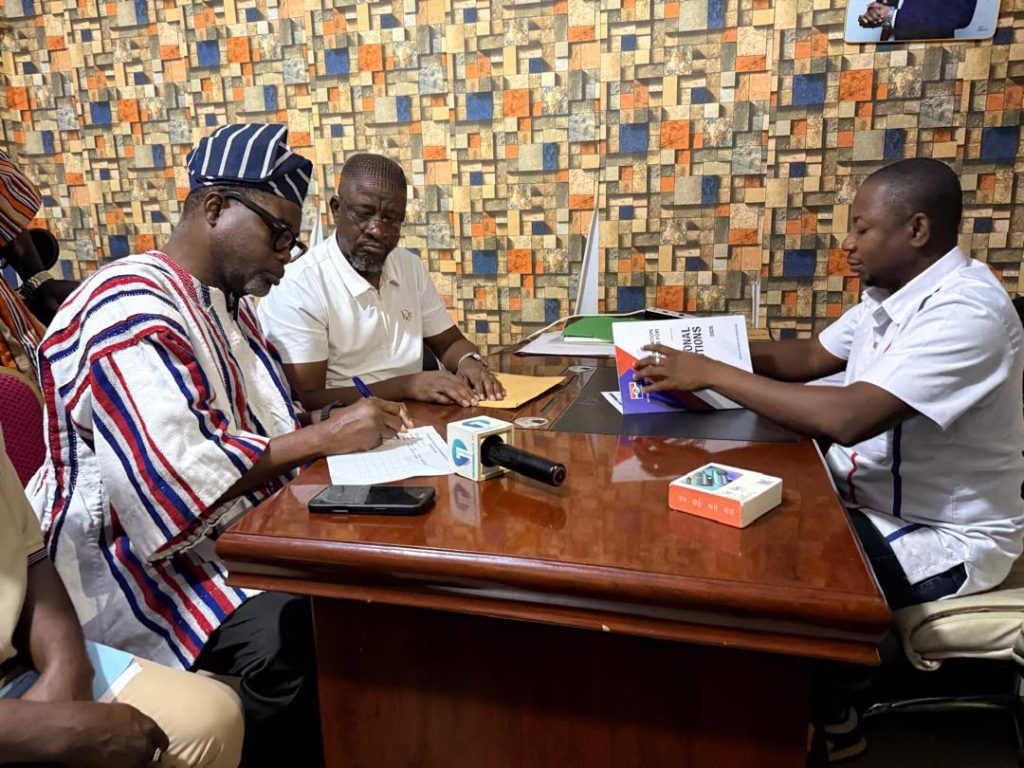
A chairman who ‘brings people’
His leadership pitch also rests heavily on temperament.
He says a regional chairman must be able to project confidence while remaining accessible and fair.
“You need to radiate confidence to the people,” he said.
But confidence, in his view, must never become arrogance or partiality.
“Once they see that you are not a biased person, when you’re speaking to them, they will understand you.”
He describes his own political instinct as one of inclusion.
“Whoever knows me knows that I don’t divide people. I’d rather bring people.”
It is a distinction that could matter considerably in the aftermath of Saturday’s election, when the successful candidate will inherit not merely a position but a party containing competing ambitions, loyalties and grievances.
The philosophy behind the calm
His conciliatory approach, he says, is deliberate.
He acknowledges that some people even complain that he does not get angry easily: to the point where they may not know when they have offended him.
But he sees that temperament as part of his broader philosophy of leadership.
“Everybody has a good side and a bad side,” he said.
Rather than allowing disagreements to permanently define relationships, he believes leaders should identify and encourage the positive qualities in people.
“At any given time, let’s focus on the good side of everybody and leave the bad side, and with that we should be able to unite.”
Four days to decide
With only four days separating the candidates from the decisive vote, the chairmanship contest has moved beyond personalities and campaign rhetoric.
It is increasingly becoming a referendum on the kind of organisation the NPP wants to build in Savannah.
For the former Regional Secretary, his pitch is built on three pillars: experience to understand the party, inclusiveness to unite it, and ambition to keep it moving.
His warning is equally direct: a chairman who sees the office as the peak of his political career risks presiding over stagnation.
His alternative is a chairman who regards the position as a temporary responsibility: one that must be used to rebuild the party, reconcile its factions, strengthen its structures and pursue the larger prize of electoral victory. With the NPP Savannah Regional elections now only days away, delegates will ultimately decide whether that experience-and-unity proposition is the leadership formula they believe can carry the party into its next political chapter.