
 By Zakaria Rafique Seinu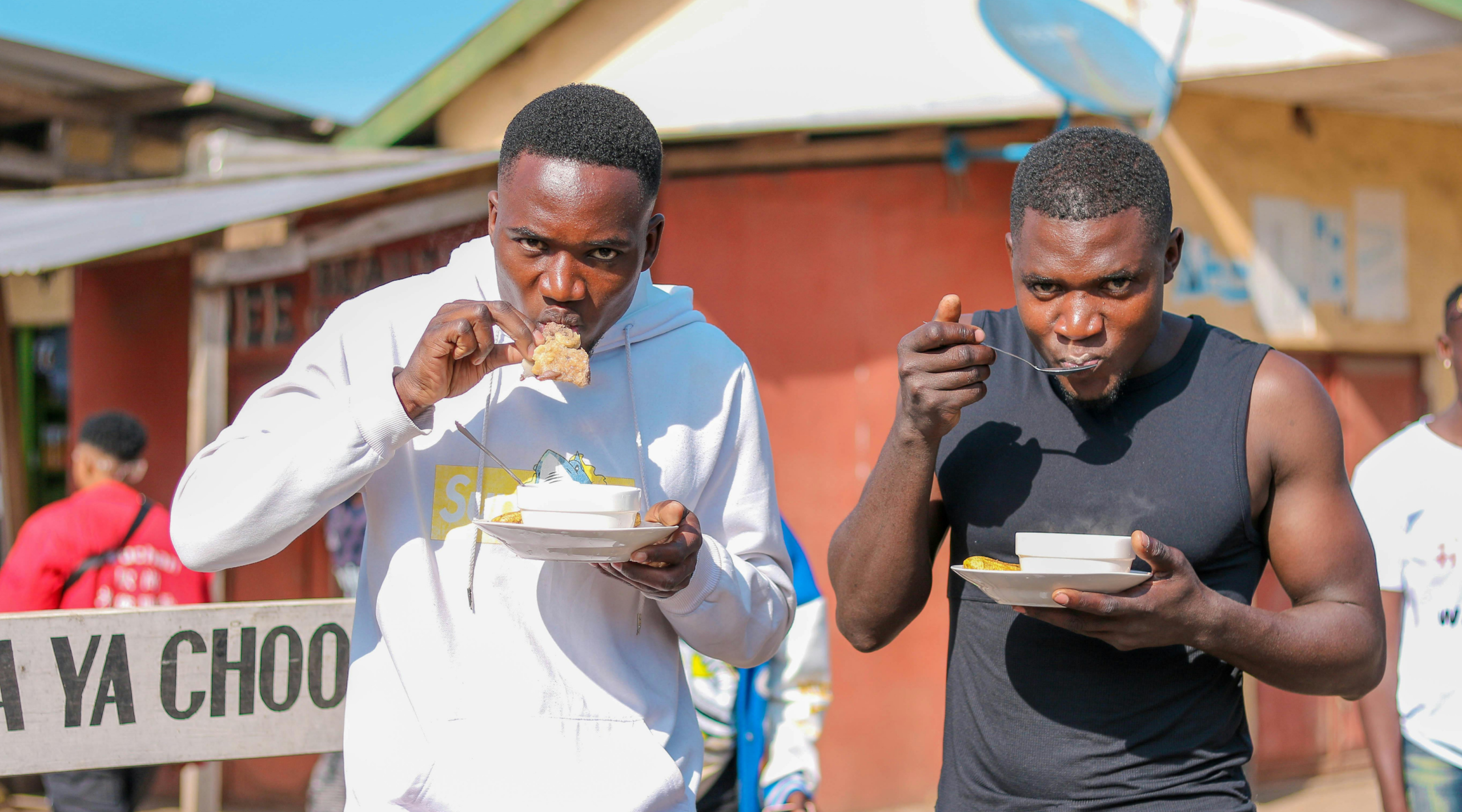
WA — In Wa, you do not need a restaurant directory to find a good meal. You need memory. You need to know which wall in the market has smoke coming from behind it at 6am. You need to know which junction aunties set up by evening.
Food here is geography. It is community. It is Waala life served on a plate, in a calabash, or wrapped in paper.
A local food list making rounds recently captured it perfectly: 22 spots, 22 stories. From koosey behind SDA to konkonte at Jubilee Park, the list is less about dining and more about belonging.
Here is what those meals say about Wa.
MORNINGS START IN THE MARKET
The day begins with fire and beans.
Koosey with janjaga, Wa Market behind SDA Basic School. Koosey is bean cake, fried crisp in black pots. It is served with janjaga: vegetables mashed and spiced with pepper and salt to go. Green, rough, and hot, janjaga is not a side dish. It is the wake-up call.
Nearby, Kookoo at Kpaguri near Alhajj Aziz house and Anwaamu at Wapaani near WACCU do the same job for different people. Kookoo for school children and traders. Anwaamu, known locally as baby rice, made Waala. It is for cold Harmattan mornings, for the sick, and for anyone who wants something gentle to start the day.
Even Indomie at Wapaani has been Waala-fied with egg and pepper, eaten like it were TZ.
THE BUSH CANTEEN: WHERE WORK MEETS FOOD
If you ask any driver, hunter, or night worker where to eat, they will point you to the “Bush canteen near Homeland Clinic.”
The name has nothing to do with the bush. It means food without pretense.
Fufu with game speaks to Wa’s history with the savanna, when smoked and dried meat carried families through lean seasons.
Tumpaani and Bambara Beans TZ show a different Waala skill: turning drought-resistant crops into strength. Corn, millet, and bambara beans become a swallow that can carry a farmer through the field.
This is food as fuel, served fast and eaten with conversation.
TZ: THE CENTER OF THE TABLE
Tuozaafi behind Melcom might be the closest thing Wa has to a signature dish.
TZ is not complicated. It is flour and water. But in Waala homes, TZ is the reason people gather. You dip, you chew, you talk. Students, okada riders, and traders all meet behind Melcom because the sauce may change, but the TZ does not. That consistency is Waala.
EVENING: FIRE, MUSIC, AND MEAT
As the sun drops, Wa moves outside.
Chogulanper3ng near Upland Hotel and Wapaani Alhajj Kpaanhouse is for the elders under trees, solving town matters over spicy smoked meat.
Chinchinga at Abokyi, off Kambali Road belongs to the youth. Twenty cedis worth, shared among friends, with arguments about football on the side.
Fried yam around Wa Zongo brings everyone together across faith and age.
And then there is Konkonte at Jubilee Park. For years, aunties at the park have cooked and served heavy, smooth konkonte with light soup or groundnut soup. It is dry-season food that became comfort food. Plastic chairs, evening breeze, and gist until late. It is how Wa ends the day.
RICE AND THE WOMEN WHO FEED A CITY
Waala women run the city’s kitchens, and their joints are institutions.
Jollof and Ice Kenkey at Jakibra are for celebrations. If there is jollof, someone is being named, married, or remembered.
Plain rice at Two Sisters lets the soup do the talking.
Waakye at Rocktop off Kpongu Road is the student’s midnight fix.
Kenkey at Hilda Kenkey Joint, Wa Chakor is legacy. One woman, feeding generations.
THE QUIET CORNERS
Some foods you only find if someone tells you.
Banku at Abuyama Chop Bar. Heavy, honest.
Kpacharima at Wonuo Junction. For early travelers.
Gobe near W FM. For radio staff and listeners who come to debate on air.
Groundnut soup with beans and rice balls at African Pot. Comfort when it rains.
Bambara beans at Harbour and Wa Municipal Hospital. Mercy food for visitors who have spent the day with patients.
CONTINENTAL MEETS LOCAL
Wa is also growing new tables.
Spicy Foodies Restaurant is a trade name for continental and local dishes in Wa. It sits on the map alongside the chop bars and park aunties, offering both jollof and grilled chicken, fried rice and TZ. For many young professionals and visitors, it is where “town food” and “home food” meet.
FOOD, MUSIC, AND THE WAALA SPIRIT
In Wa, food is never eaten in silence. The power of Waala local music turns every meal into celebration. The beat of the gangan, xalam, and talking drums follows the aroma of TZ and chinchinga. At naming ceremonies, funerals, and night spots, the pot and the drum speak the same language.
Our food feeds the body, and our music feeds the soul. Together they entertain us, bring strangers to one table, and remind us who we are. In Wa, you do not just taste the culture. You hear it, you dance it, and you eat it.
WHAT THE POT TELLS US
This list is more than cravings. It is a portrait of Waala culture.
First, we eat where we live. Behind schools, at clinics, in parks, at junctions. Food is not separated from daily life.
Second, we share. One pot feeds a chief and a student. The portion does not change with status.
Third, we respect resilience. Bambara, TZ, Tumpaani, Konkonte, and janjaga all come from crops and gardens that survive dry seasons. We take what the land gives and make it pride.
Fourth, Wa is a crossroads. Waala, Hausa, Mossi, and Gonja influences sit side by side. Baby rice next to Kookoo. Chinchinga next to Kenkey. Spicy Foodies next to the Bush canteen.
So Wa is catching up with the big cities in Ghana and the world at large. It is not surprising that the name “Wa” simply means “come.” So anytime you are in Wa, you are home away from home.
In Wa, you never really finish your food list. Someone will always say, “There is a woman at X junction who makes it better.” That is the point. The map keeps growing.
And for now, with konkonte pinned to Jubilee Park, janjaga defined, anwaamu recognized as baby rice, and Spicy Foodies on the list, this map feels complete.
The Dumba festival is around the corner. We invite all natives and revellers to Wa — come and have a taste of these meals. Come for the TZ, stay for the drums. From baby rice to konkonte, from gangan to xalam, let the pots and the music welcome you home.
Until the next pot is discovered.
 Ishmael Junourgh