
 By Johannes Jafo Akunatu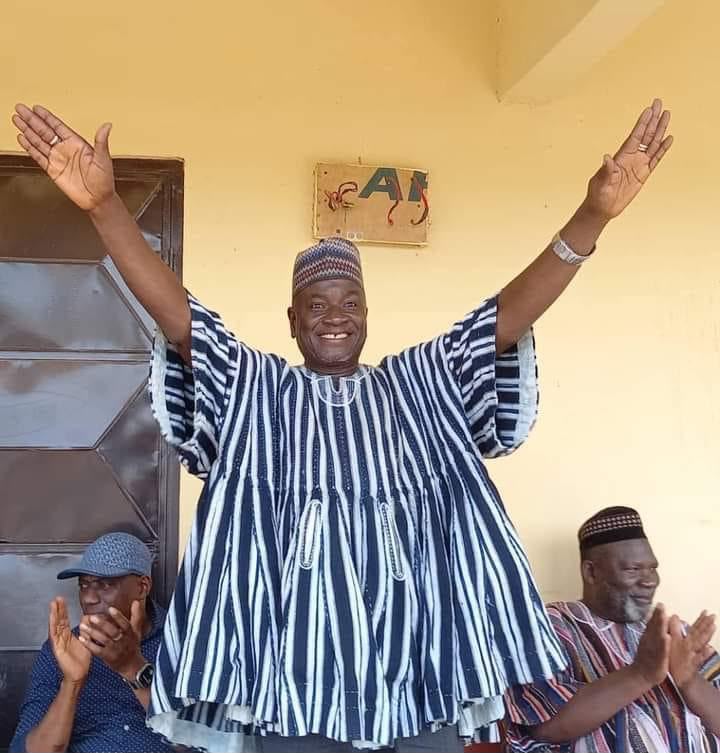
Savannah NPP Chairman Alhaji Iddrisu Sulemana (Professor Kalamonia) makes his case for a third term
On August 15, delegates of the New Patriotic Party (NPP) across the Savannah Region will gather to elect a regional executive tasked with rebuilding the party after its heaviest national defeat in a decade.
In December 2024, John Mahama and the National Democratic Congress (NDC) returned to power with more than 56 percent of the presidential vote, ending eight years of NPP government and handing the party its steepest electoral loss in the Fourth Republic. The defeat reverberated across the country, including in the Savannah Region, where the party lost two of the three parliamentary seats it had spent years working to secure.
A contest beyond party politics
Rebuilding from such a defeat rarely begins at a national convention. It starts with regional elections that receive little public attention but determine who strengthens grassroots structures, resolves internal disputes, mobilises resources and prepares the party for future elections.
The office of Regional Chairman is therefore more than ceremonial. In the Savannah Region, carved out of the old Northern Region in 2019, the position carries even greater responsibility as the region continues to shape its political identity.
For the past eight years, that office has been occupied by Alhaji Iddrisu Sulemana, popularly known as Professor Kalamonia. He is seeking a third term on a platform built around four pillars: Unity of Purpose, Efficient Service, Empowerment and Victory.
His challenger is Dr. Clifford Braimah, an engineer and former Managing Director of Ghana Water Limited, who has also served in the party’s organisational structure.
Delegates are therefore presented with a choice between continuity under an incumbent and a fresh leadership approach proposed by his challenger.
Making the case for continuity
In an interview ahead of the election, Professor Kalamonia spoke calmly and deliberately, outlining both his record and his vision for the party.
He described the role of Regional Chairman as one that demands constant engagement with constituency executives, polling station structures and party members across the region.
“A Regional Chairman must ensure the structures remain functional long before election campaigns begin,” he explained.
According to him, effective organisation at the grassroots level often determines electoral outcomes long before presidential candidates take the campaign stage.
Building from difficult beginnings
Before the creation of the Savannah Region, the NPP struggled to convert presidential votes into parliamentary victories.
In the constituencies that now make up the region, the party failed to win any parliamentary seat in 2012 despite polling more than 54,000 presidential votes. By 2016, Salaga South remained its only parliamentary seat.
Professor Kalamonia became the first elected Regional Chairman after the creation of the region and led the party into the 2020 general election.
Under his leadership, the NPP won three parliamentary seats—Damongo, Daboya-Mankarigu and Salaga North—breaking what had been long-standing NDC dominance.
“That result did not happen by accident,” he said.
“It happened because we built structures that worked at the polling station level, and we stayed close to our people between elections, not only during campaigns.“
Lessons from 2024
The gains of 2020 were partly reversed in 2024 when the NPP lost two of those three parliamentary seats as part of the nationwide electoral defeat.
Professor Kalamonia acknowledged the setback without attempting to dismiss it.
“The downfall of a man is not the end of his life,” he said.
“We assess what went wrong, and we correct it. That is what this campaign is about.“
Vision for 2028
Professor Kalamonia says his campaign is centred on one objective.
“My vision is anchored on one message, One NPP, Total Victory in 2028,” he said.
“That rests on four pillars: unity of purpose, efficient service, empowerment and victory.“
He believes rebuilding the party requires more than enthusiasm.
According to him, modern campaigns must be driven by reliable data that identifies strengths and weaknesses at constituency and polling station levels.
He also argues that constituency executives should be adequately resourced to perform effectively.
“You cannot ask a polling station officer to deliver results without giving that officer the tools to work with,” he said.
His electoral targets include retaining Damongo, reclaiming Daboya-Mankarigu and Salaga North, and increasing the party’s presidential vote in the region.
Unity as the foundation
Throughout the interview, unity remained the dominant theme.
“A house divided cannot stand,” Professor Kalamonia said.
He believes internal elections should end political divisions rather than deepen them.
“Once an internal election ends, there should be no winners and losers. There should only be members working for one objective.“
He added that his administration has maintained an open-door policy that embraces youth, women, elders and members regardless of whom they previously supported.
Leadership through visibility
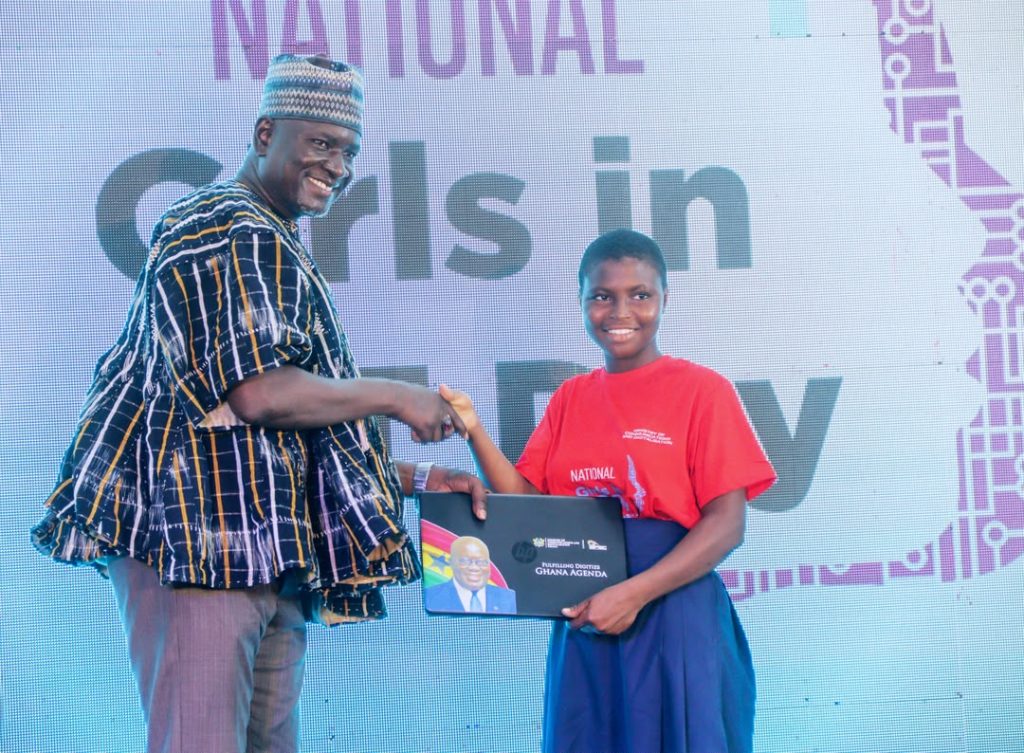
Rather than comparing himself directly with his opponent, Professor Kalamonia argues that leadership is measured by presence and consistency.
“Leadership begins with presence,” he said.
“I attend community programmes. I visit polling stations. I join constituency events. I stand with our members during their difficult moments.“
He cited the vocational training centre he established in Daboya as one example of his commitment to youth empowerment.
According to him, the facility was funded from his personal resources rather than party funds.
He also says he has assisted party members to secure employment whenever opportunities have become available.
Strengthening the grassroots
Professor Kalamonia believes the future success of the party depends on sustained investment in grassroots structures.
“Our polling station executives are the engine of this party,” he said.
He pledged greater support for polling station executives, electoral area coordinators, constituency executives, communicators, as well as the Women, Youth and Nasara wings.
Training, he said, is equally important because effective campaigning now requires communication and voter engagement skills.
Accountability to delegates
Asked how delegates should assess his performance if re-elected, Professor Kalamonia outlined specific expectations.
“My commitment is simple,” he said.
“Delegates should expect accessible leadership around the clock, a responsive regional executive, real welfare support for our officers and visible progress toward 2028.“
“If I fail to deliver on those commitments, delegates have every right to hold me accountable.“
The challenger
Professor Kalamonia’s bid is being challenged by Dr. Clifford Braimah, whose campaign centres on unity and organisational renewal.
Dr. Braimah previously served as Northern Regional Secretary of the NPP before becoming Managing Director of Ghana Water Limited.
An engineer by profession, he graduated from the Kwame Nkrumah University of Science and Technology before earning a doctorate in Water Supply Management from Cranfield University in the United Kingdom.
He also served as a lecturer and later Dean of the Faculty of Engineering at what is now Tamale Technical University.
His campaign presents delegates with an alternative vision built around organisational efficiency, unity and renewed momentum.
High stakes for Savannah Region
Although regional chairmanship elections rarely receive national attention, the outcome in Savannah Region could influence the NPP’s broader rebuilding efforts after its 2024 defeat.
Regional executives oversee membership mobilisation, fundraising, communication structures and polling station organisation—elements widely regarded as essential to future electoral success.
The region’s electoral history illustrates the challenge.
The NPP won no parliamentary seat in 2012, secured only one in 2016, increased its tally to three in 2020 before falling back to one in 2024.
Whoever emerges victorious in Damongo will therefore inherit responsibility for reversing that decline ahead of the 2028 general election.
Delegates decide
Professor Kalamonia believes his experience offers the strongest foundation for recovery.
“We know this terrain. We know our people, our strengths and where we still need to improve,” he said.
“The work ahead needs stability, unity and commitment, not a fresh start from zero.“
Supporters of Dr. Braimah argue, however, that the 2024 losses occurred under the current leadership and that new ideas may better position the party for the future.
Ultimately, delegates will decide which path they believe offers the greatest chance of returning the NPP to electoral success.
As Professor Kalamonia concluded:
“Leadership is not about occupying an office. It is about serving people, standing with them in hard times, listening when they speak and working every day to strengthen the party. That is my commitment. My work is not finished.“
 Ishmael Junourgh