
 By Ishmael Junourgh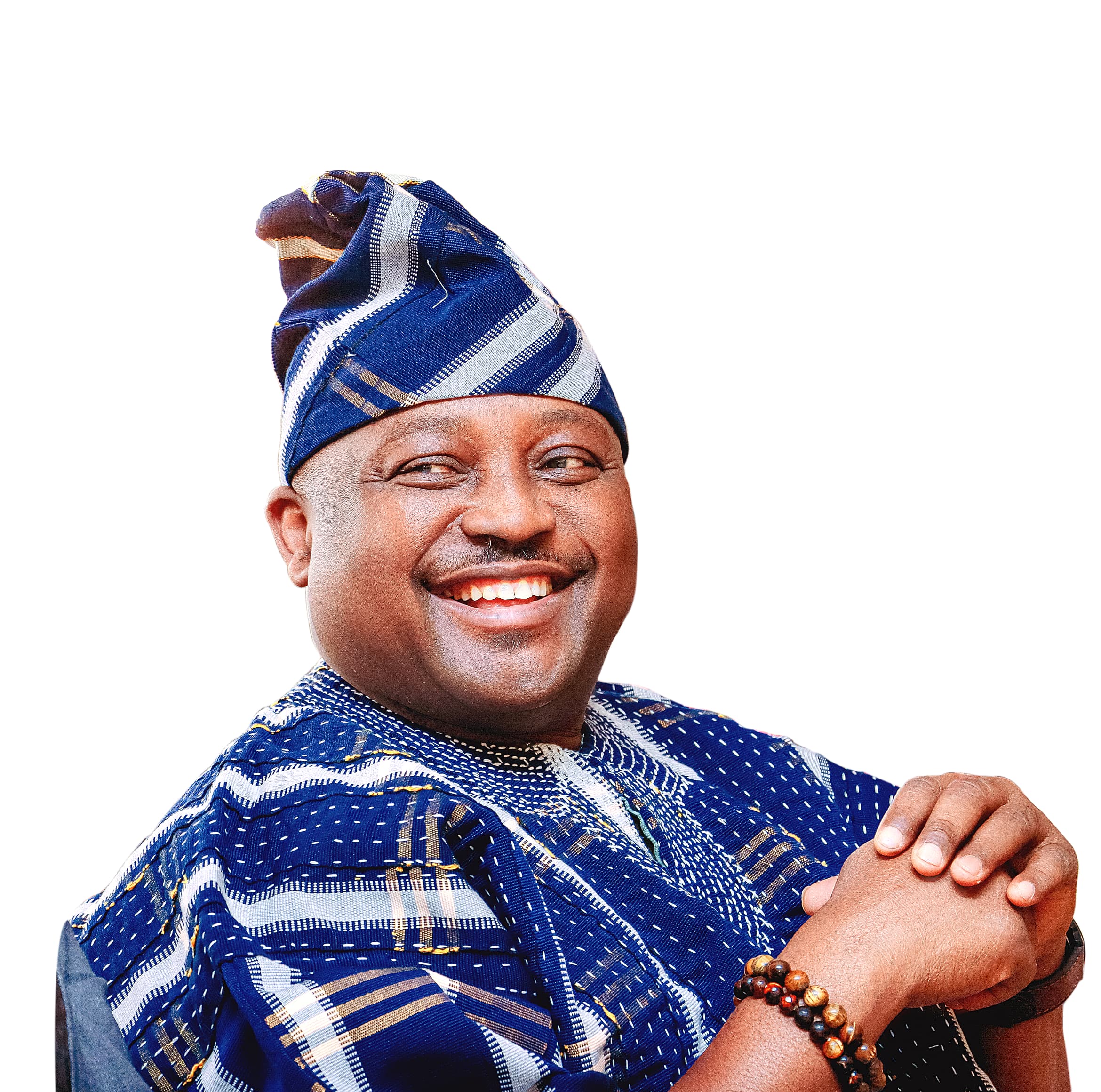
From crime reduction and youth employment to traditional leadership engagement and public sector reforms, Charles Lwanga outlines a governance model built on listening, accountability and community trust.
Every Tuesday and Thursday, the office of the Upper West Regional Minister transforms into something more than a government office. Students. Farmers. Traders. Traditional leaders. Politicians. Ordinary residents. They all walk through the doors with one expectation; that someone in authority will listen.
For nearly one and a half years, Regional Minister Charles Lwanga says he has deliberately set aside those two days every week to meet anyone from the region, regardless of political affiliation or social status.
He believes that simple act of accessibility has become one of the most effective governance tools in restoring public confidence and easing tensions across the region.
“People don’t always come because they want favours,” he said. “Sometimes they simply want the opportunity to speak to someone in authority.“
According to him, creating space for dialogue has significantly reduced frustrations and strengthened trust between government and citizens.
Youth employment helping reduce crime
The Minister believes ongoing youth employment initiatives are beginning to produce measurable social benefits.
He pointed to programmes such as Youth in Agriculture, the Adwumawura Programme, and apprenticeship initiatives, saying they are providing livelihoods for many young people who might otherwise struggle to find opportunities.
“As more young people become economically engaged, crime has reduced considerably,” he said.
He specifically cited armed robbery as one area where significant improvements have been recorded, encouraging comparisons between crime statistics before and after his administration took office in 2025.
While acknowledging that law enforcement agencies hold the official figures, he maintained that the overall security picture has improved markedly.
Calm despite regional security threats
The Minister described the security situation in the Upper West Region as stable despite ongoing instability across parts of the Sahel.
He praised the work of the various security agencies, saying coordinated efforts have helped preserve peace throughout the region.
“We do not have any widespread insecurity running through the region,” he said.
Rewarding excellence in public service
In what he describes as a personal initiative, Mr. Lwanga is preparing to introduce an annual awards scheme aimed at recognising outstanding district assemblies and public servants.
The initiative, expected to be officially launched during his upcoming regional tour, seeks to make public service more competitive while rewarding excellence and innovation.
Rather than focusing only on private sector performance, he believes government workers also deserve recognition for exceptional service.
“We are not working for government alone; we are working for ourselves,” he explained. “The better we perform, the more development comes to the region.“
Private sector discipline in public administration
Unlike many career public servants, Mr. Lwanga entered government from the private sector.
He admits the transition initially presented challenges as he learned public sector systems and procedures.
Today, however, he considers that experience one of his greatest strengths.
He has introduced strict timelines for processing official documents, insisting that files should not remain on his desk for more than 24 hours.
“My private sector experience has taught me that work must be completed within reasonable time,” he said. That culture of urgency, he noted, has gradually influenced officers working under him.
Traditional authorities as development partners
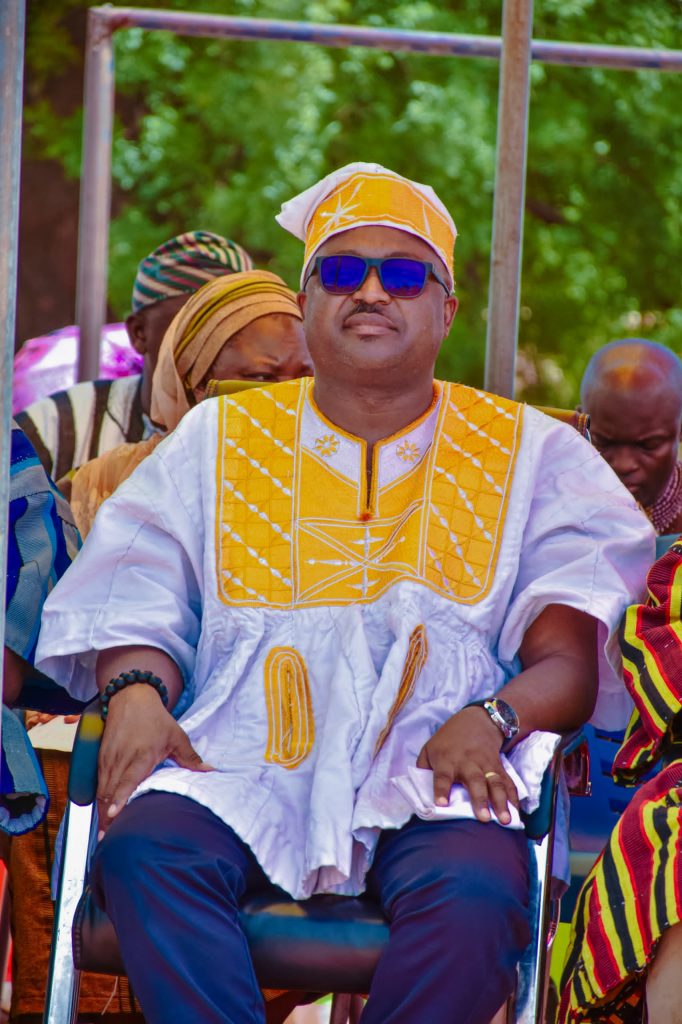
Perhaps one of the Minister’s most distinctive approaches has been his deliberate engagement with traditional authorities.
Since assuming office, he says he has toured almost every paramountcy in the Upper West Region, describing chiefs as indispensable partners in local governance.
According to him, traditional leaders remain the primary voice of their communities and therefore deserve continuous engagement on development issues.
He disclosed that he has visited nearly all of the region’s paramountcies, with only a few remaining because of ongoing chieftaincy disputes and security advice.
“The people speak through their chiefs,” he explained.
During these visits, he said, he meets divisional chiefs, sub-chiefs, queen mothers and community representatives in open forums where development concerns are discussed collectively.
Planning ahead to prevent future disasters
Following devastating floods witnessed in parts of Accra, the Minister says Upper West is intensifying efforts to improve spatial planning before similar challenges emerge.
He explained that district assemblies are currently integrating local development plans into a comprehensive regional framework that will guide future land use and infrastructure development.
Rather than demolishing existing communities, he said authorities intend to adapt future road networks and public infrastructure around established settlements where possible.
The region is also strengthening sanitation enforcement through local task forces and updated by-laws to improve environmental cleanliness and reduce flooding risks.
Once the legal framework is completed, assemblies will have stronger powers to prosecute sanitation offenders and enforce planning regulations.
Managing expectations within the NDC
On the political front, Mr. Lwanga described the governing National Democratic Congress (NDC) as generally united in the Upper West Region despite frustrations among some grassroots supporters over employment opportunities.
He attributed most concerns to the pace of job creation rather than internal divisions.
According to him, government is first stabilising the economy before expanding employment opportunities.
He expressed confidence that if parliamentary elections were held today, all eleven NDC parliamentary seats in the region would be retained.
Accessibility as a leadership philosophy
When asked what explains the relative calm within both government and party structures, the Minister returned to the same principle that has shaped much of his administration; accessibility.
He believes governance becomes easier when citizens know they can reach their leaders.
He said he has encouraged Metropolitan, Municipal and District Chief Executives across the region to establish similar public engagement days within their respective assemblies.
That approach, he argued, has helped reduce public agitation while strengthening confidence in local government institutions.
Looking ahead
As his administration enters its next phase, Mr. Lwanga says attention will increasingly focus on infrastructure, spatial planning, sanitation enforcement, renewable energy projects and improving public sector efficiency.
While acknowledging that enormous challenges remain, he believes the region’s progress will ultimately depend on maintaining dialogue, strengthening institutions and ensuring that development reaches communities across the Upper West.
“We are working together to ensure that the Upper West moves forward,” he said. “That is the responsibility all of us share.“