
 By Ishmael Junourgh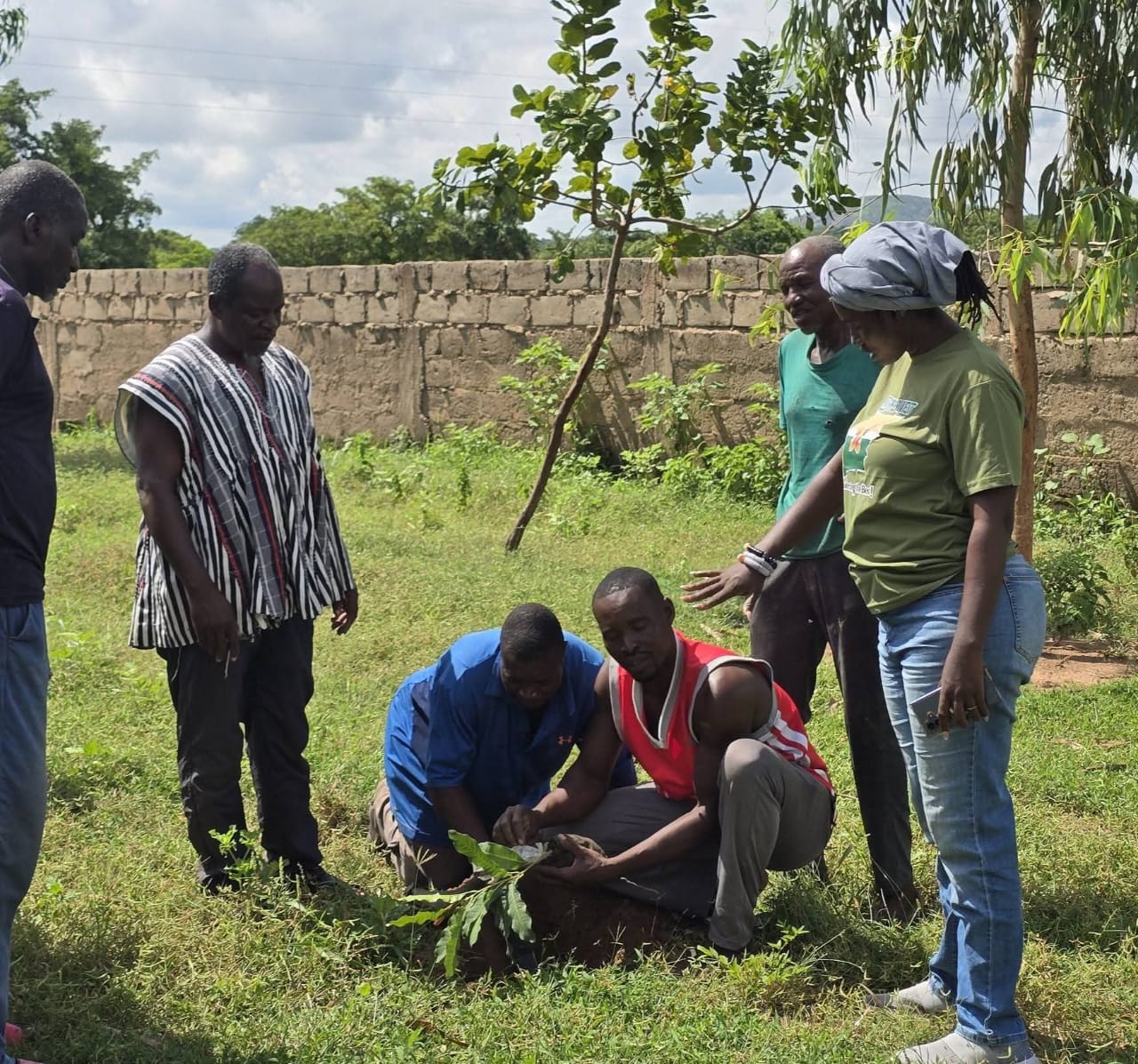
For generations, the shea tree has stood as a quiet economic lifeline across northern Ghana, supporting thousands of households, particularly women who depend on the harvesting and processing of shea nuts for their livelihoods.
Now, the Upper West Region is seeking to move beyond traditional shea gathering and transform the indigenous resource into a structured economic venture through the establishment of the Shea Park Resource Centre.
The initiative, described as a regional development vision championed by the Speaker of Parliament, Alban Sumana Kingsford Bagbin, is positioning shea as a catalyst for job creation, agribusiness, investment, tourism and sustainable environmental development.
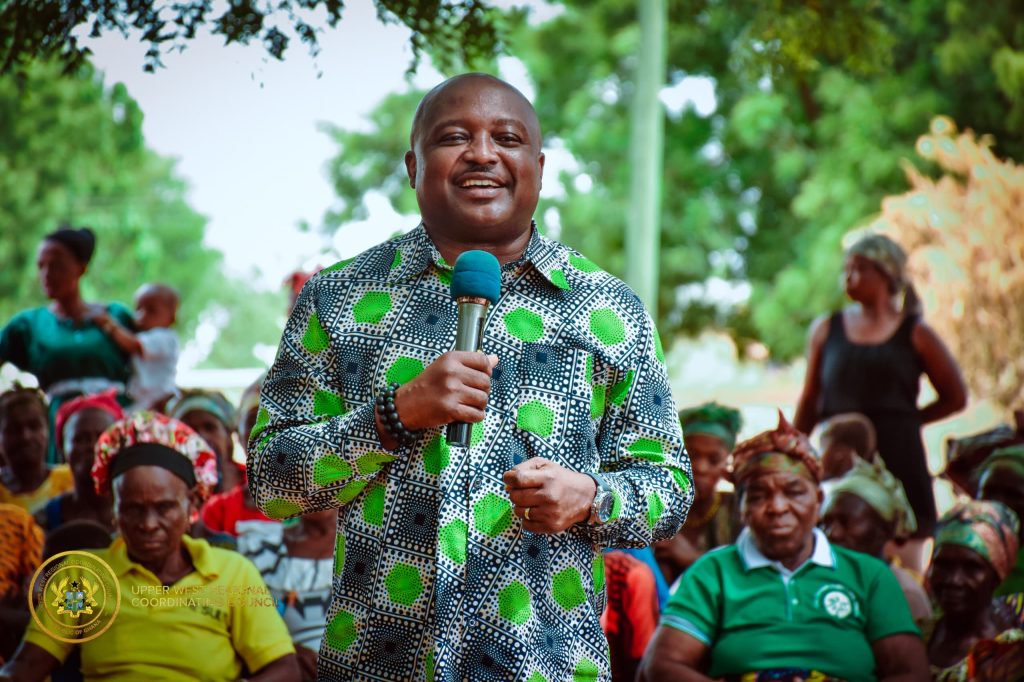
The Upper West Regional Minister, Hon. Charles Lwanga, says the region has begun a pilot shea plantation programme aimed at planting more than 10,000 shea seedlings across communities and districts by the end of the year.
“We established and launched the Shea Park Resource Centre, which is a baby of the Speaker of Parliament, and we have been doing well. Currently, we are planting seedlings of shea trees,” he said.
“It is our hope that by the close of the year, we should be able to plant about 10,000 seedlings or more in the various communities and districts in the Upper West Region to see how they will perform. If they perform well, then we can establish a plantation.”
From natural harvesting to commercial cultivation
For decades, communities in northern Ghana have relied largely on naturally growing shea trees, with women collecting nuts from the wild for processing into shea butter.
However, the Shea Park initiative is introducing a new model—encouraging communities to move from seasonal harvesting to deliberate cultivation of shea plantations.
The Minister explained that existing women shea groups are being supported to maintain their traditional activities while also dedicating portions of land for shea farming.
“Women groups across the various districts were already into shea. They were picking and processing naturally. We brought the idea that they should maintain their shea groups, but while they continue their traditional picking and processing, they should also get an acre or two and plant shea as they plant maize,” he said.
According to him, some farmers have already committed between three and ten acres of land for shea cultivation, signalling a shift towards organised commercial production.
The pilot project is being coordinated by the Queen Mother of the Sing Traditional Area, China Pogna Chana Abdul Razak Salma, who serves as the lead ambassador for the initiative.
The Minister said she has been engaging women groups and traditional authorities while leading advocacy efforts to promote shea plantation development across the region.
Building the “Upper West Cocoa”
A central ambition of the Shea Park project is to improve the production cycle of shea through research, improved seedlings and modern farming methods.
The Minister said seedlings being used for the pilot programme are linked to government’s 24-hour economy initiative through collaboration with institutions working to improve shea seed germination.
While naturally grown shea trees often take many years before producing fruits, he said efforts are being made to shorten the maturity period.
“The traditional period takes several years, but the idea is that some should begin fruiting within three years, with a maximum of five years,” he said.
He believes the intervention could give the region a new economic identity.
“It becomes the Upper West cocoa, so that people can farm alongside having shea plantations,” he said.
Under the proposed plantation model, farmers are expected to plant about 45 shea trees per acre in organised rows to improve productivity and make management easier.
A regional vision with national support
The Minister clarified that the Shea Park is not a direct government programme but a regional initiative that has received government backing through policy support and promotion.
“Government is only giving support in terms of policy and promotion. But it is a regional initiative led by Mr Speaker, Hon. Alban Sumana Bagbin, choosing shea trade, and based on that we got support and buy-in from government,” he explained.
The initiative also carries symbolic significance for the region, with the shea tree featuring prominently on the Upper West Regional flag, unveiled by President John Dramani Mahama on January 31, 2026.
Connecting shea to the 24-hour economy
Mr. Lwanga also linked the Shea Park vision to Ghana’s 24-hour economy policy, arguing that the concept extends beyond factories operating day and night.
According to him, the policy includes agriculture, markets, agribusiness development and expanding value chains.
“The 24-hour economy has various components. If you take it as one policy, then you miss it,” he said.
He explained that proposed markets under the policy are expected to function as modern commercial centres, providing spaces for businesses alongside essential services such as clinics, security, fire services and childcare facilities.
Agriculture and agribusiness, he added, remain critical components of the policy, with shea identified as one of the commodities capable of driving economic transformation in the Upper West Region.
Beyond shea butter: building an industry
The long-term vision, according to the Minister, is to develop industries around shea beyond traditional butter production.
Shea, he said, has applications in cosmetics, pharmaceuticals and other sectors, creating opportunities for entrepreneurs, investors and local processors.
“If you set up a shea factory to create these different types of butter, anybody in pharmaceuticals and cosmetics can benefit from that value chain,” he said.
He noted that while communities have engaged in shea-related activities for generations, the difference now is the deliberate effort to organise production, strengthen markets and attract investment. The Shea Park initiative therefore represents an attempt to reposition a traditional northern resource into a modern economic engine—one capable of creating jobs, empowering women, supporting farmers and placing the Upper West Region on a pathway of sustainable development.