
 By Ishmael Junourgh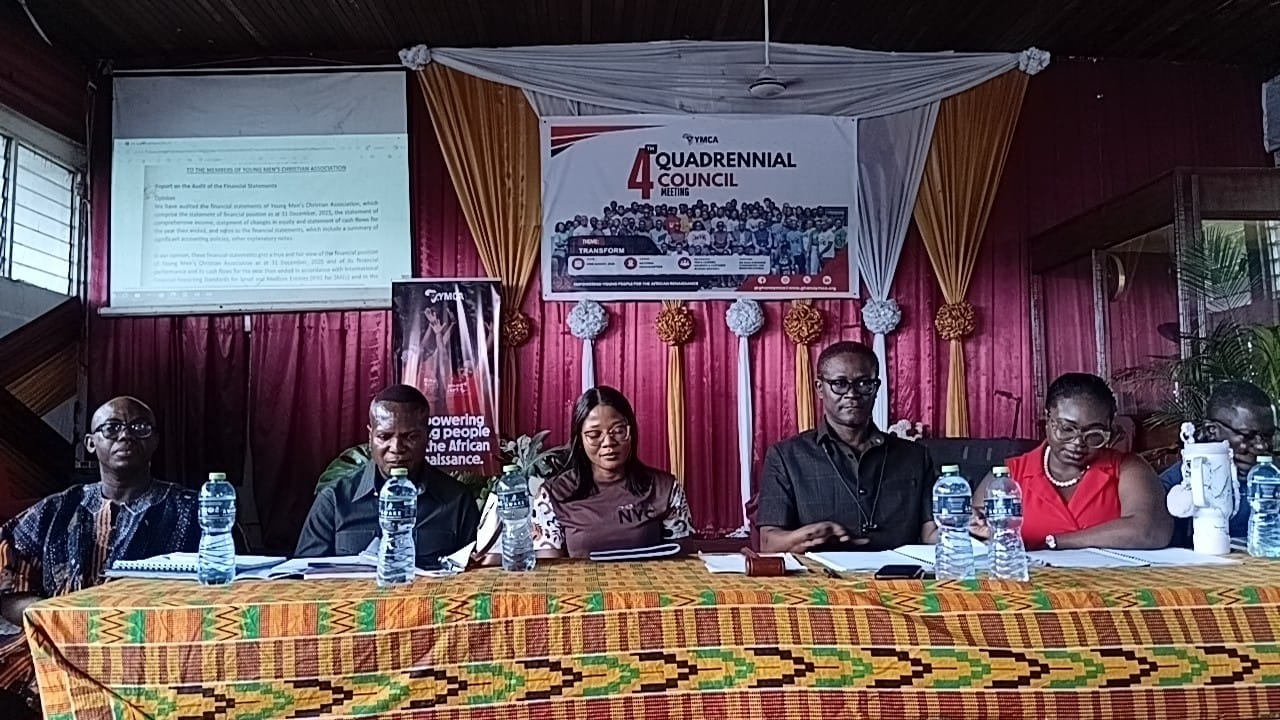
The Ghana YMCA has called for a fundamental rethink of the country’s education system, arguing that greater emphasis on technical and vocational skills could help address youth unemployment and equip young people to create jobs for themselves.
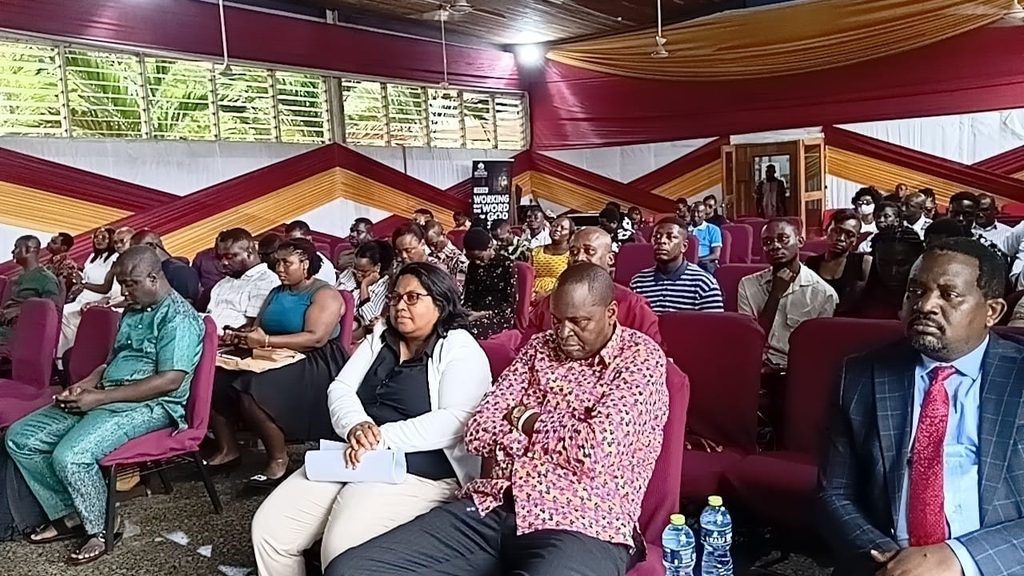
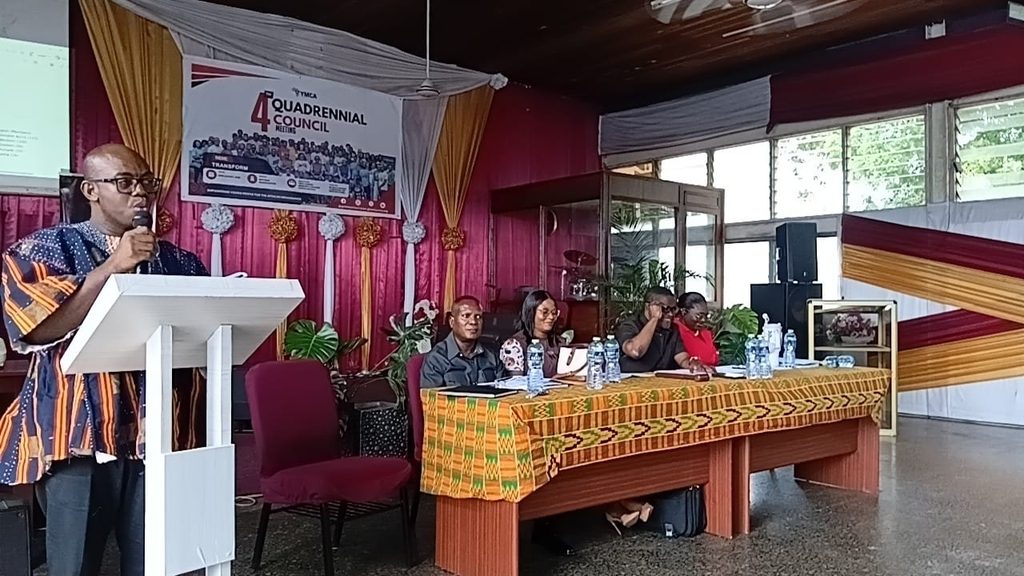
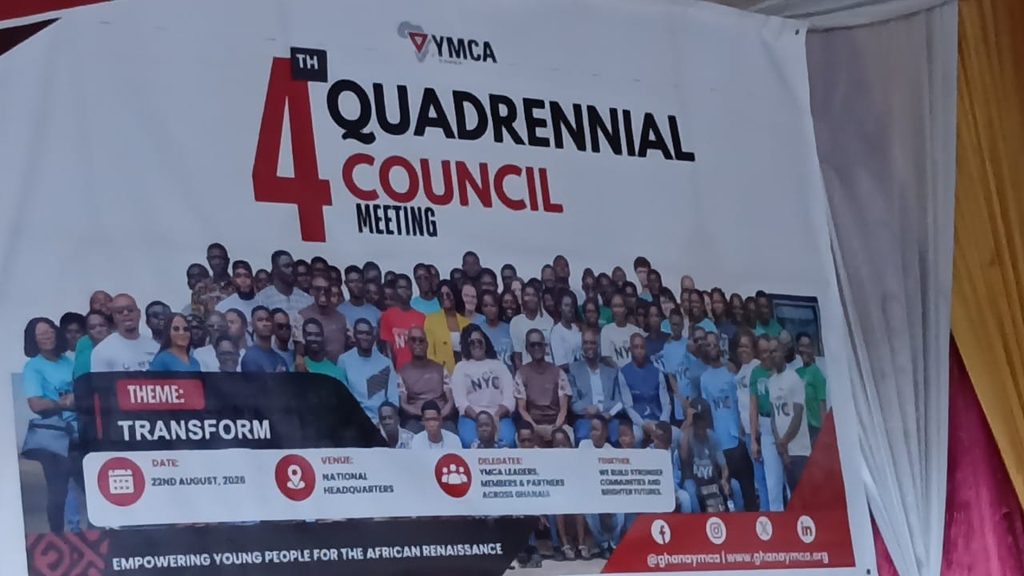
Executive Director of the Ghana YMCA, Kwabena Nketia Addae, made the call in an interview with The Bridge News on the sidelines of the organisation’s Quadrennial National Council Meeting, in Accra, today, (August 24, 2026) where the YMCA reviewed its activities over the past four years and prepared to elect new leaders.
According to Mr. Nketia Addae, Ghana’s development challenges require an education system that does not make young people believe that success is only possible through office-based employment.
“We need to ensure that people are beginning to accept the need to go into the technical and vocational fields,” he said.
He argued that skills in construction, electrical wiring, masonry, tailoring, catering, wood technology and other practical fields can provide young people with viable pathways to employment and entrepreneurship.
Skills development as a pathway out of unemployment
The YMCA Executive Director said the organisation’s experience through its Technical and Vocational Training Schools in Accra and Takoradi demonstrates the potential of skills-based education.
The YMCA provides training in areas including wood technology, masonry, architectural draughtsmanship and electrical wiring, while its Vocational Training School for Girls in Takoradi offers training in fashion, catering and interior decoration.
Mr. Nketia Addae believes these skills are particularly relevant to Ghana’s developmental needs, where construction, food services, clothing and other basic industries continue to generate demand.
“Ghana is a developing country. People are building, construction is going on—and so with those skills, there is no way you’ll be unemployed,” he said.
He stressed that vocational training should not be regarded as an inferior alternative to university education, but as an important component of national development and job creation.
His comments come amid persistent concerns about graduate unemployment and the difficulties young people face in transitioning from education into sustainable livelihoods.
YMCA records international recognition for youth programmes
While acknowledging challenges within the organisation, Mr. Nketia Addae said the YMCA had recorded significant achievements during the four-year reporting period, including international recognition for programmes targeting young people.
One of the organisation’s flagship initiatives, the Youth Justice Project, implemented at the Senior Correctional Centre, was recognised in 2024 at a World YMCA Accelerator Summit in Mombasa, Kenya, as the best initiative in the area of providing justice for young people.
The recognition is significant because youth justice forms part of the strategic priorities of the global YMCA under its Vision 2030 framework.
The Ghana YMCA also secured another major international recognition in July 2026 at the World YMCA gathering in Toronto, Canada, where more than 1,400 participants from over 120 countries reportedly participated.
This time, Ghana’s Resilient Film Africa Project was recognised as the best initiative under the Meaningful Work category.
The project, supported by Bread for the World, trains young people in cinematography, video editing, scriptwriting, documentary production and other creative skills.
According to Mr. Nketia Addae, the project was selected from 72 applications after the YMCA demonstrated the reach and impact of the initiative, including evidence that some beneficiaries had gone on to secure work independently and produce documentaries for government projects.
He said the award reflects the growing importance of the creative economy as a pathway to employment for young people.
Digital membership system to strengthen YMCA
Membership remains one of the organisation’s major areas of concern, the Executive Director disclosed.
The YMCA operates as a membership-based organisation, with local branches forming regional structures that ultimately constitute the national organisation.
However, Mr. Nketia Addae said the traditional method of capturing and managing membership information had become increasingly inadequate.
To address the challenge, the organisation is working with a member with an information technology background to develop a membership application that will digitally capture and manage membership data.
He explained that a stronger membership system would not only improve administration but also unlock valuable professional expertise within the YMCA community.
For instance, members with legal, technical or professional backgrounds can provide support to the organisation without the cost of contracting external professionals.
YMCA relies heavily on international partnerships
Despite its longstanding contribution to youth development, the Ghana YMCA does not currently receive direct financial support from the government for its core operations, according to Mr. Nketia Addae.
The organisation relies substantially on international partners, including Bread for the World, the International YMCAs, the YMCA/YWCA of Sweden and the German YMCA.
He noted that the facility from which the organisation operates was constructed more than 50 years ago with support from the German YMCA.
Although government funding is limited, Mr. Nketia Addae said he does not regard this as a reason for frustration, acknowledging the numerous demands on the state.
However, he urged government to consider working more strategically with established youth organisations when implementing interventions such as the Youth Employment Agency and youth-focused agricultural programmes.
“If sometimes some of the government interventions like YEA and all the Youth in Agriculture and the rest, they could also channel some through some of the established youth organizations, I believe we can make greater impact,” he said.
He disclosed that the YMCA engages with the National Youth Authority and other relevant institutions on youth development issues.
From YMCA to national leadership
The YMCA’s contribution to Ghanaian society stretches beyond its current programmes, with several prominent Ghanaians having passed through the organisation.
Mr. Nketia Addae cited former President John Agyekum Kufuor, the late statesman P.V. Obeng, the late E.T. Mensah, and former Accra Mayor Alfred Oko Vanderpuije among notable personalities associated with the YMCA.
The organisation currently operates through branches in several parts of the country, including the Eastern, Ashanti, Greater Accra, Oti, Volta, Western and Central regions.
It also runs early childhood and daycare centres in communities including Mpraeso, Oda, Adabraka, Nudu, Amfeta-Chebi, Konongo and Wawase.
The YMCA’s Mpraeso school has expanded to the Junior High School level and has previously received recognition for academic achievement, including in science.
Northern Ghana remains on the YMCA’s expansion agenda
Despite operating in several regions, the YMCA is yet to establish a permanent presence in northern Ghana.
Mr. Nketia Addae said the organisation has, however, undertaken programmes in the northern parts of the country and hopes to establish a formal presence there in the future.
Such an expansion could potentially widen access to the organisation’s skills development, youth justice, creative-sector training and community development programmes, particularly in areas where young people face significant barriers to employment and economic opportunity.
Quadrennial meeting to shape the next four years
The National Council Meeting brought together representatives from the YMCA’s regional structures to account for the organisation’s stewardship over the previous four years.
The meeting also provided an opportunity for members to elect leaders who will oversee the organisation for the next four-year cycle.
Mr. Nketia Addae explained that the YMCA amended its constitution in 2012 to move from a triennial to a quadrennial cycle, aligning its national governance structure with the Africa Alliance of YMCAs and the World Alliance of YMCAs, whose headquarters are in Geneva.
He said the meeting was therefore not merely an administrative gathering but an important accountability and governance mechanism through which members assess progress, identify challenges and determine the organisation’s future direction.
As the YMCA looks ahead, Mr. Nketia Addae said its broader mission remains centred on creating opportunities for young people to develop skills, secure meaningful work and contribute to national development.
For him, the challenge confronting Ghana is not simply creating more jobs, but equipping young people with the capacity to create and sustain livelihoods.
“Making people think that working in the office is the only way to make it is wrong,” he said, underscoring the need for a national shift in attitudes towards vocational and technical education. The YMCA’s message is therefore straightforward: Ghana’s youth employment crisis may require not only more jobs, but a fundamental change in how the country defines education, work and economic success.