
 By Wononuo Salifu
When Prince Razak Moomin Tachi entered the race for the NDC parliamentary primaries in the Wa East Constituency in 2022, he did so with a clear ambition: to serve his people in Parliament.
Even though he didn’t win the primaries, Prince Razak didn’t take the usual political route. He didn’t fade away after the election or turn his back on the people. He stayed, kept supporting the party and, more importantly, stayed close to the communities, sharing in their daily struggles and realities.
For Prince Razak, political leadership appears to be more than contesting elections. It is about being present and contributing to the development of the people, whether or not there is an election around the corner.
Even before contesting the 2022 parliamentary primaries, Prince Razak had begun supporting communities with access to potable water. He facilitated the construction of boreholes in Jeyiri, Kataa and Bulenga.
After the primaries, rather than putting those efforts on hold, he continued to expand the initiative.
Through what has become known as the Prince Razak Sustainable Water Project, several communities have benefited from improved access to water, including Goohi, Funsi, Bufiama, Jomo, Tinnebe, Yaala No. 1 and Kundugu.
The initiative has subsequently been extended to Sombisi, Jabaga, Chawuli-Fali, Gogi and Bellekpong, communities that have, for years, faced inadequate access to reliable water sources.
For rural communities, a borehole is more than just a development project. It can mean fewer hours spent searching for water, improved hygiene, better protection against water-related diseases and more time for children to attend school and for families to engage in productive activities.
It is this understanding of the everyday realities of the people that continues to drive the intervention.
Access to affordable healthcare remains a major concern for many families, particularly in rural communities where distance and cost can discourage people from seeking timely care.
Recognising this challenge, Prince Razak has supported an ongoing National Health Insurance Scheme (NHIS) registration and renewal exercise across the Wa East Constituency.
So far, the exercise has registered about 200 new members and renewed the cards of more than 500 people across 10 communities, with an ambitious target of reaching 99 percent of the constituency.
The initiative is intended to remove one of the basic barriers to accessing healthcare by ensuring that more residents have active NHIS coverage when they need medical attention.
In collaboration with West Africa Humanitarian Aid, Prince Razak is facilitating free eye care services and surgeries for 150 people living with various eye conditions in the constituency.
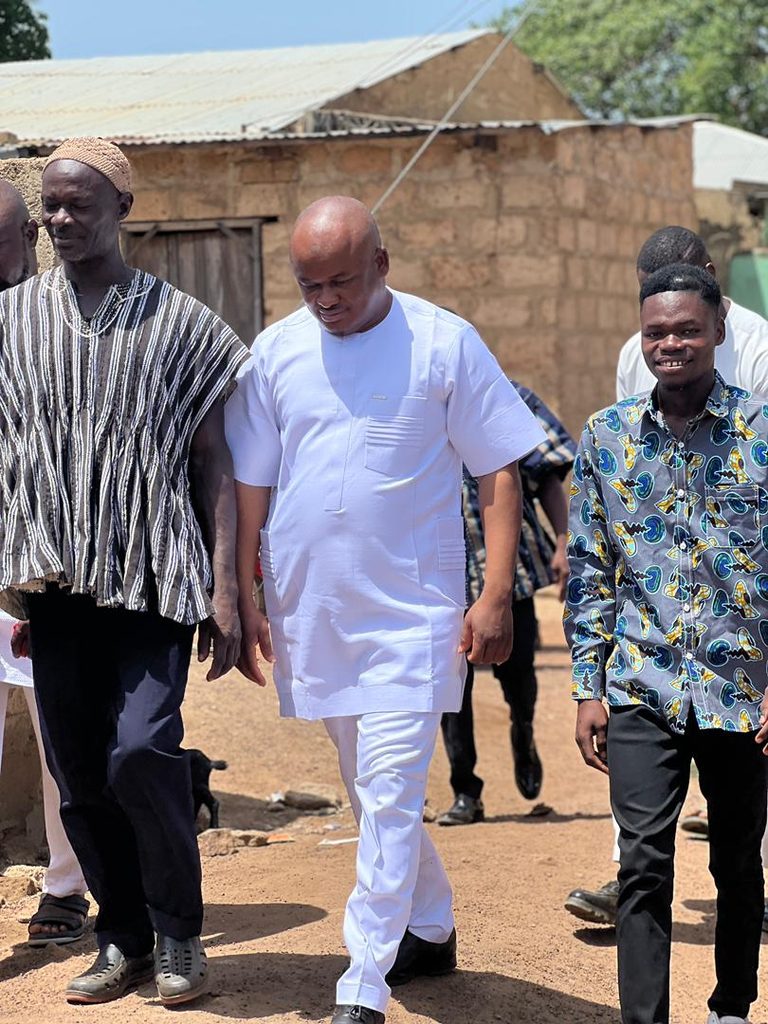
For beneficiaries who might otherwise struggle to afford specialised eye treatment, such support can mean the difference between continuing to live with an eye condition and regaining a better quality of life.
Education has also become an important part of Prince Razak’s community interventions.
With the conviction that no child should be disadvantaged simply because of where he or she was born, he has supported infrastructure development in communities where inadequate classroom facilities remain a challenge.
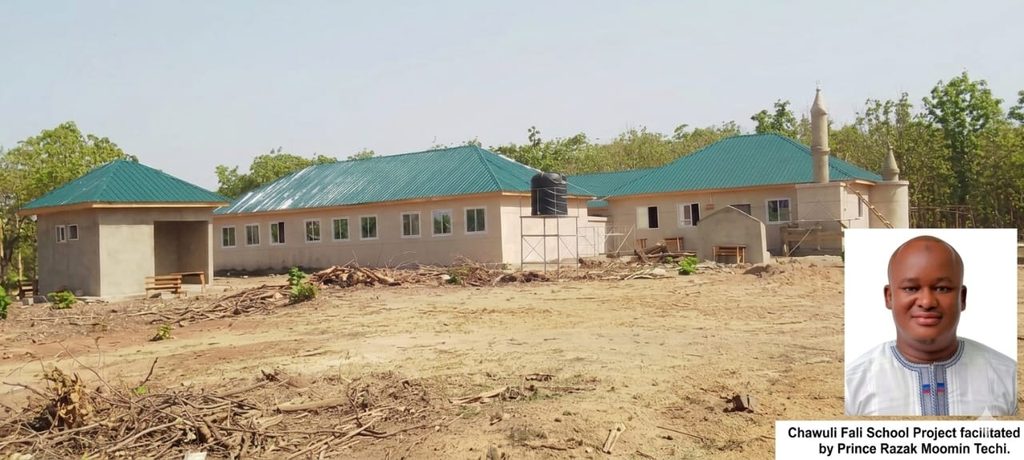
A six-unit classroom block with ancillary facilities, has been completed at Chawuli-fali Community, waiting commissioning.
Another six-unit classroom block at Goohi is at an advanced stage of completion. Once completed and put into use, the facility is expected to provide a more suitable learning environment for children in the community and surrounding areas.
For rural communities, such infrastructure is not merely about buildings. A decent classroom can influence attendance, teaching and learning, student safety and the overall educational experience of children.
Beyond the visible projects, there is another side to Prince Razak’s community engagement that receives less attention.
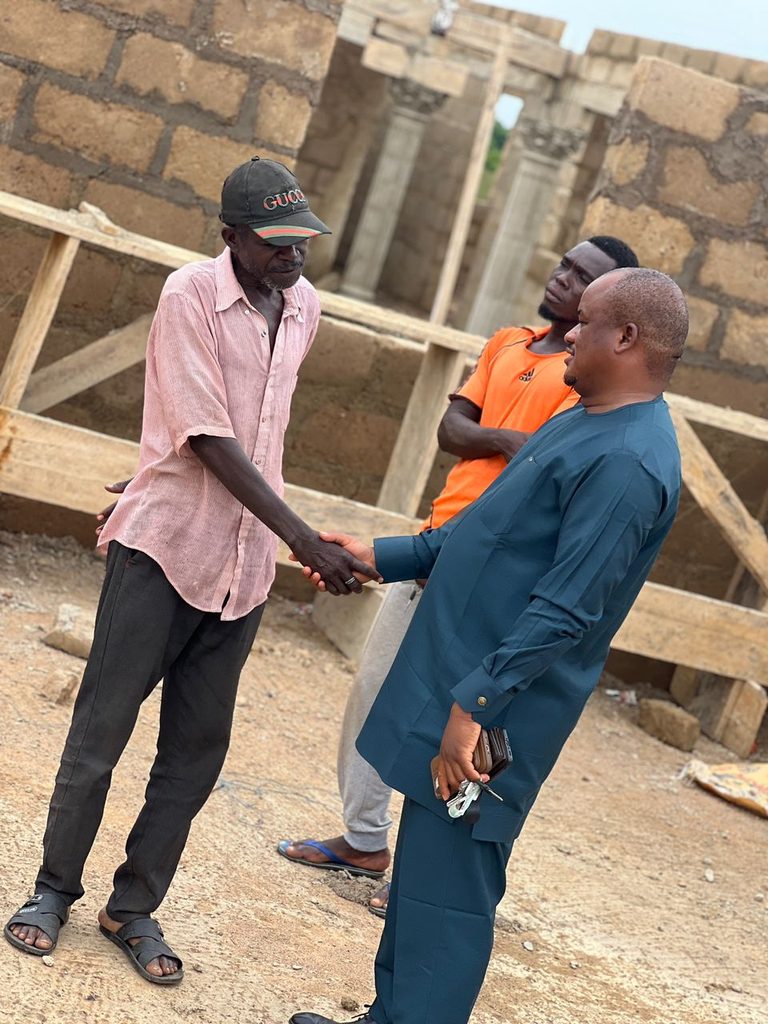
Behind the cameras and outside public events, he has also facilitated employment opportunities for young people within the constituency as part of his youth empowerment efforts.
At a time when unemployment and limited economic opportunities continue to affect many young people, helping even a few individuals secure decent work can have a wider impact. An employed young person is better positioned to support a family, invest in personal development and contribute to the local economy. These interventions may not always attract headlines, but they form part of the broader picture of his engagement with the people.
 Ishmael Junourgh