 By Ishmael Junourgh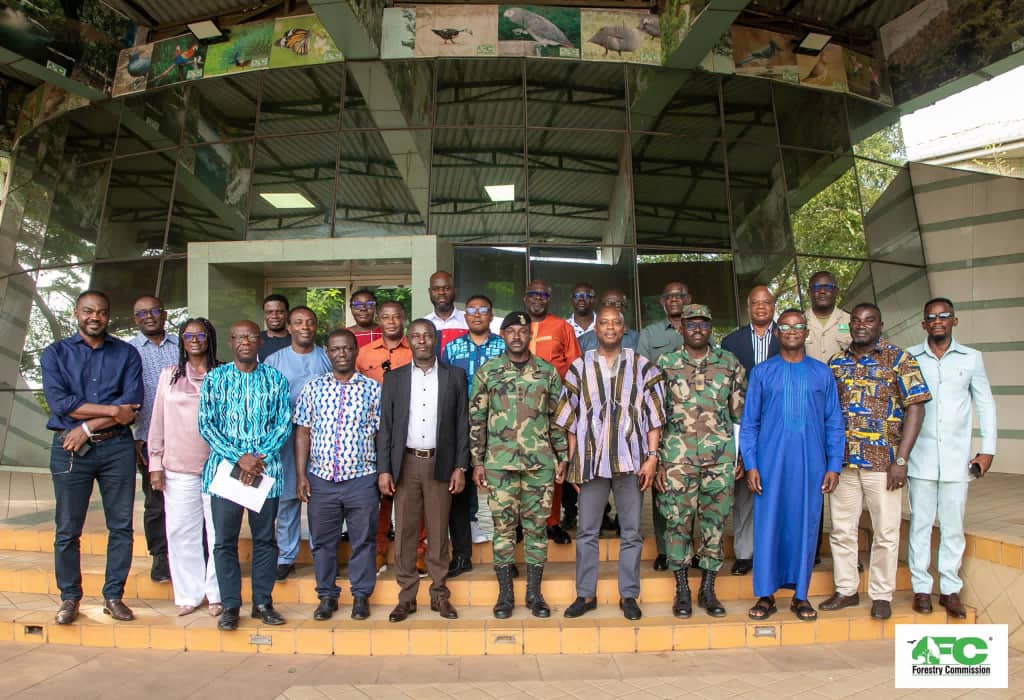
The Forestry Commission (FC) and the National Anti-Illegal Mining Operations Secretariat (NAIMOS) are working towards a stronger operational partnership to combat illegal mining in Ghana’s forest reserves and protect the country’s natural resources.
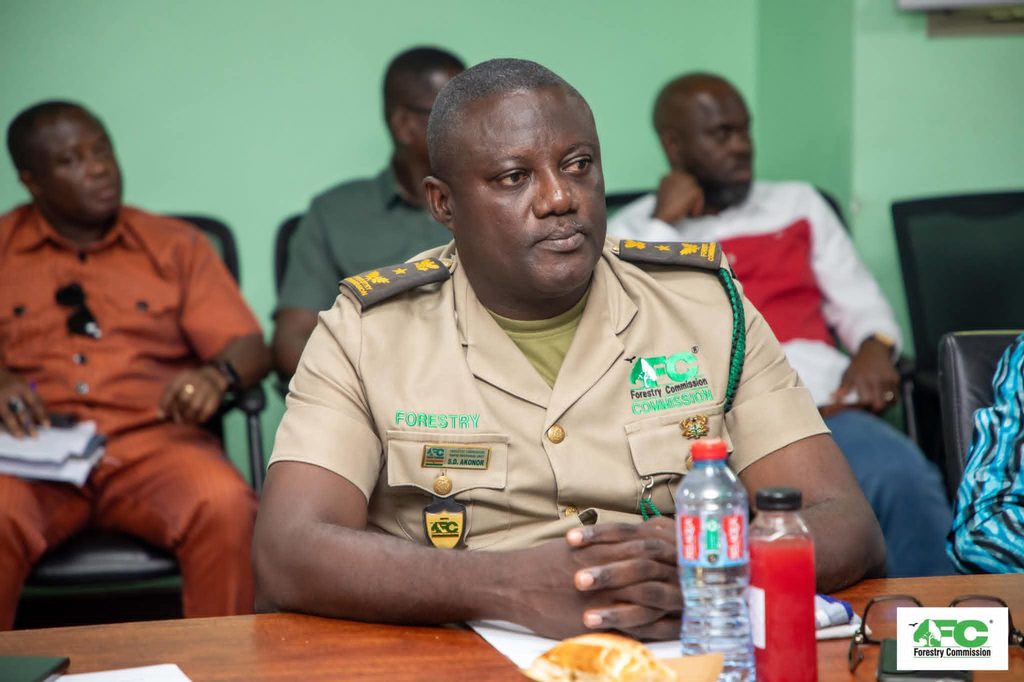
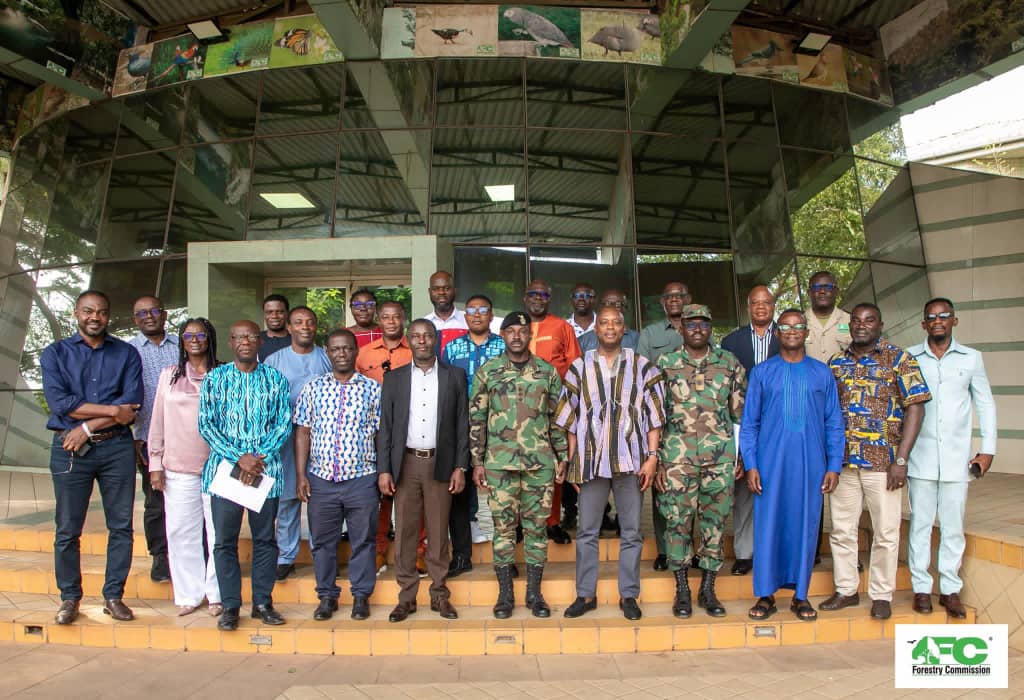
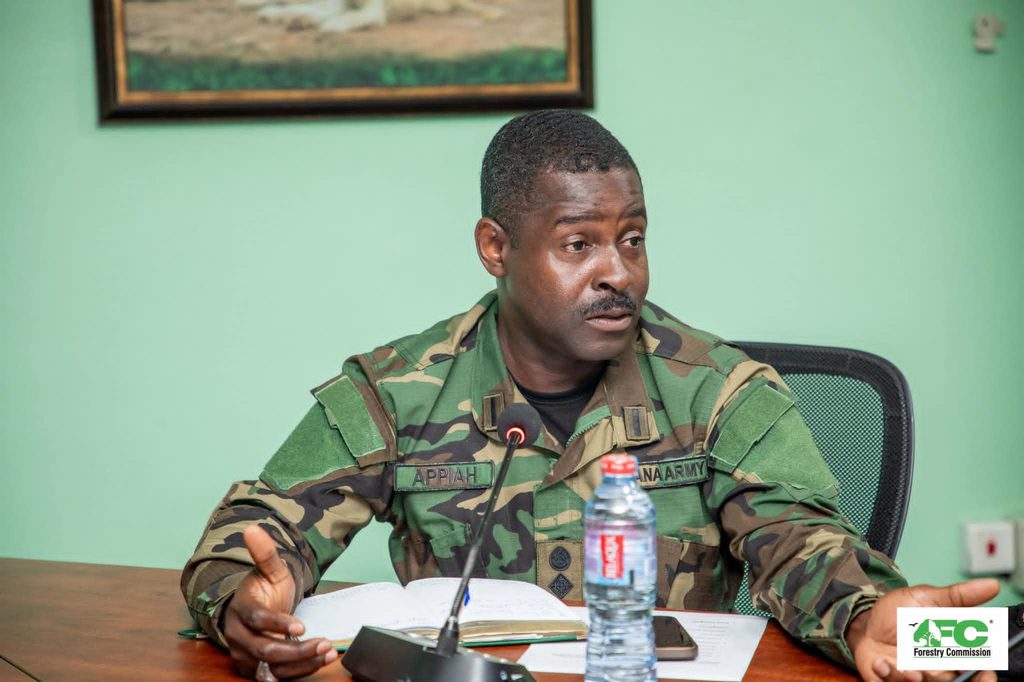
The proposed collaboration emerged during a high-level engagement between the FC Management Team and a two-member NAIMOS delegation led by its Director, Col. Kwame Appiah.
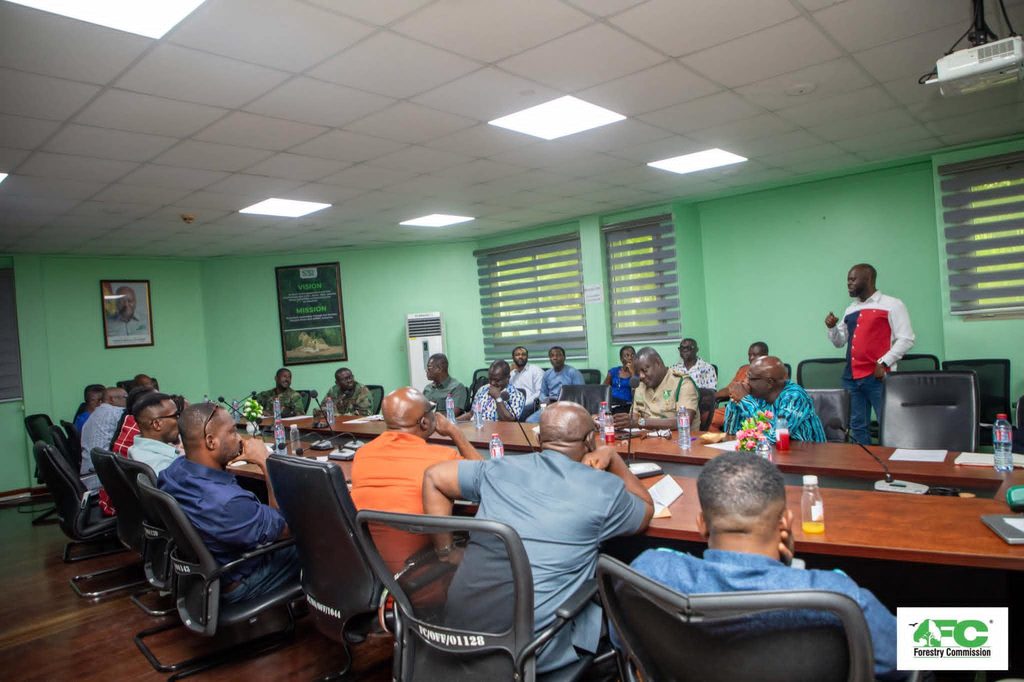
The meeting, hosted by the Forestry Commission, focused on updates on ongoing enforcement activities, the development of rules of engagement and reporting procedures, and strategies to strengthen coordination between the two institutions.
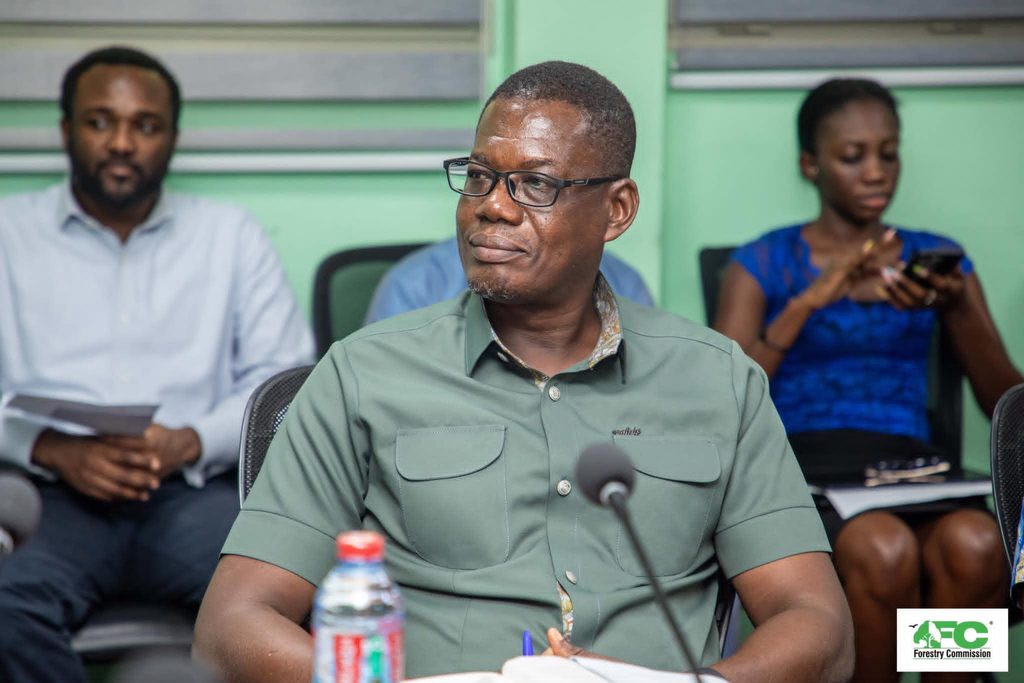
The Chief Executive of the Forestry Commission, Dr Hugh Brown, thanked Col. Appiah for accepting the invitation and described the engagement as an important step towards deepening collaboration in the fight against illegal mining in forest reserves.
He explained that the meeting provided an opportunity for both institutions to discuss their respective mandates and identify practical ways to improve the protection of Ghana’s forest reserves.
Col. Appiah expressed appreciation to the Forestry Commission for initiating the engagement, stressing the importance of working with relevant institutions to protect the country’s natural resources and develop a common framework for tackling illegal mining.
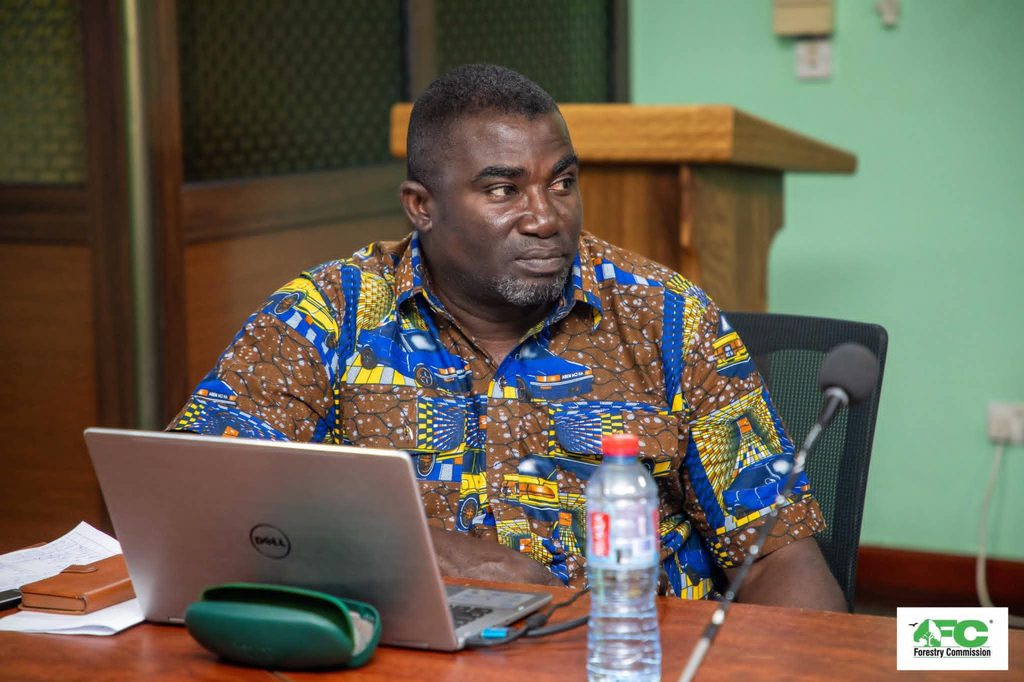
As part of the meeting, Mr Michael Pentsil, Operations Manager, Natural Forest, Forest Services Division, delivered a presentation on the Forestry Commission’s mandate, vision and mission.
He highlighted the extent of the country’s forest reserves and wildlife areas, the major causes of deforestation, and the growing threat posed by illegal mining to forest ecosystems.
The presentation also featured a 40-year satellite-image analysis of changes in the Apraprama Forest Reserve, used as a case study to demonstrate the scale of environmental degradation and the challenges confronting forest protection.
Col. Appiah, in his presentation, outlined NAIMOS’ operational approach to combating illegal mining in forest reserves and water bodies.
He explained that before enforcement operations are undertaken, NAIMOS engages traditional authorities, political leaders and community members in affected areas.
According to him, the engagements provide illegal miners with an opportunity to vacate the affected areas and discontinue their activities before enforcement operations begin.
He further explained that NAIMOS collaborates with other security agencies to enforce the law. Measures taken during operations include requiring perpetrators to reclaim degraded areas, handing suspects over to the police for prosecution, destroying heavy earth-moving equipment and other tools found at illegal mining sites, and securing undertakings from offenders not to return to the sites.
In some areas, he said, security personnel are stationed to monitor the situation and prevent illegal miners from resuming operations.
Col. Appiah, however, identified several challenges confronting NAIMOS, including difficulties relating to mining permits and boundaries, inadequate funding, interference from institutions and government officials, limited access to drone teams for aerial surveillance, and insufficient access to environmental specialists to assess and survey affected areas.
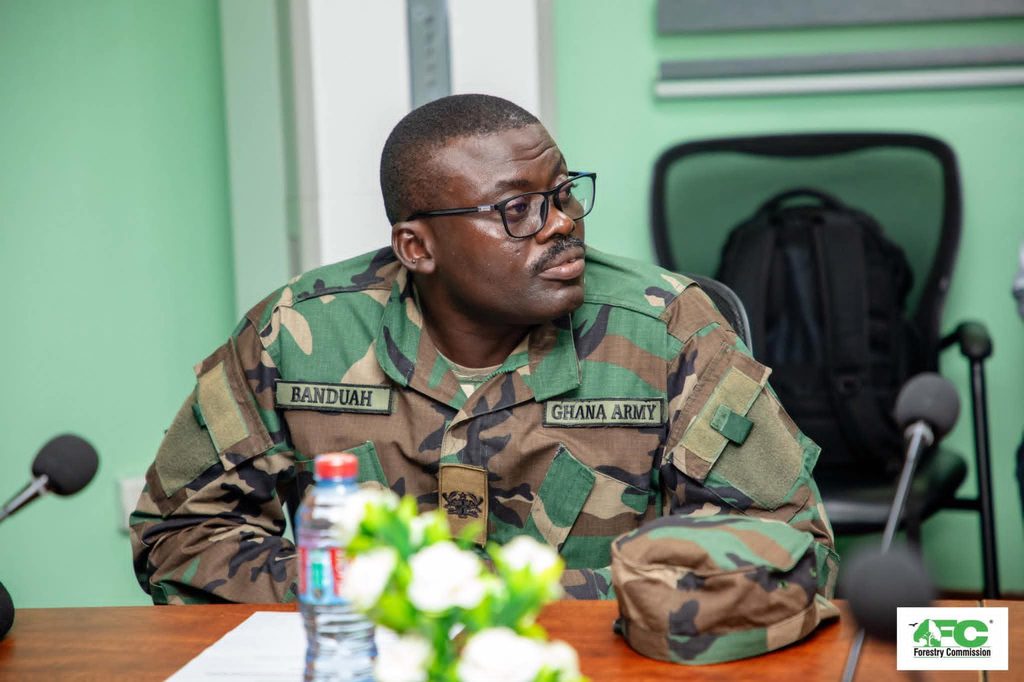
During an open session, participants asked questions, made suggestions and sought clarification on issues affecting the effective protection of forest reserves.
Key areas discussed included the identification of Forward Operating Bases (FOBs), closer collaboration with Forestry Commission officials, the sharing of coordinates of affected areas with NAIMOS, the creation of a central database of NAIMOS operations, and the establishment of forest protection camps to accommodate personnel during operations.
The engagement ended with a commitment to strengthen cooperation between the two institutions. The partnership is expected to improve coordination, enhance enforcement efforts and contribute to the protection of Ghana’s forest reserves from the destructive effects of illegal mining.