
 By Ishmael Junourgh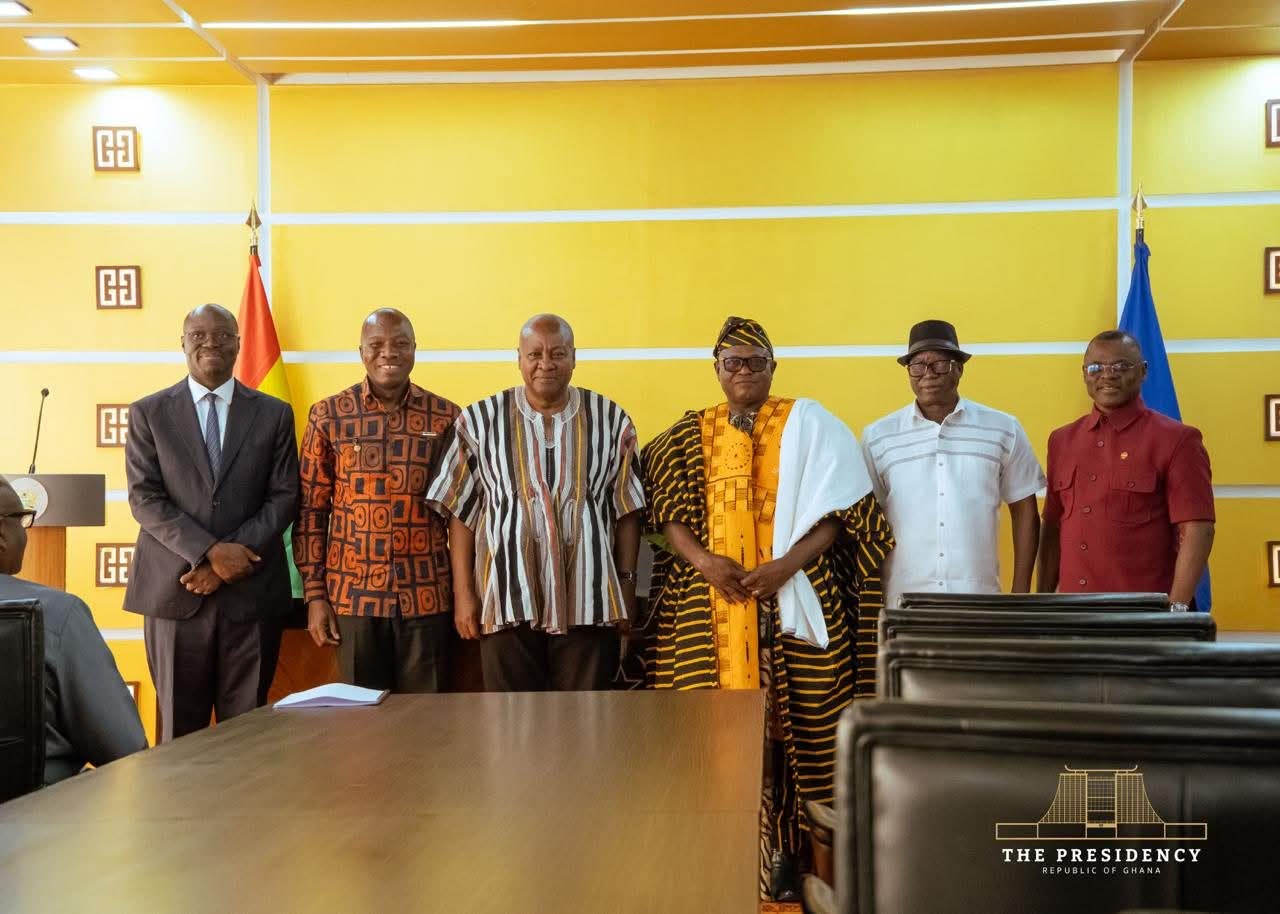
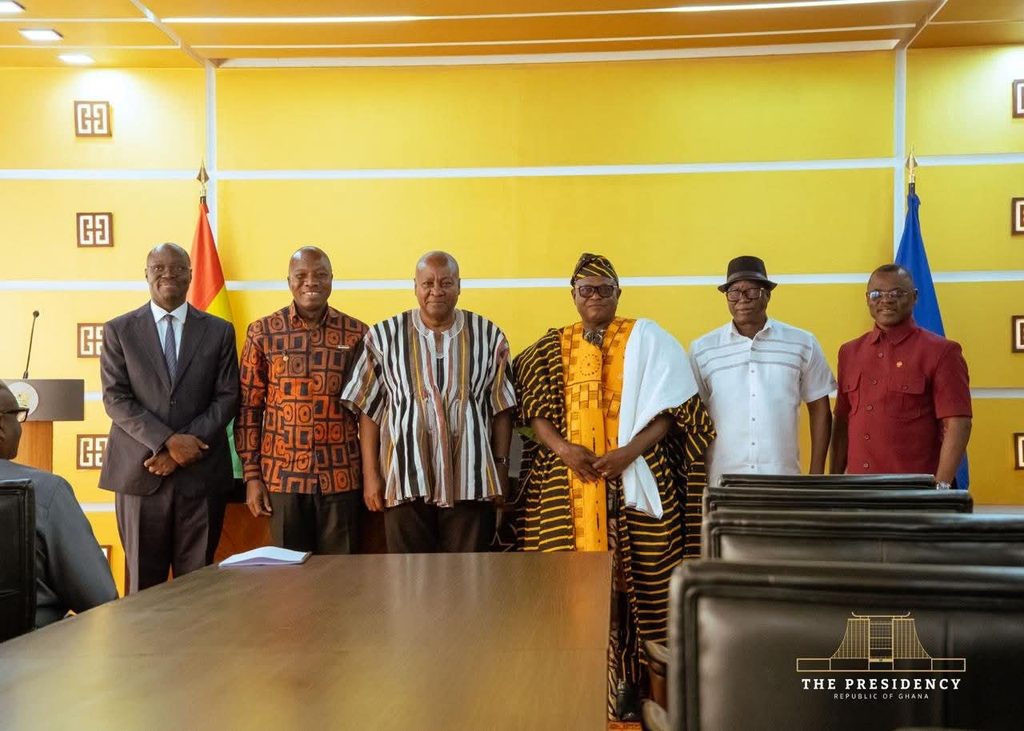
President John Dramani Mahama has inaugurated a five-member board to oversee the implementation of the GH¢1 billion Bawku Revitalisation Fund, a major government initiative aimed at rebuilding infrastructure, reviving economic activity and accelerating development in Bawku and surrounding districts.
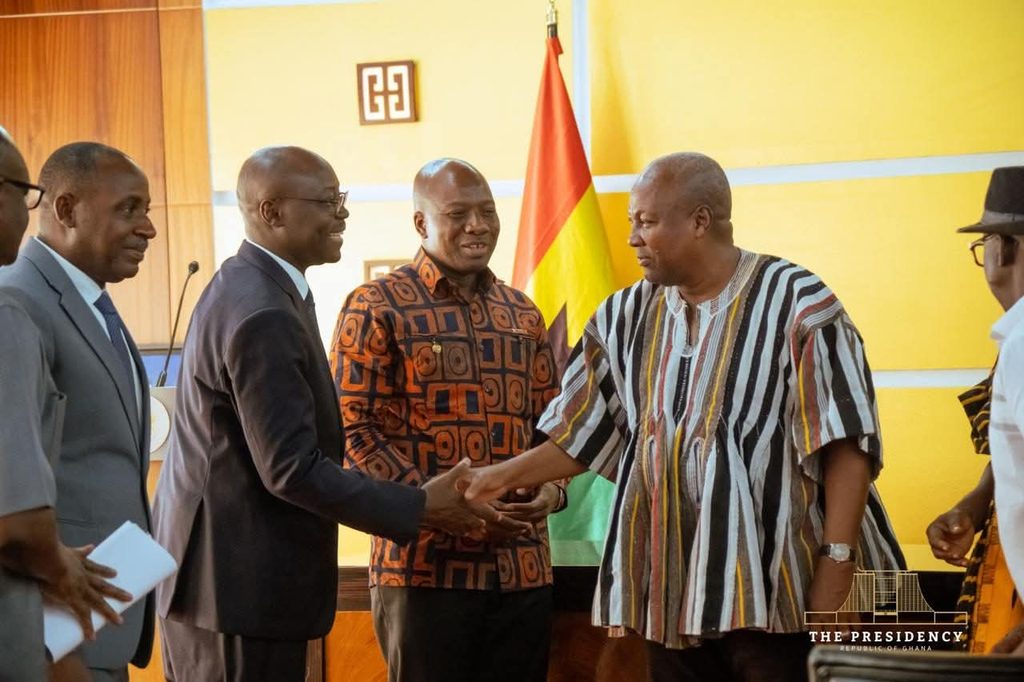
The board, inaugurated at the Presidency on Wednesday, August 26, 2026, is expected to provide strategic oversight for the deployment of the fund as government intensifies efforts to restore Bawku to its former status as a vibrant commercial centre in northern Ghana.
The board is chaired by the Finance Minister, Dr Cassiel Ato Forson, and includes the Member of Parliament for Bawku Central and Minister for Local Government and Chieftaincy, Mahama Ayariga; His Royal Majesty Cletus Abugri, Chief of Tempane; Upper East Regional Minister, Akamugri Donatus Atanga; and the Member of Parliament for Garu, Dr Thomas Winsum Anabah.
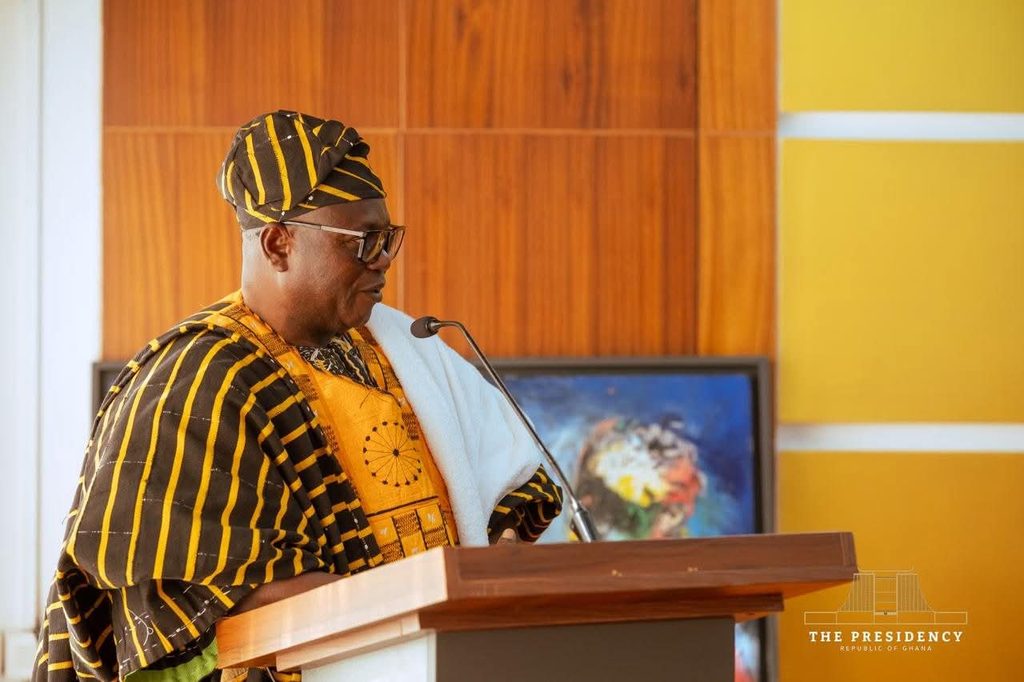
Speaking at the inauguration, President Mahama said funding for the initiative had been secured, clearing the way for implementation following significant improvements in the security situation in Bawku.
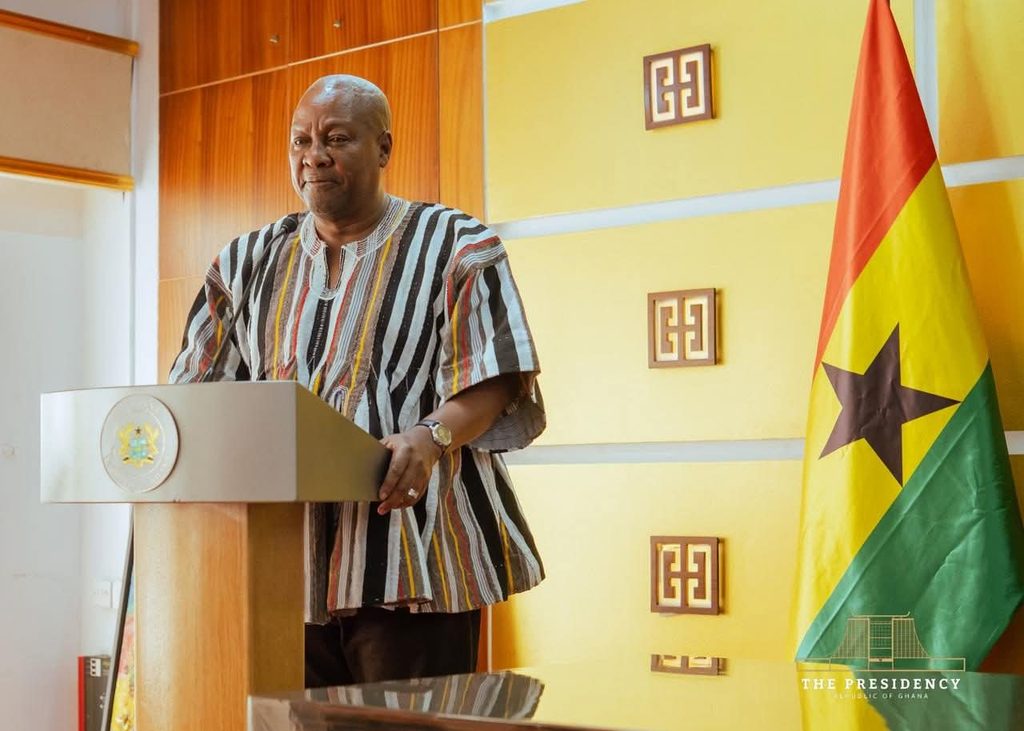
He said the establishment of the fund followed government’s receipt of the Otumfuo Mediation Committee’s report in December 2025, which provided renewed impetus to efforts to restore peace and development to the area.
President Mahama noted that the prolonged conflict had taken a heavy toll on Bawku’s economy and social infrastructure, disrupting public services and bringing several major development projects to a standstill.
Among the affected projects, he cited the Tamli Dam project, whose progress was disrupted by the instability in the area.
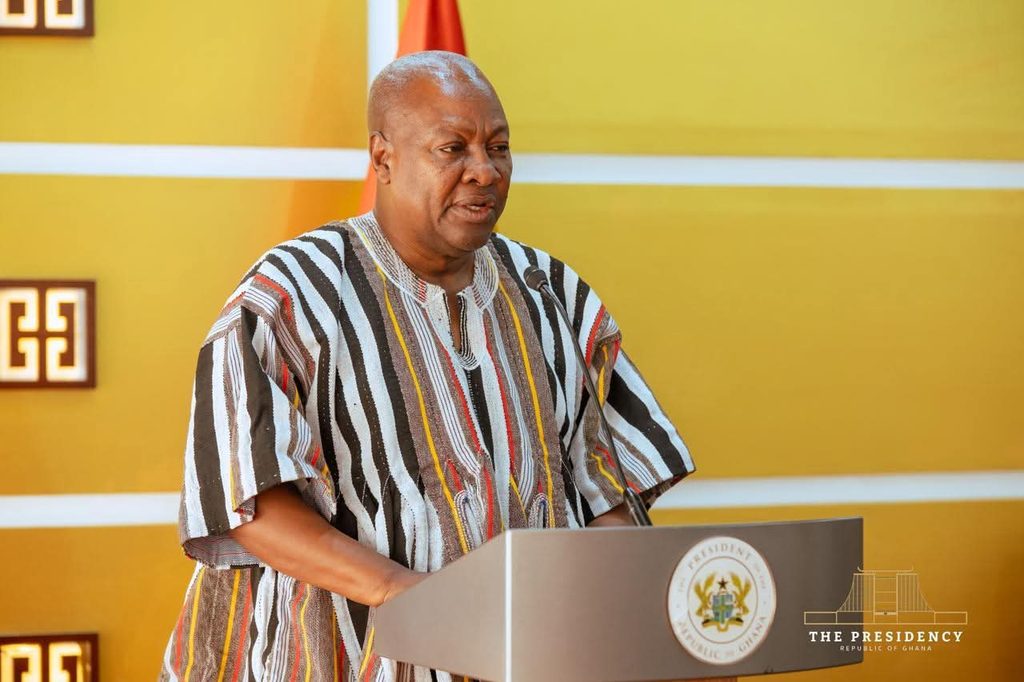
According to the President, the return of relative peace provides an opportunity for government to resume stalled projects and redirect significant development resources towards rebuilding Bawku and its surrounding communities.
He stressed that the revitalisation effort would be anchored in the broader objective of ensuring that Bawku receives its fair share of national development.
The GH¢1 billion fund is therefore expected to support critical infrastructure and other development priorities while contributing to the restoration of economic activity, public confidence and livelihoods in the area.
The inauguration of the board marks a significant step towards translating the government’s commitment to Bawku’s recovery into concrete interventions.
With the security environment improving, attention is now turning to the board to ensure that the fund is effectively managed and deployed to projects capable of delivering tangible and lasting benefits to the people of Bawku and neighbouring districts. For a town whose commercial importance has historically extended well beyond the Upper East Region, the revitalisation initiative offers a renewed opportunity to rebuild its economic base and restore its position as a key commercial hub in northern Ghana.
 Wononuo Salifu