
 By Prof. Damasus Tuurosong
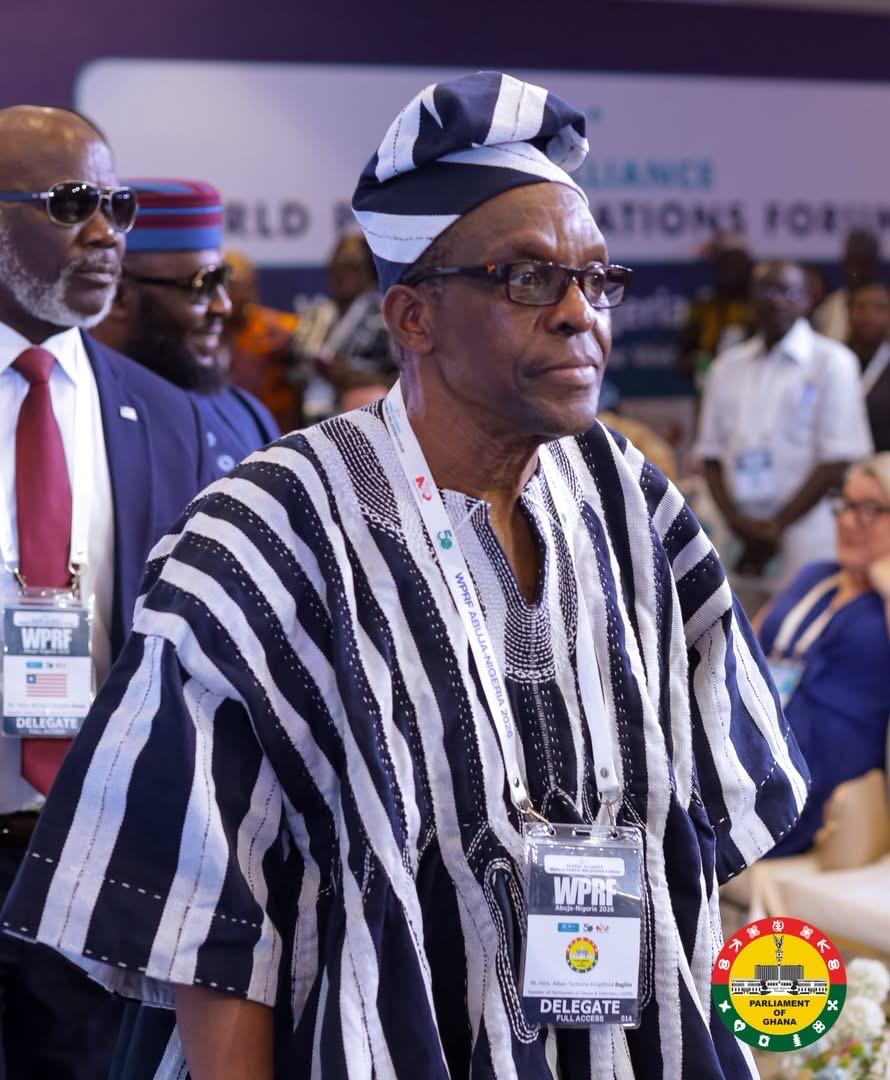
Ghana’s Speaker spoke. Loudly. Boldly. Emphatically. And the world stood up. Not just to applaud his oratory, but in awe at the audacious extent to which Ghana’s Parliament, under its Speaker, Rt. Hon. Alban Sumana Kingsford Bagbin, had travelled in bringing the House closer to its rightful landlords, the ordinary Ghanaian.
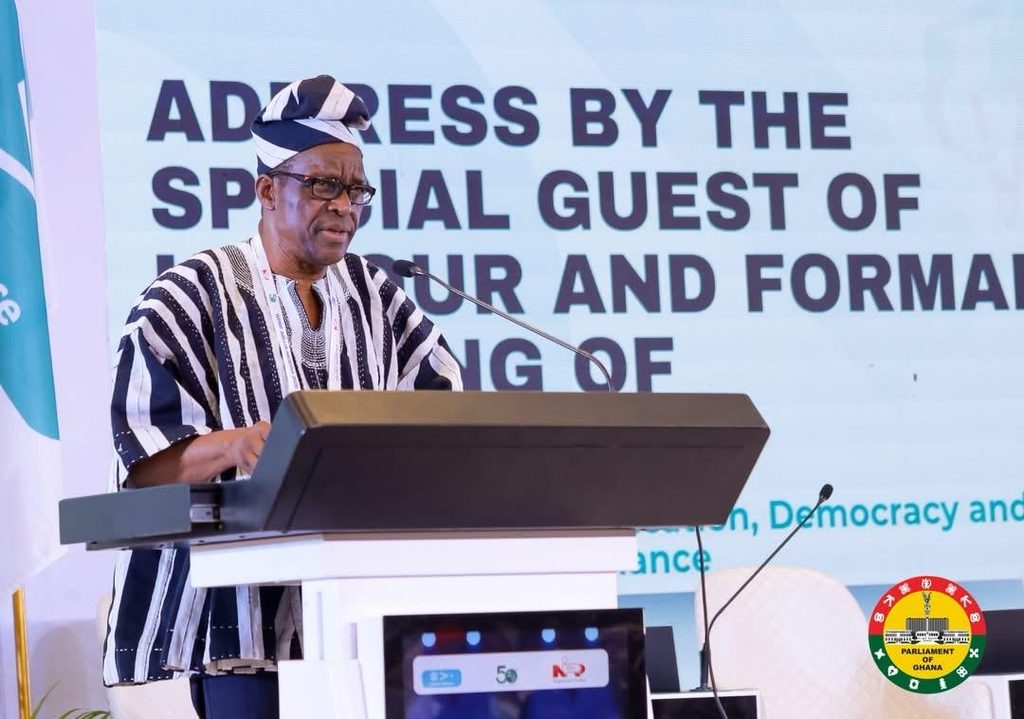
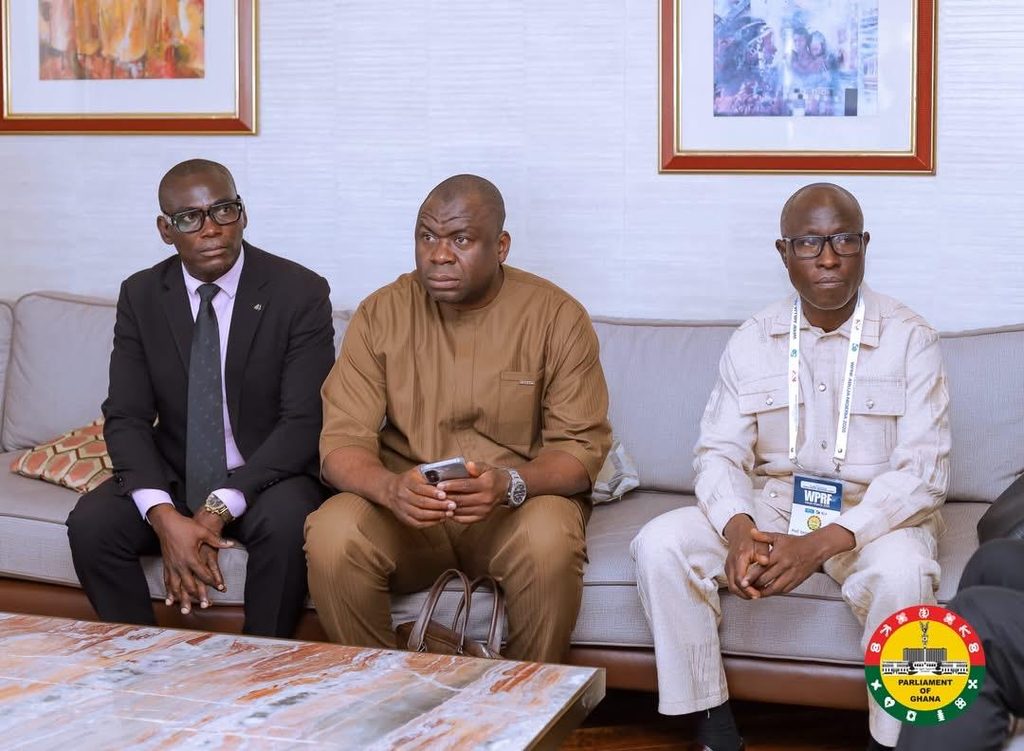
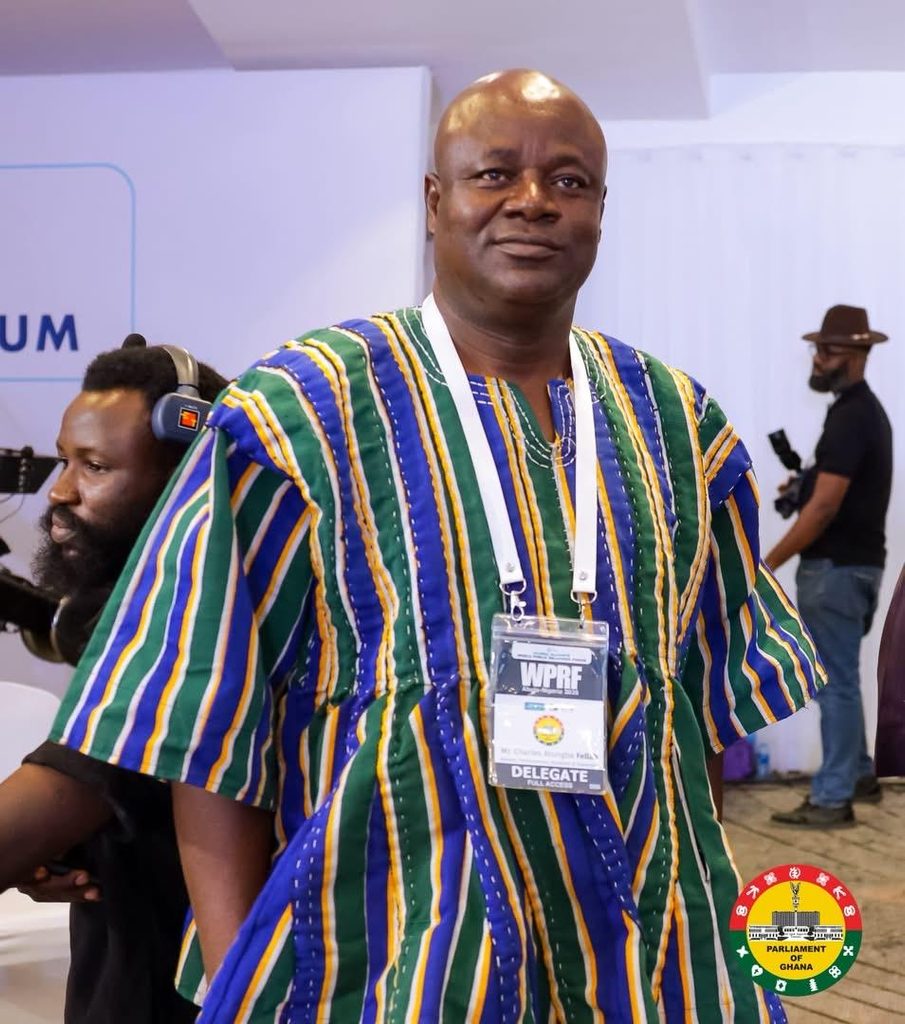
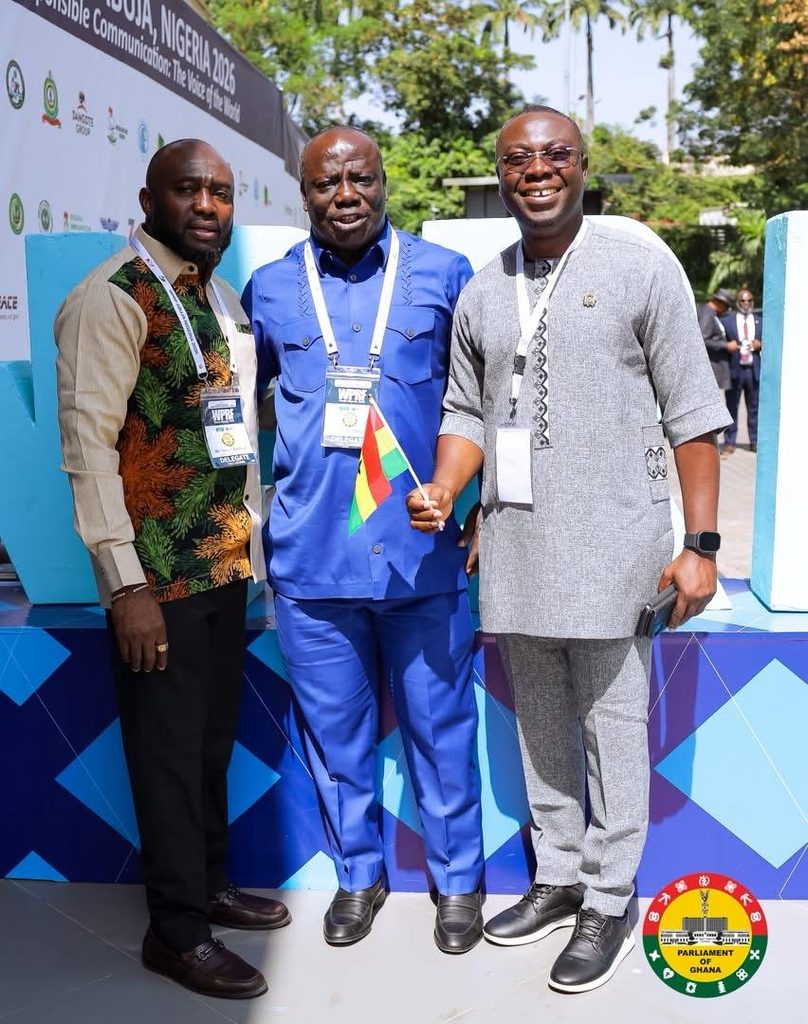
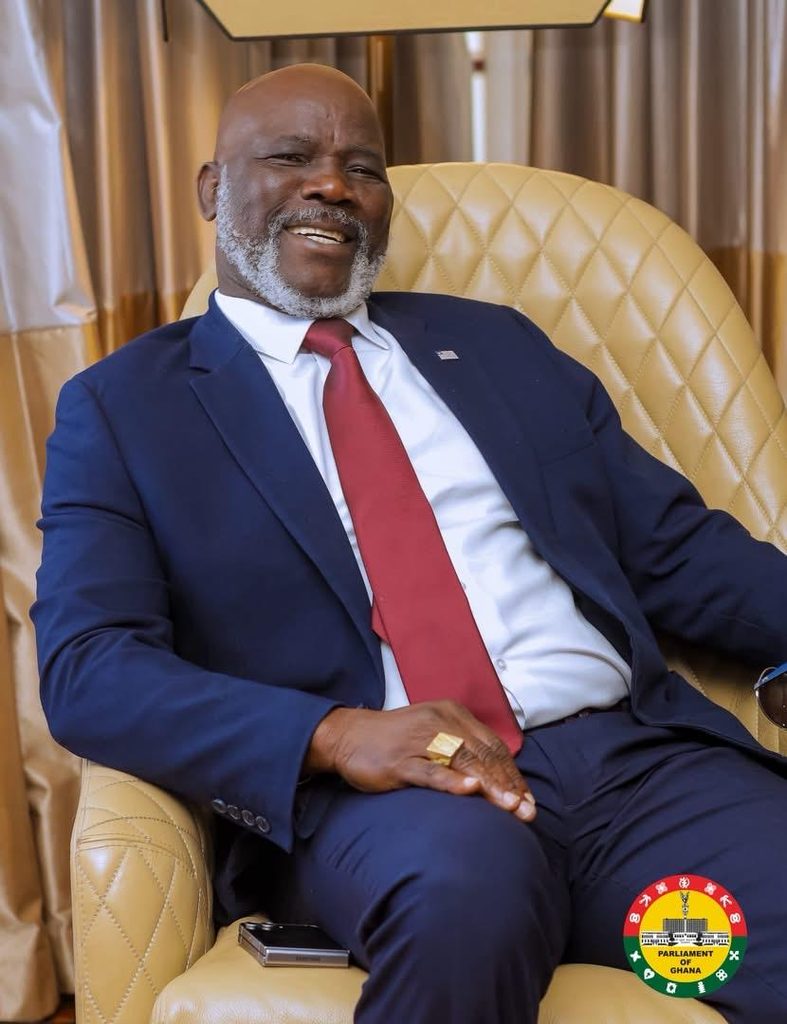
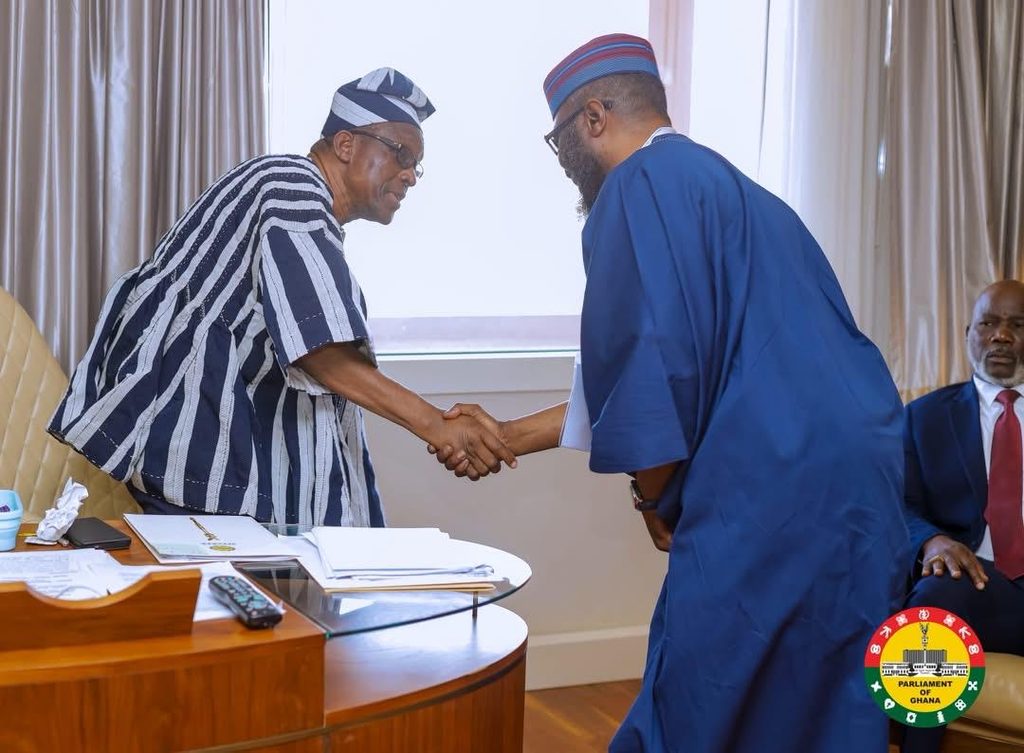
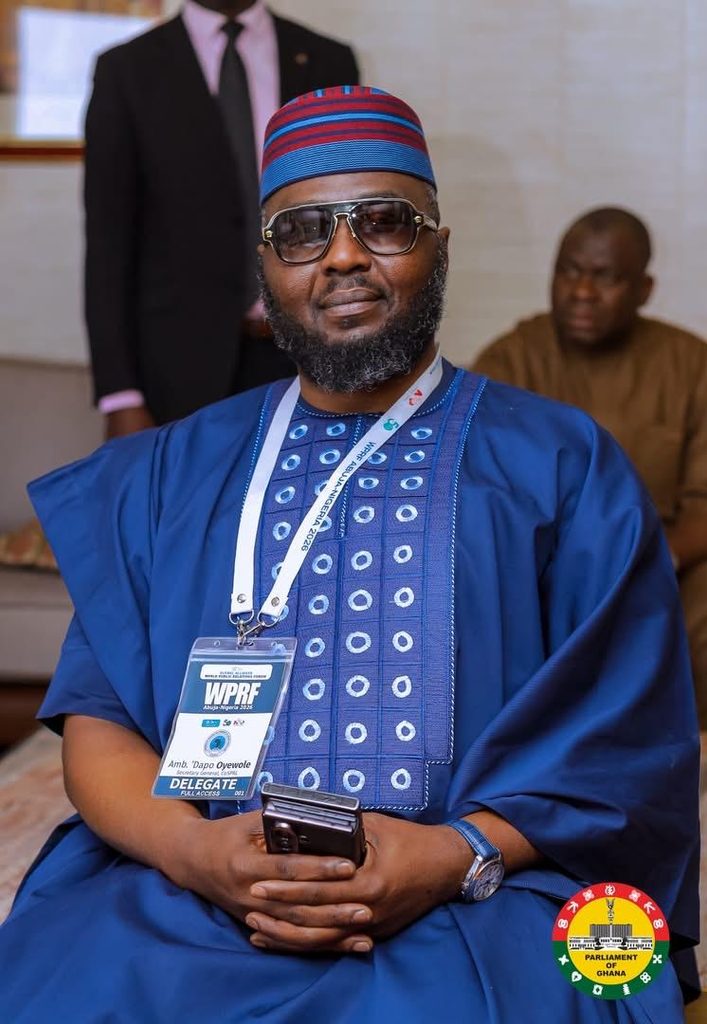
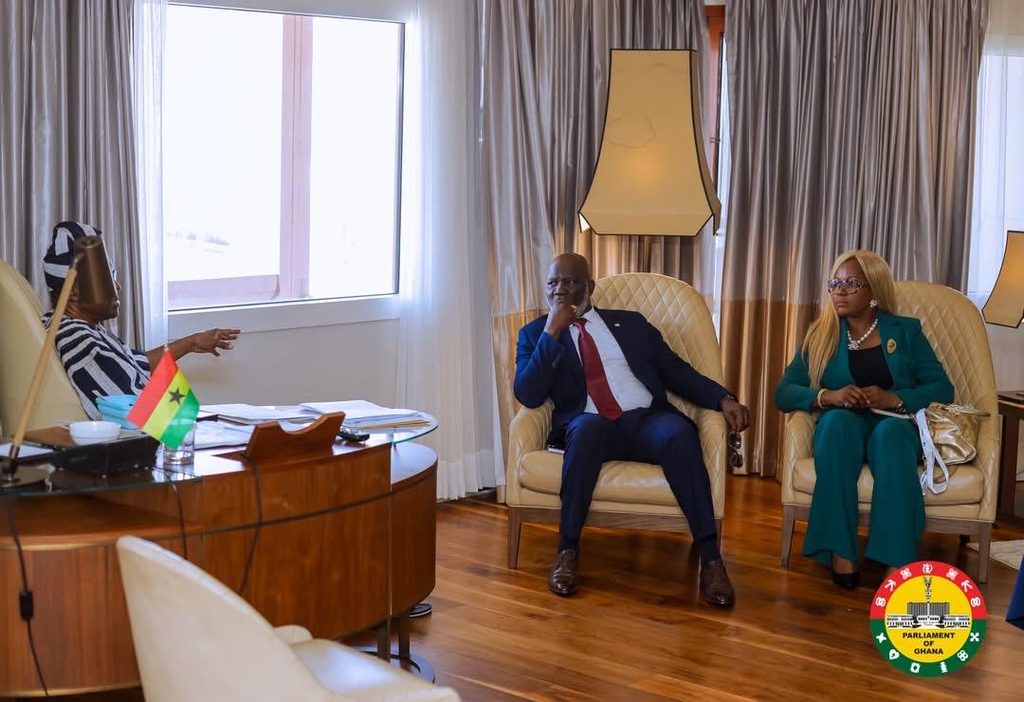
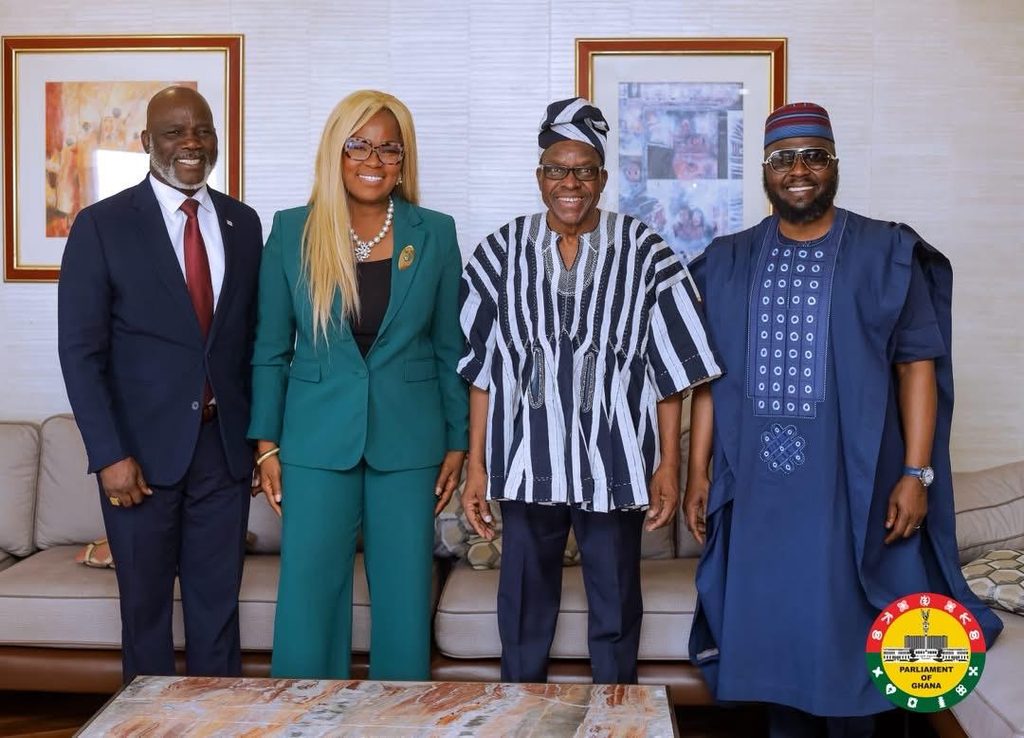
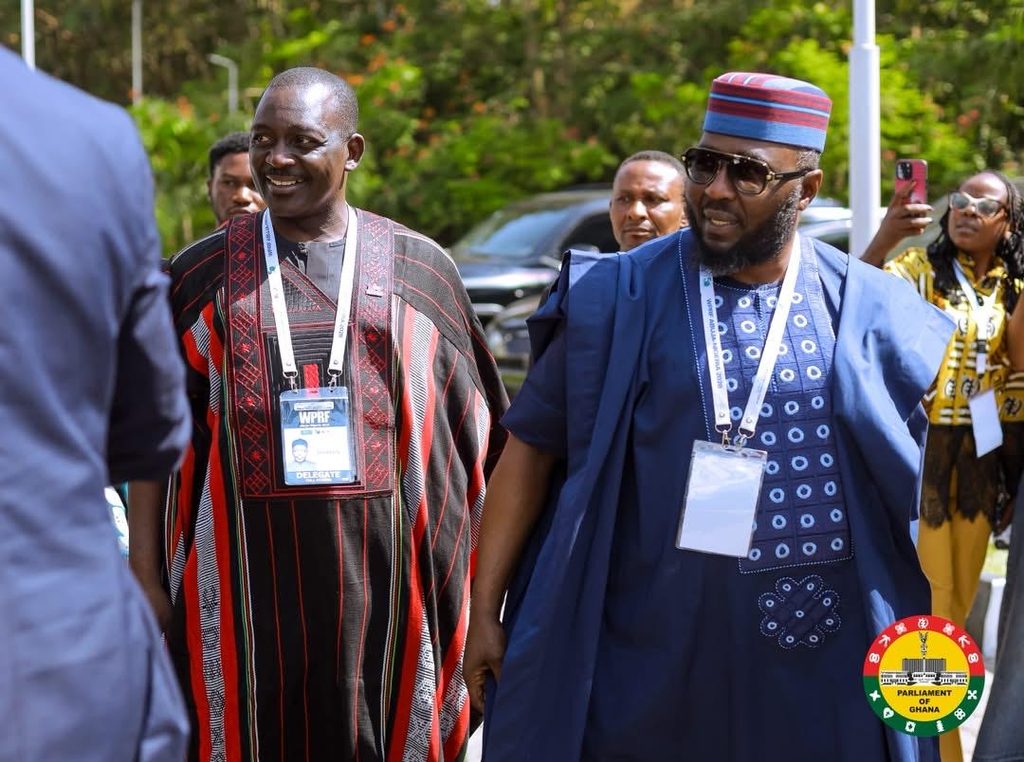
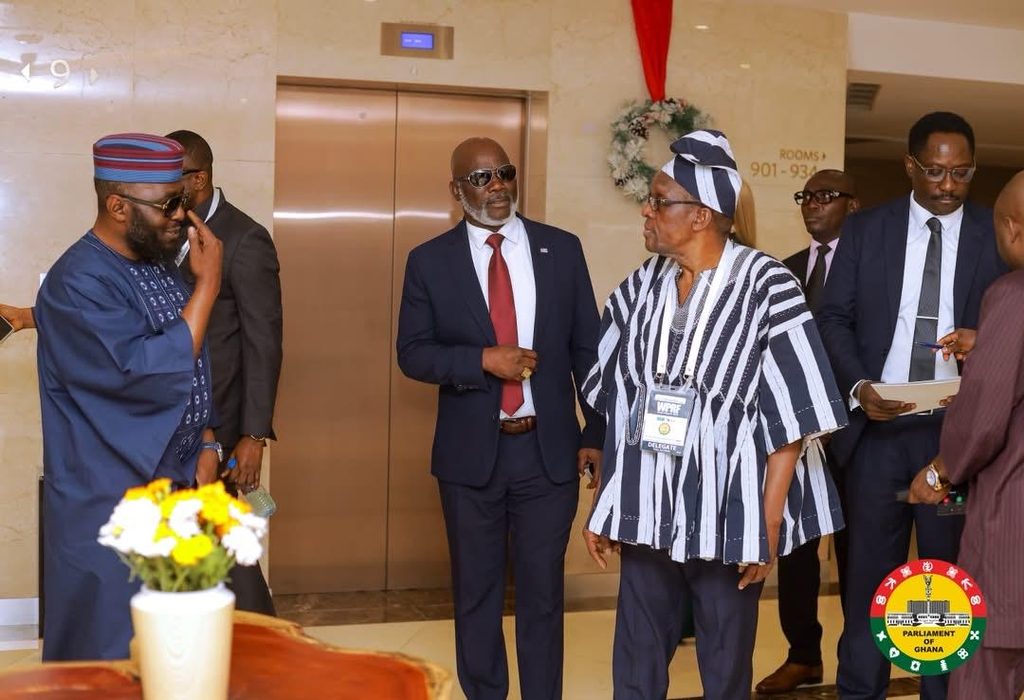
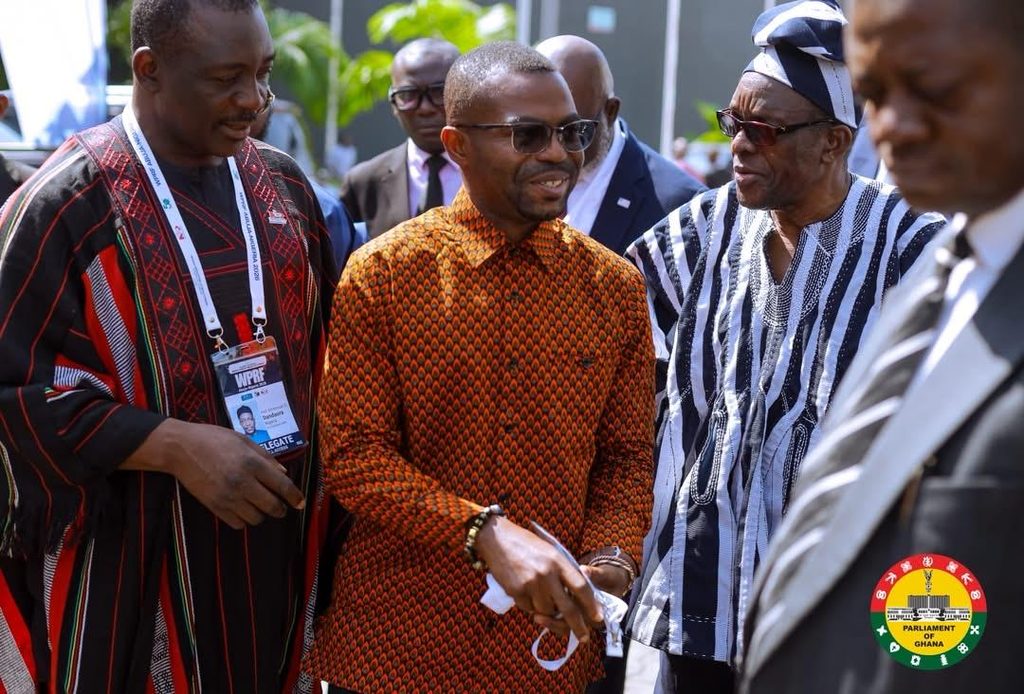
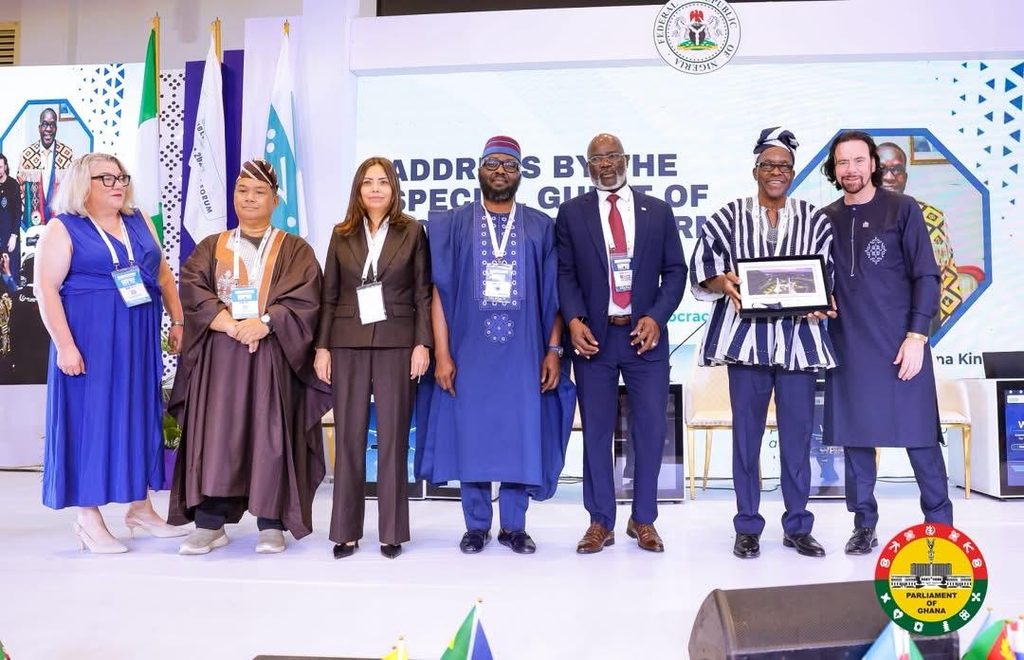
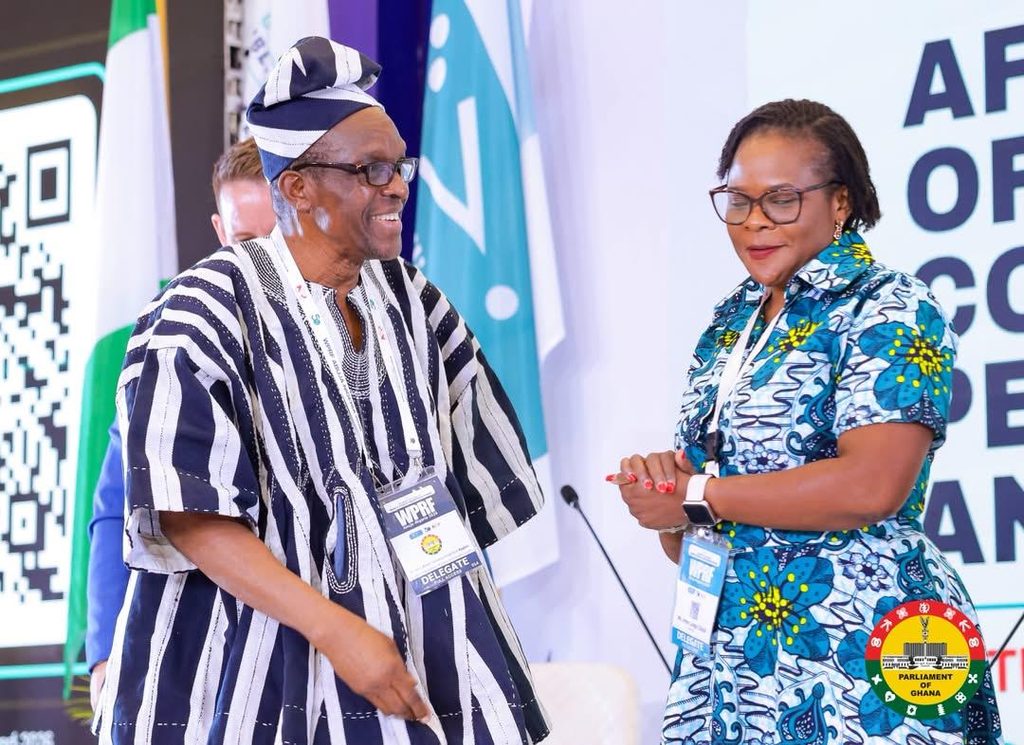
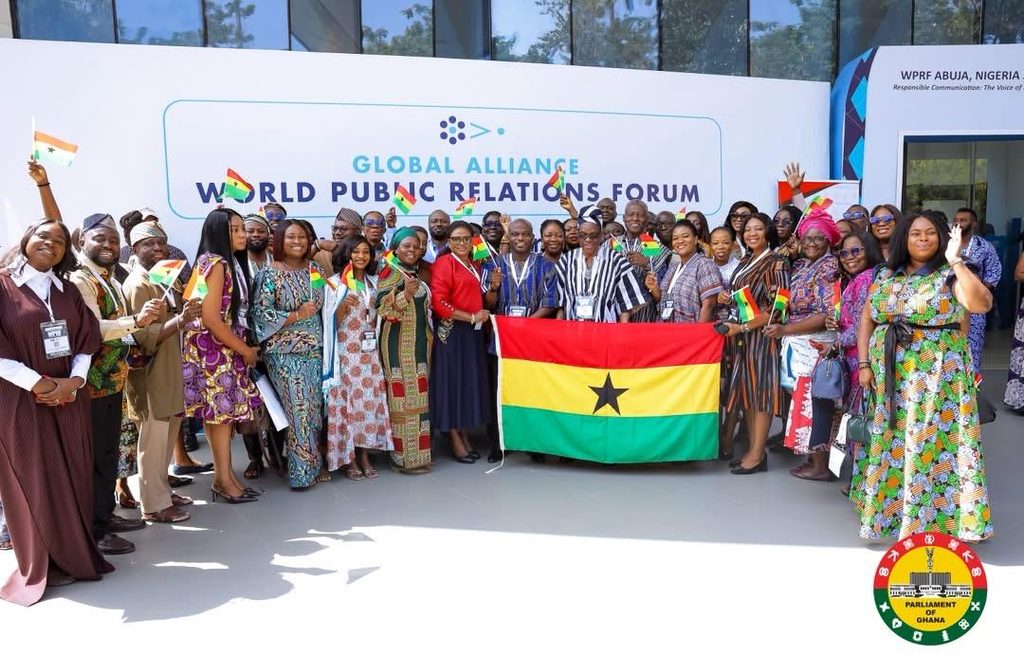
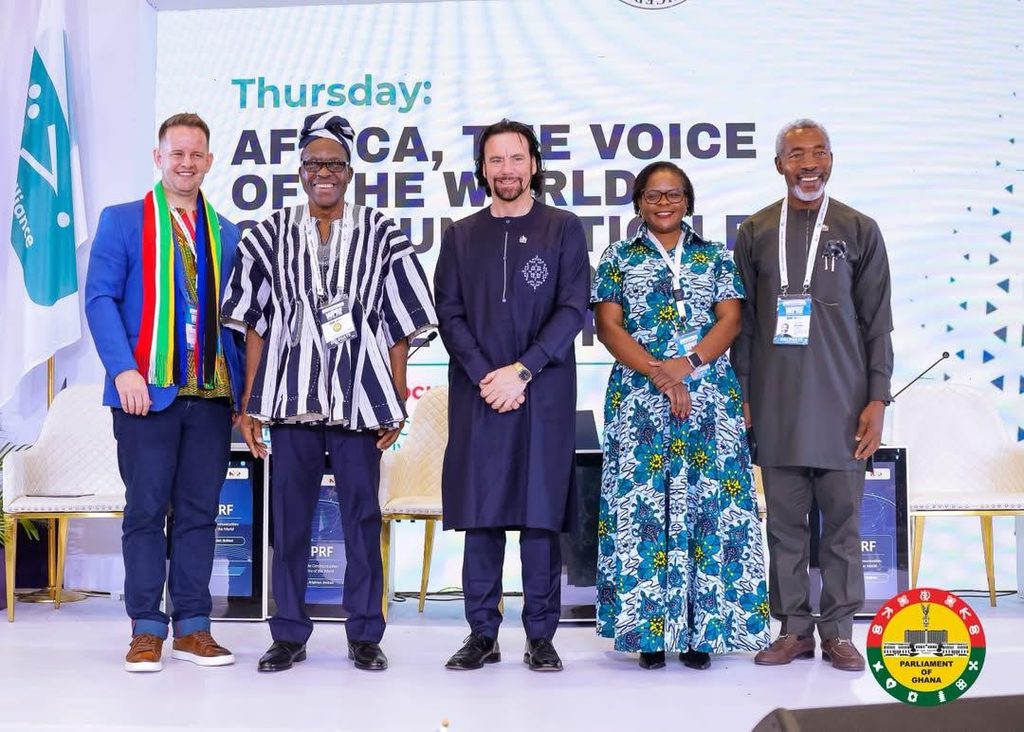
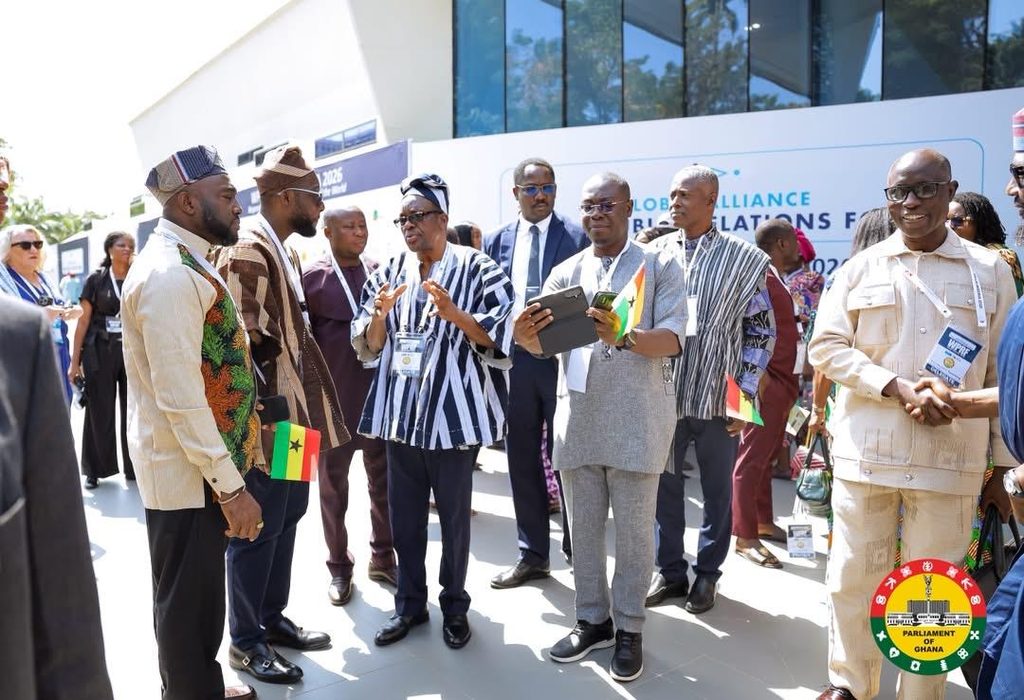
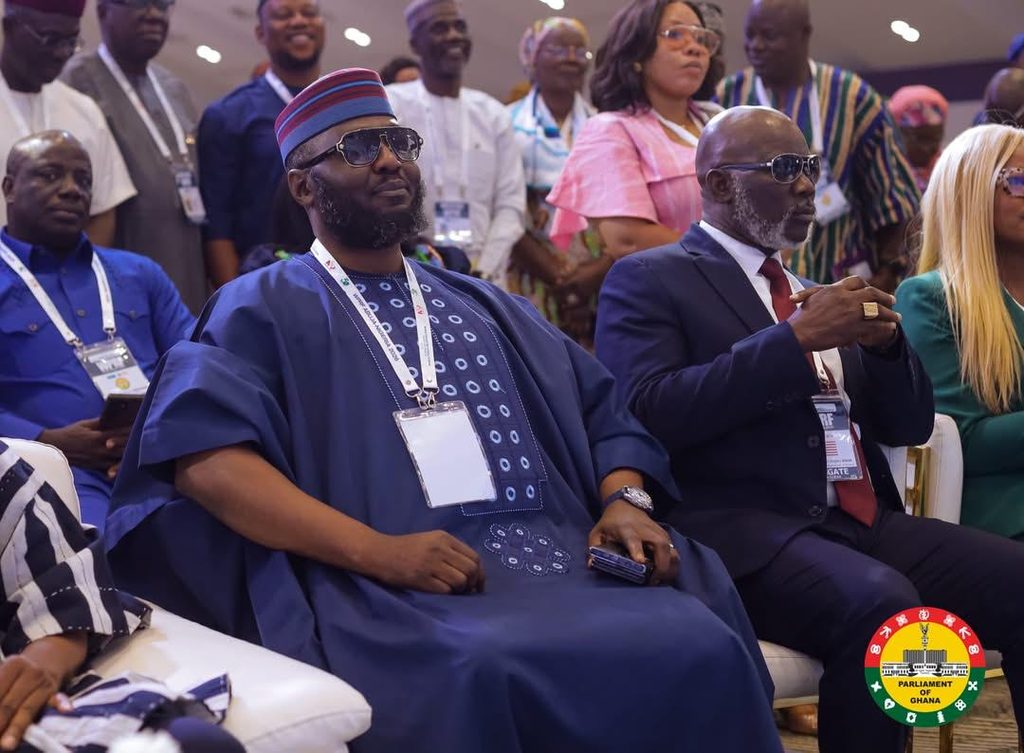
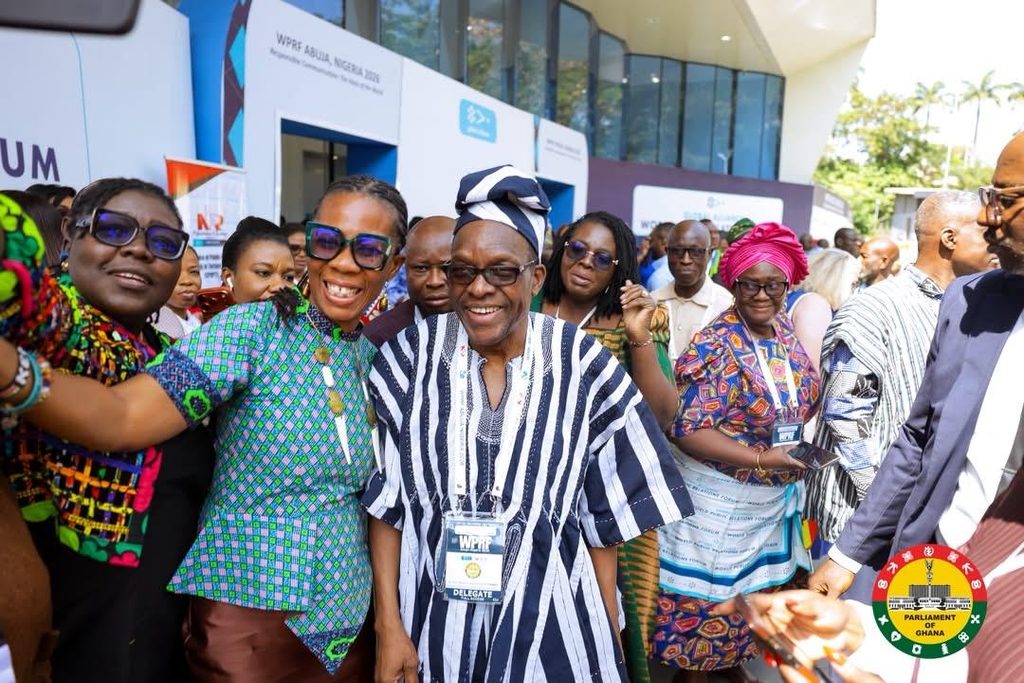
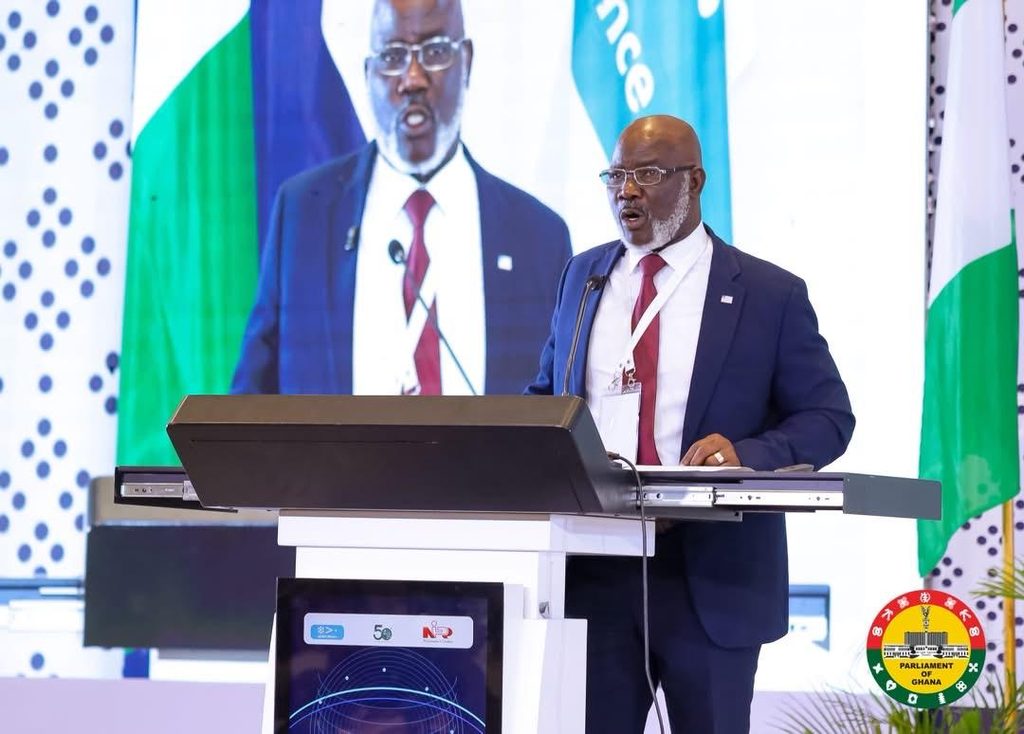
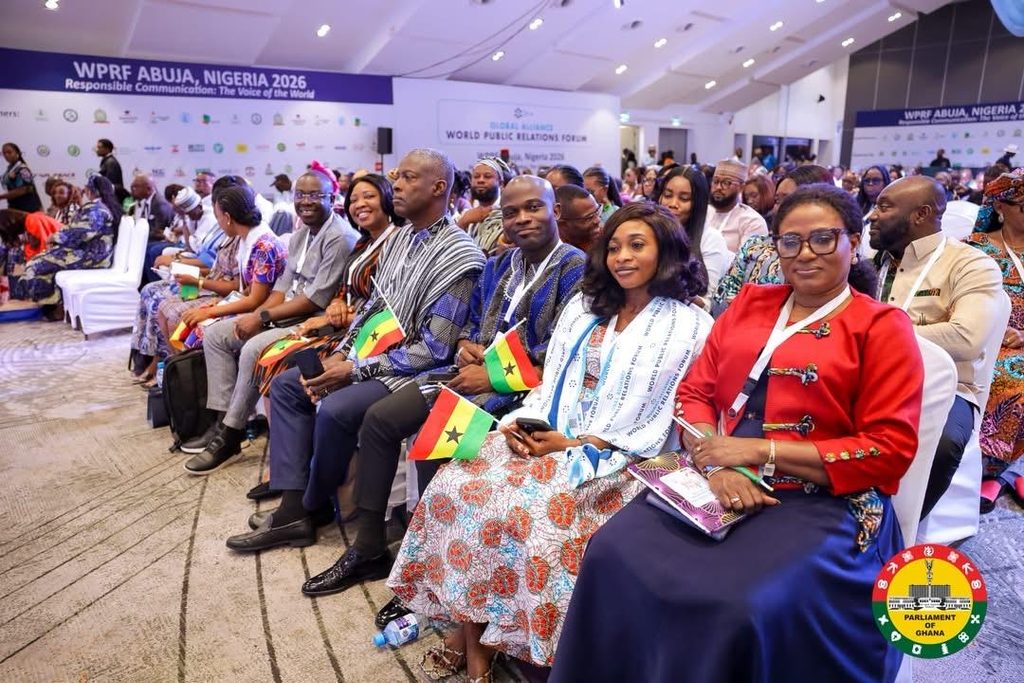
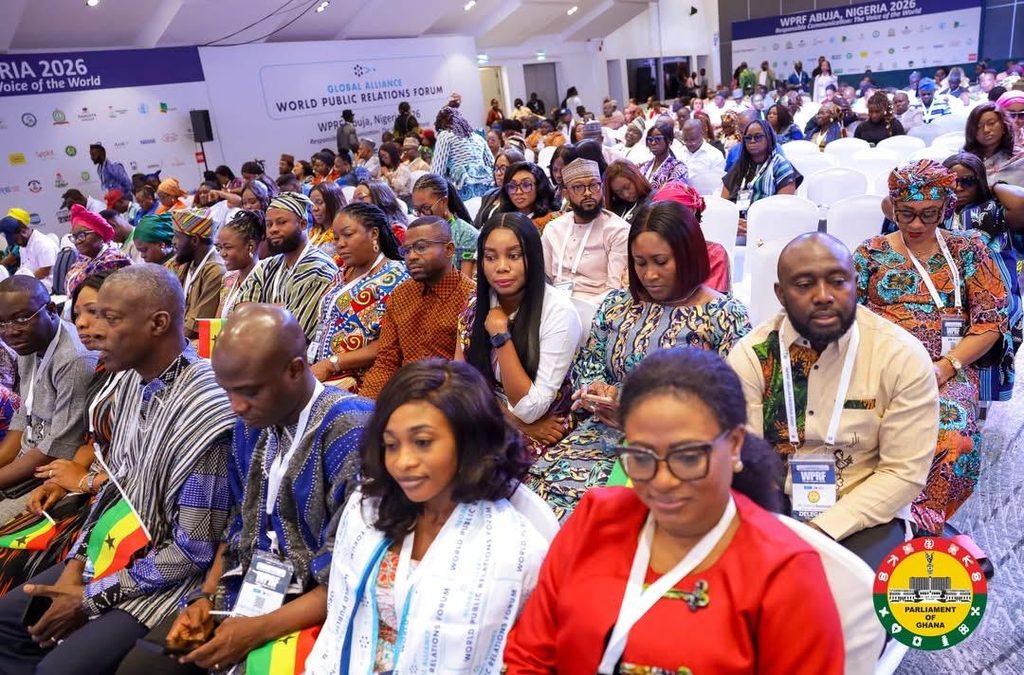
The stage was the 2026 World Public Relations Forum (WPRF) in Abuja, Nigeria, held from 15th to 22nd November, drawing over 4,000 global leaders, policymakers, public relations practitioners, academics, and communication specialists. Addressing the gathering as Special Guest of Honour was a figure whose portfolio spans continental and global governance: Speaker of Ghana’s Parliament, Chairman of the Conference of Speakers and Presidents of African Legislatures (CoSPAL), President of the African Parliamentarians’ Network Against Corruption (APNAC), and Immediate Past President of the Africa Geopolitical Group of the Inter-Parliamentary Union (IPU).
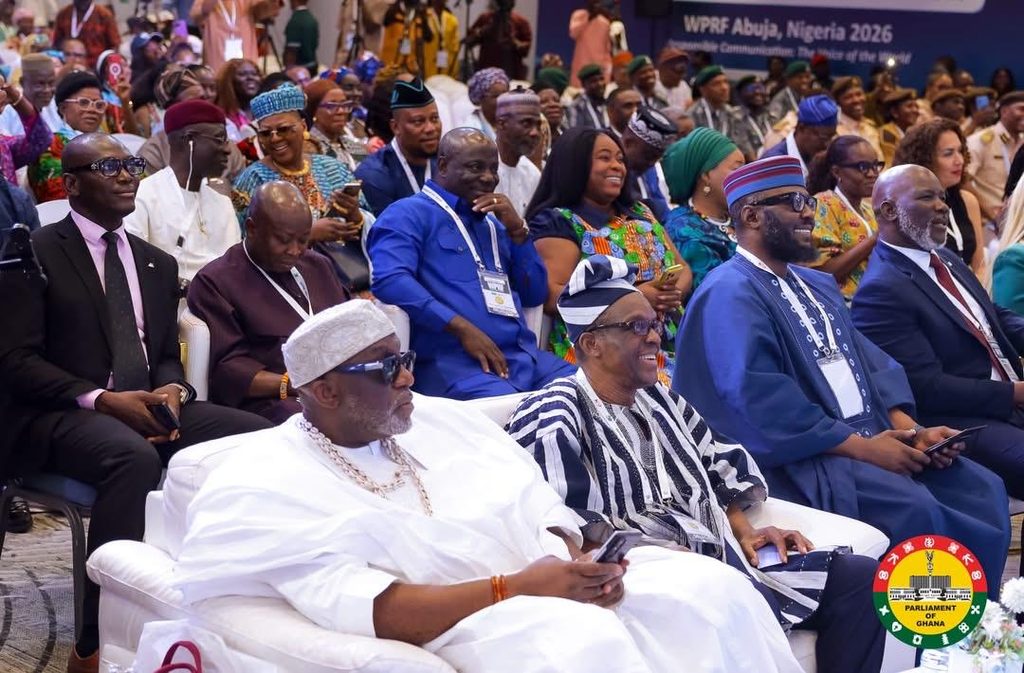
The assemblage of world leaders and communication managers hungered for the experience of one who had seen it all. They travelled from all corners of the world to learn from someone who had artfully and skillfully employed communication to transform the Parliament that he presides over. They flew into Abuja listen to a Speaker who turned Ghana’s Parliament from a closed museum where few visited into an open House which accommodates hundreds of people from all walks of life.
Speaker Bagbin’s claim to the big WPLF stage was grounded on the revolutionary and far-reaching reforms initiated in Ghana’s Parliament since he ascended to the Speakership. Guided by the philosophy that sunlight is the best disinfectant against bad governance, he feverishly began building the planks for an open, transparent Parliament hinged on participatory communication. First, he created the Broadcasting Department, Citizens Bureau, Department of Public Engagements and Media Relations Department which were tasked to broaden access of the public to Parliament, and facilitate information-sharing.
Thereafter, he launched the First Open Parliament Action Plan, which paved the way for the commencement of Parliament TV, which is currently the most-viewed TV station in Ghana. Parliament TV beams into Ghanaian homes and workplaces, live broadcasting of sittings and committee work. The station also streams live parliamentary sittings and uses Sign Language to cater for the information needs of persons with hearing impairments.
Other initiatives, including the Editors’ Forum, Time with Senior Editors, Parliament Connect, and virtual educational sessions, have sought to demystify how Parliament works, promoting public understanding of Parliament while positioning Ghana’s Parliament as a true House of Representation. Through Citizens in Focus, members of the public can engage directly with lawmakers and see constituent concerns raised on the floor, while Parliament Aayalolo takes legislative outreach directly to communities, citizens, groups, and associations to gather inputs on national issues and incorporate their perspectives into legislation.
The trophy for all these Open Parliament initiatives was Ghana’s Parliament being adjudged the most open Unicameral parliament in Africa per the 2024 Open Parliament Index.
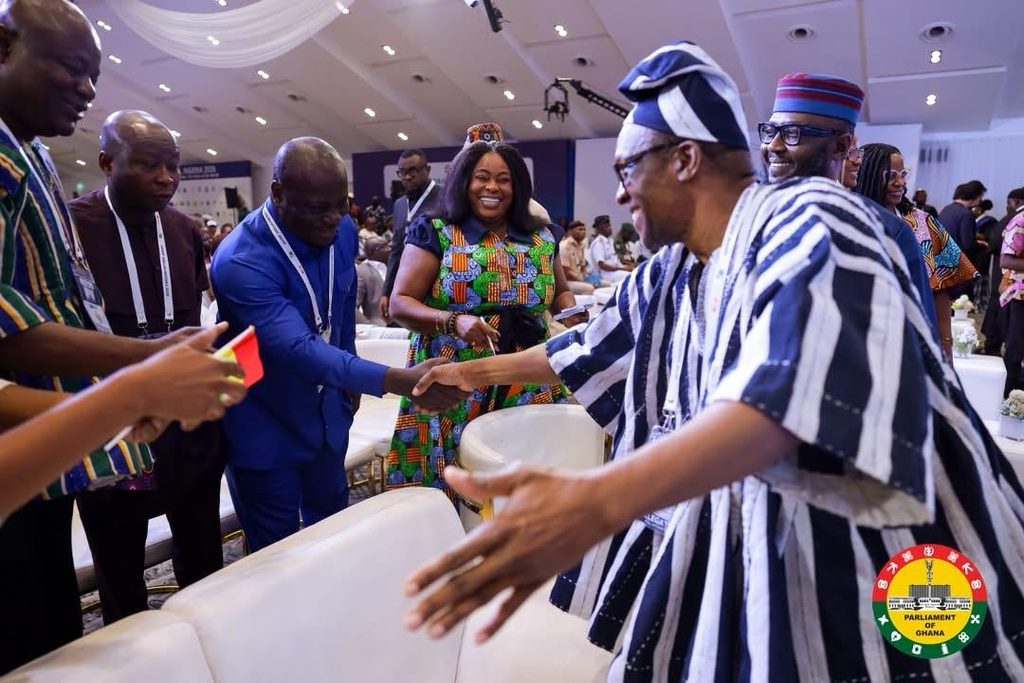
But even more important than such recognition from adjudicating Civil Society Organisations (CSOs) was that our Parliament was better placed to communicate the work of its committees, explain legislative processes and provide opportunities for citizens, CSOs, professional associations and other stakeholders to contribute to national policy discourse.
His record spoke for itself. No wonder that organisers of the event used his participation to market the Forum which drew in the numbers in droves.
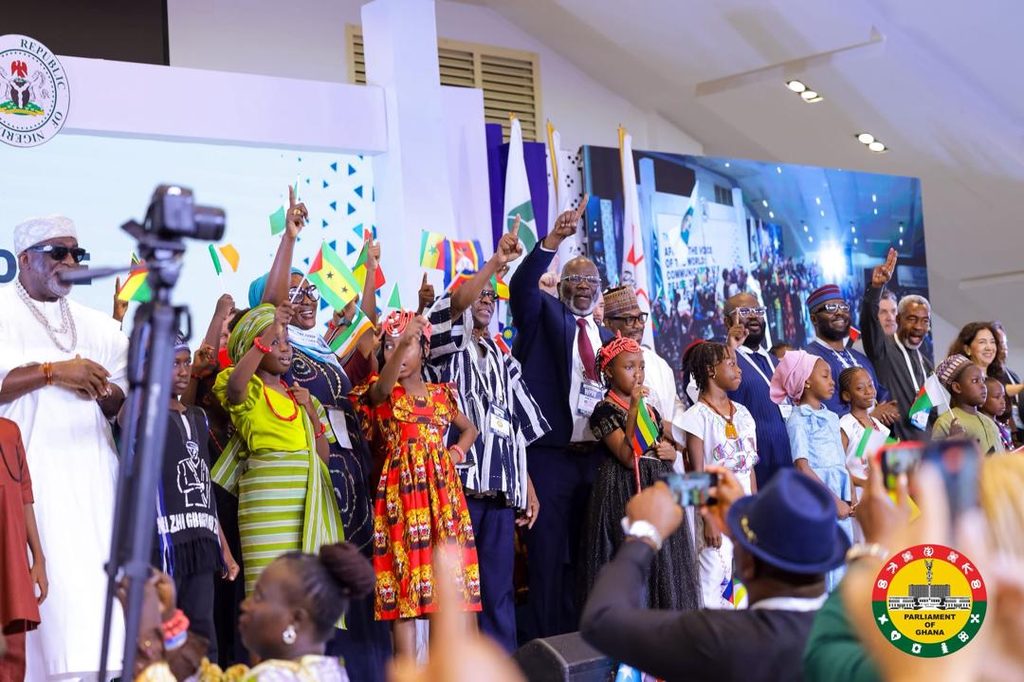
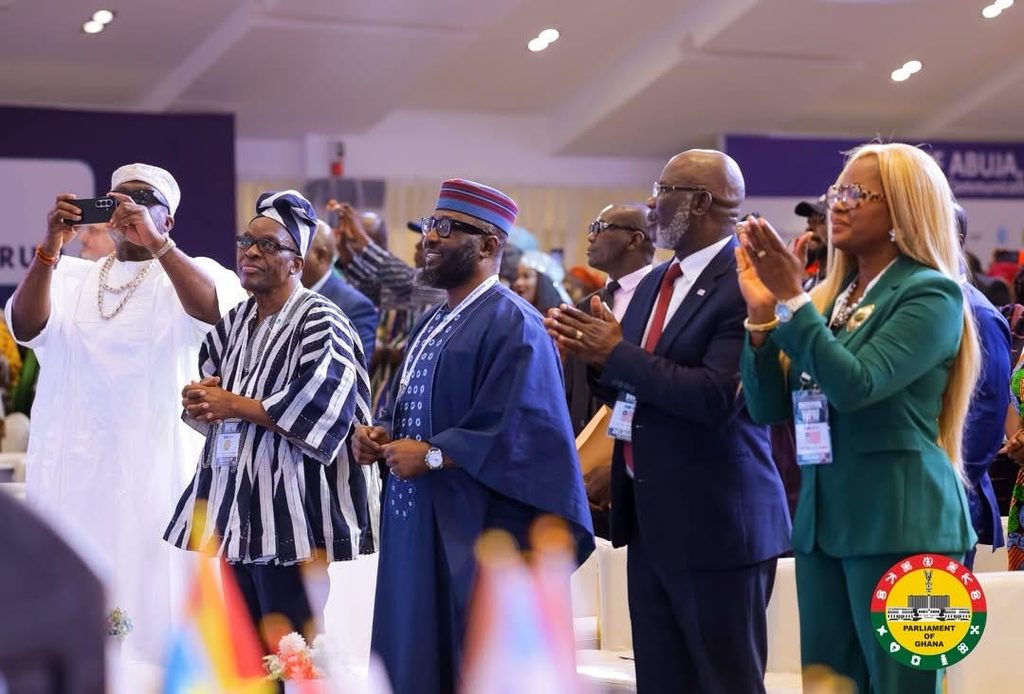
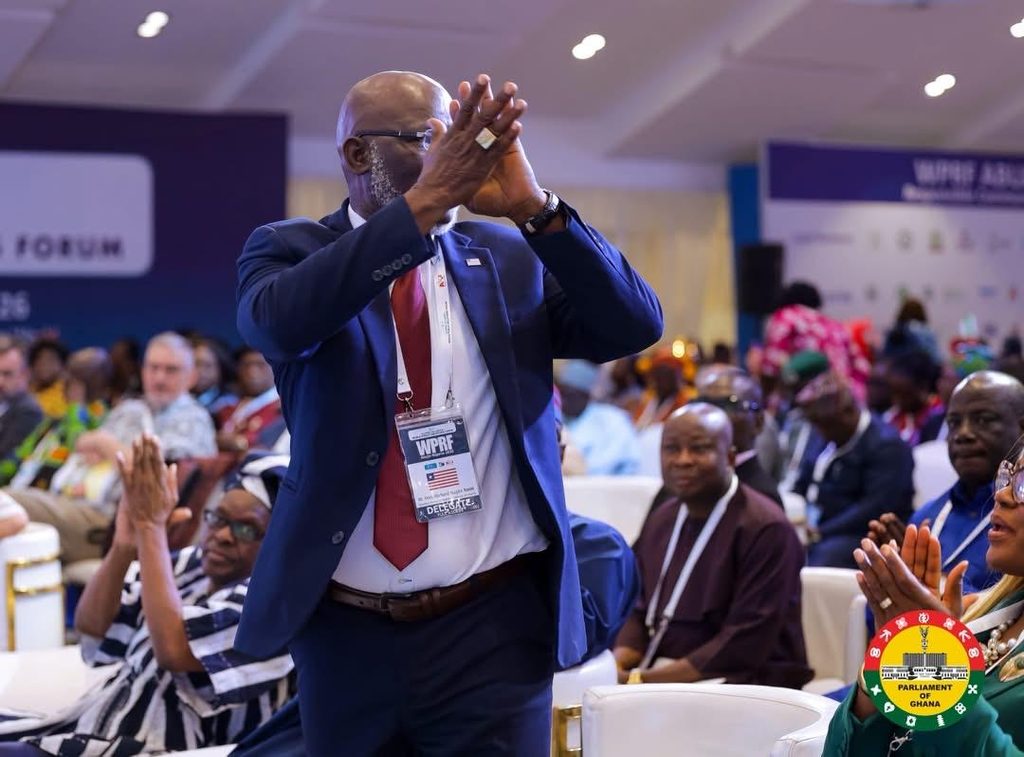
So, when the MC announced, “And now ladies and gentlemen, please rise, as we welcome the Speaker of the Parliament of Ghana and Chairman of CoSPAL …”. A frenzy of jubilation and deafening applause drowned the MC’s mispronunciation of the name, Rt. Hon. Alban Sumana Kingsford Bagbin. As though the main artiste for a show just climbed the stage, the MC was at his wits end trying to control the excitement and restore calm.
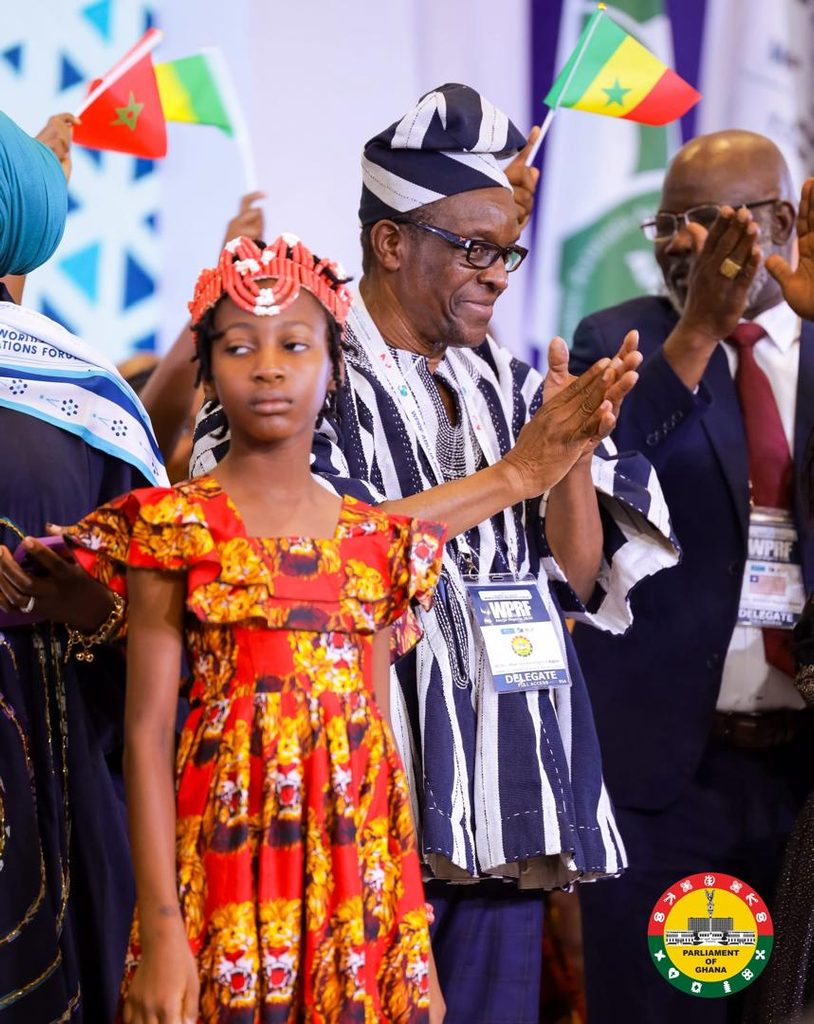
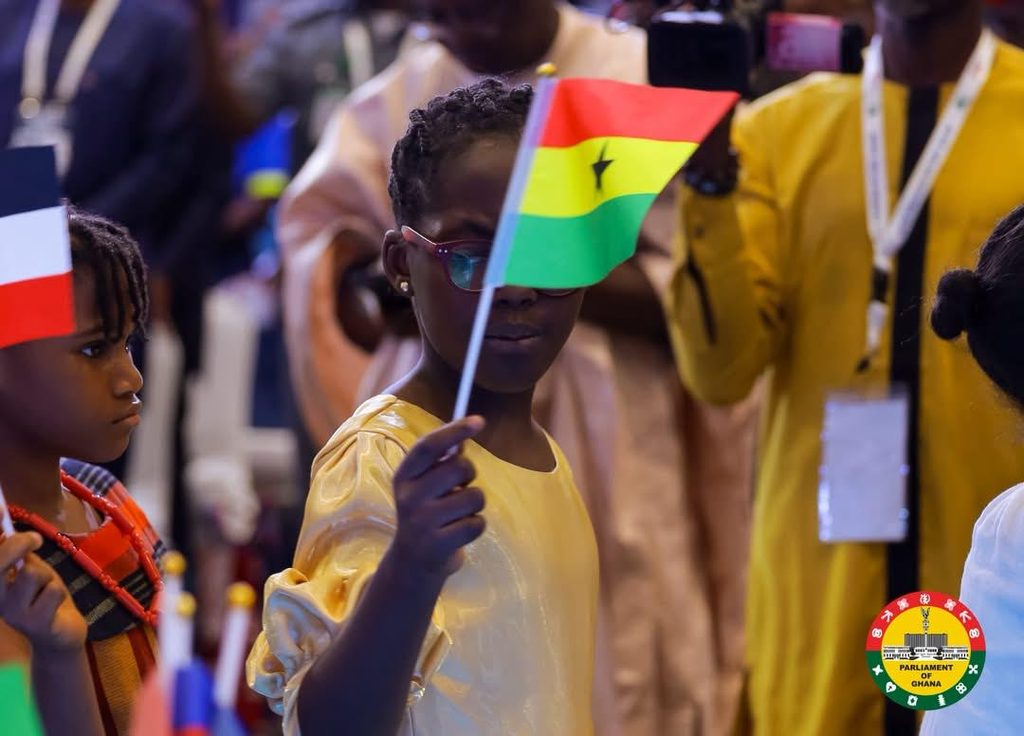
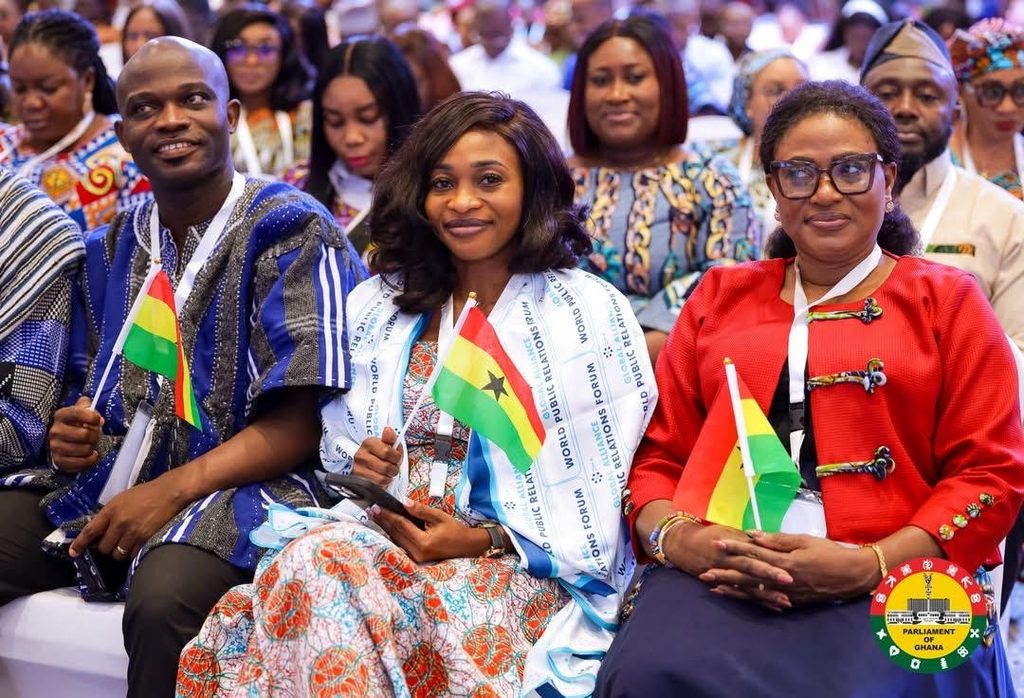
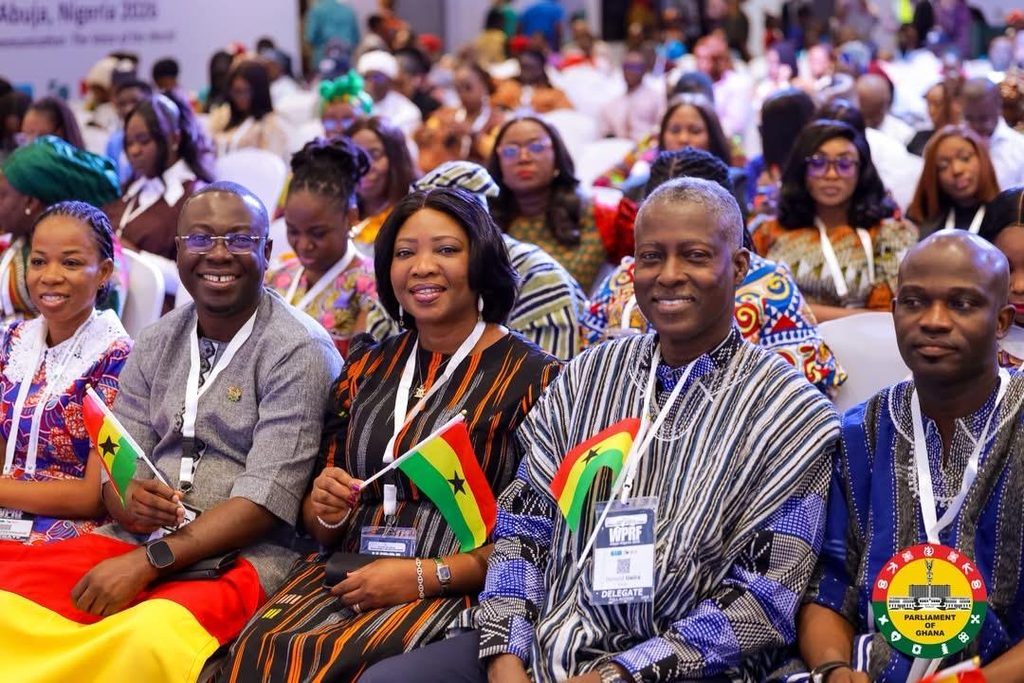
Wave, wave, wave your flag. The red, gold, green with a black star had taken over the hall. When you have a globally respected leader as Speaker of your Parliament, you can proudly proclaim your Ghanian-ness. “Father-ooo-Father, Father ooo – Father”, the motley group of Ghanaian participants chanted. Soon, the entire hall joined the chorus, “Father-oo-Father, Father-ooo-Father”. The Father of African Parliamentary democracy was on stage.
When order was finally restored, he spoke. Volumes of sense. Suddenly, the silence was loud. No ear could afford to miss this lecture. Even the hitherto noisy party-makers stopped their jama and paid heed to the Speaker.
“We need a stronger continental communication ecosystem that promotes African perspectives while embracing responsible global engagement. Mind you,this is not a call for propaganda or the selective presentation of facts. It is a call for an authentic African voice, grounded in evidence, professional integrity and confidence in our collective potential. After all, Africa’s democratic future will be stronger when every citizen has the opportunity not only to be heard, but to influence decisions that shape their future”.
“Hear, hear!” Some in the crowd chanted as though concurring with a statement made on the Floor of Parliament.
To thundering applause, he continued: “Responsible communication requires us to recognise that the freedom to communicate comes with an obligation to communicate truthfully, fairly and with due regard for the consequences of our messages. It demands accuracy rather than sensationalism, transparency rather than concealment, dialogue rather than confrontation, and public interest rather than narrow partisan or institutional interests. Importantly, responsible communication does not mean avoiding difficult conversations or suppressing dissenting opinions. On the contrary, it creates the conditions for constructive disagreement, informed debate, and peaceful coexistence”.
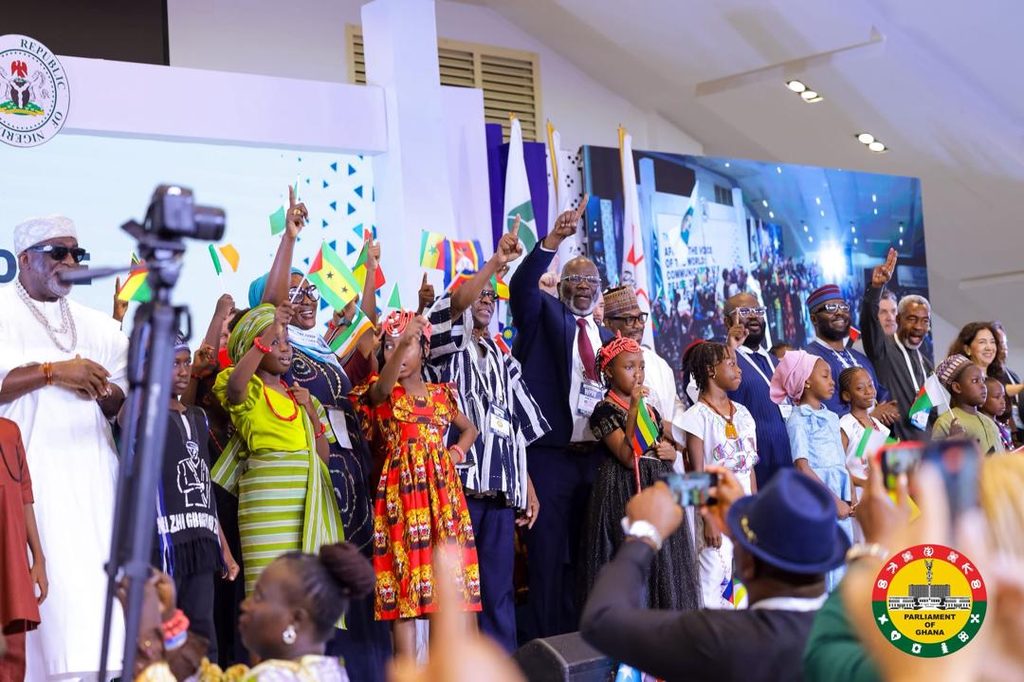
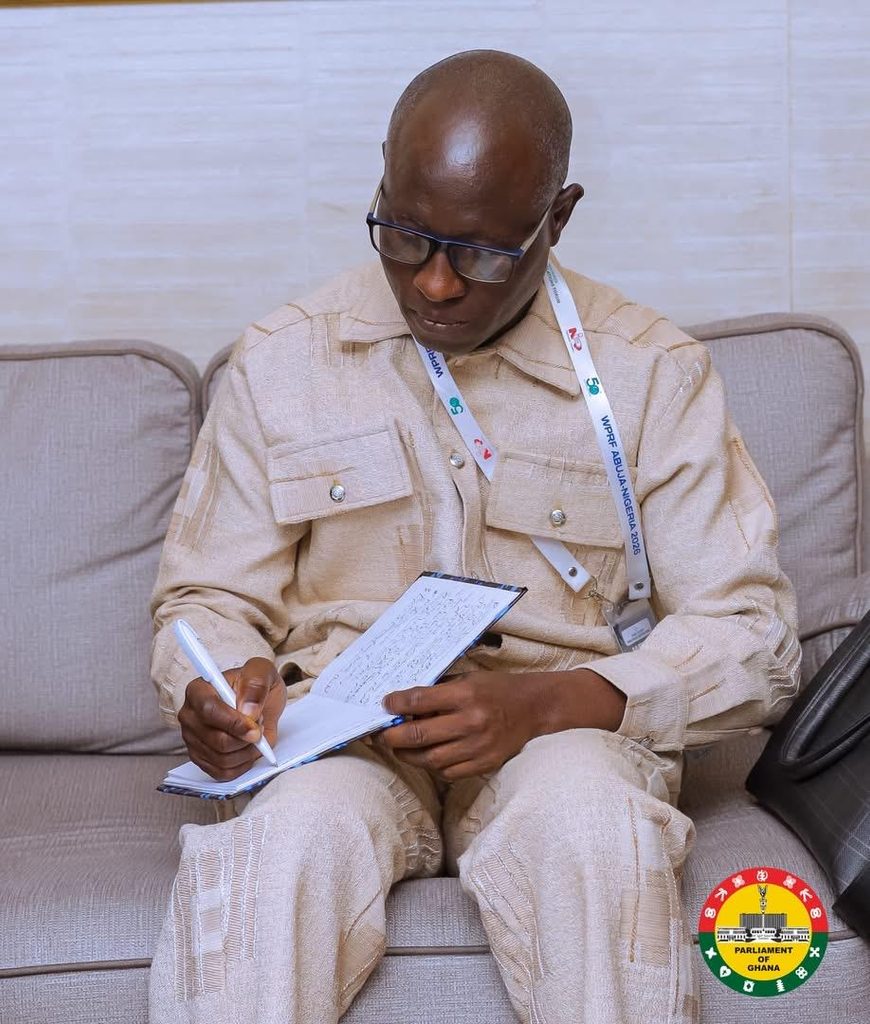
The PR professionals simply lapped up every word he spoke. Like students at the penultimate lecture before a crucial exam, the audience took notes to better their trade. You just cannot have enough of Bagbin. Not when he is in full flight lecturing democratic communication. But soon, it was time to lower the curtains.
As participants filed out of the Conference Hall to wear their dancing shoes in preparation to dig it out to Davido’s live performance, the talk of the Forum was not the President of WPRF’s speech, or Nigerian President, Bola Ahmed Adekunle Tinubu‘s message which was read by his second in command, Kashim Shettima Mustapha. The theme song was Speaker Bagbin’s admonishing: “Responsible communication is not simply the voice of the world; it must also be the conscience of leadership, the foundation of public trust and the instrument through which democracy delivers dividends for the people”.
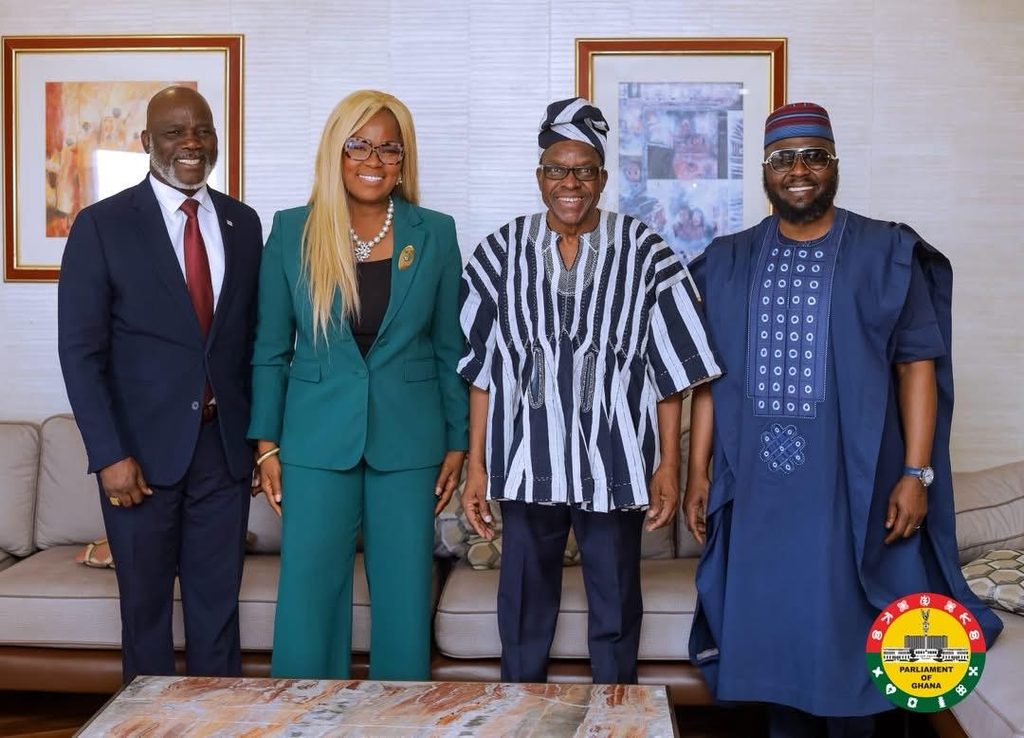
Even when participants boarded flights back to varied parts of planet Earth, the talk of the Forum was not Davido’s performance of his hit “I Know Who I Be“. The ringtone on their phones was Rt. Hon. Bagbin’s exhortation: “Africa must take greater ownership of its narratives and strengthen its capacity to shape global conversations on democracy, development, peace and international cooperation“.
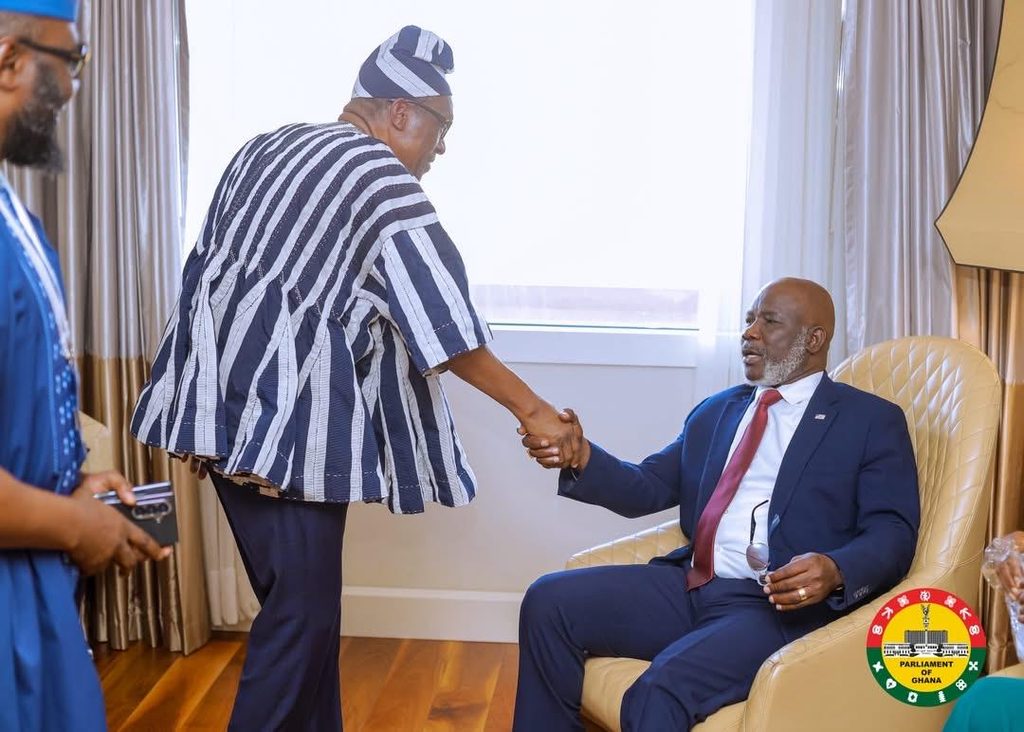
 Zakaria Rafique Seinu
 Ishmael Junourgh