 By Ishmael Junourgh
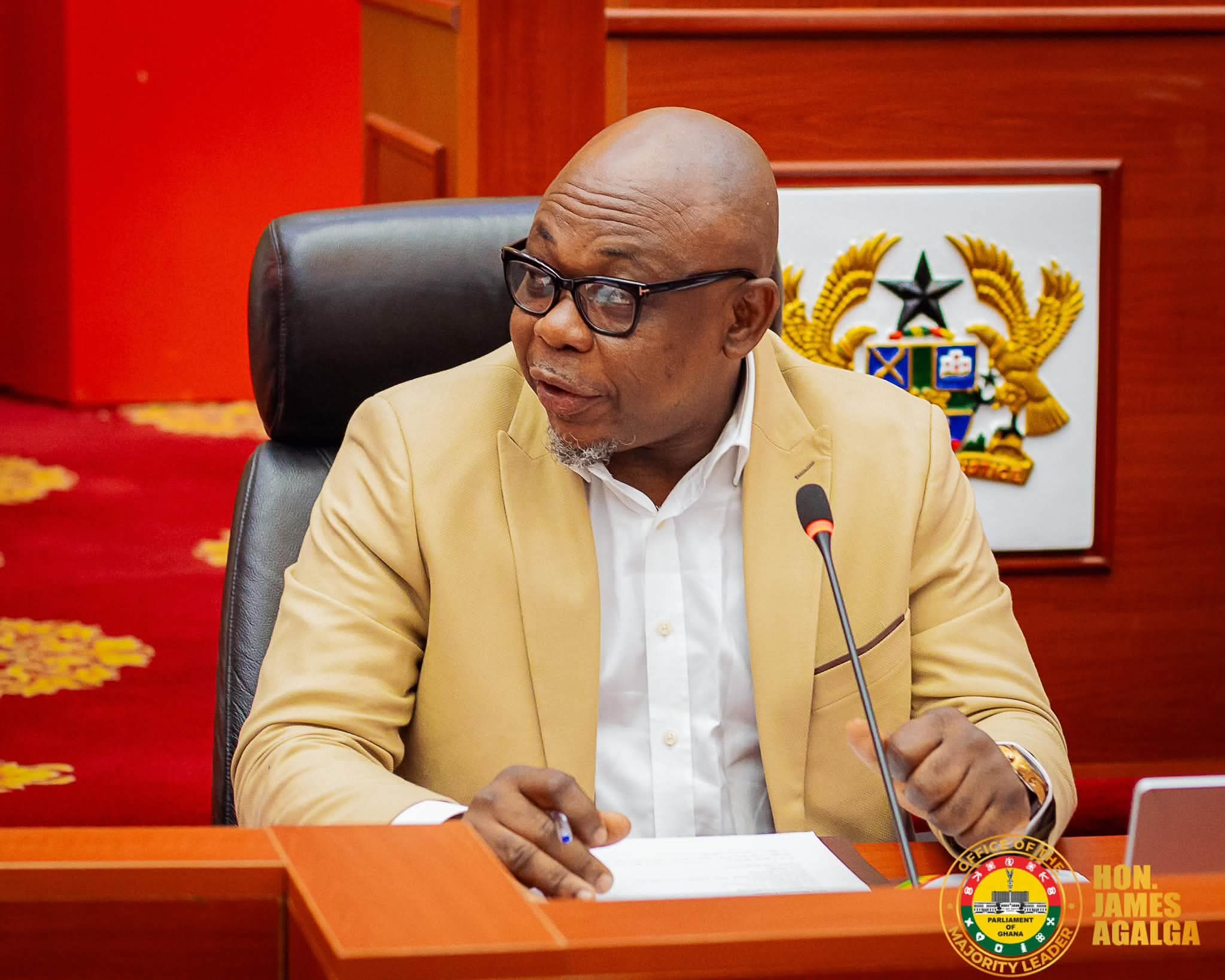
Majority Leader and Member of Parliament for Builsa North, James Agalga, has urged Members of Parliament to subject the 2027 Budget Statement and Economic Policy to rigorous scrutiny, stressing the need for evidence-based debate and value for money.
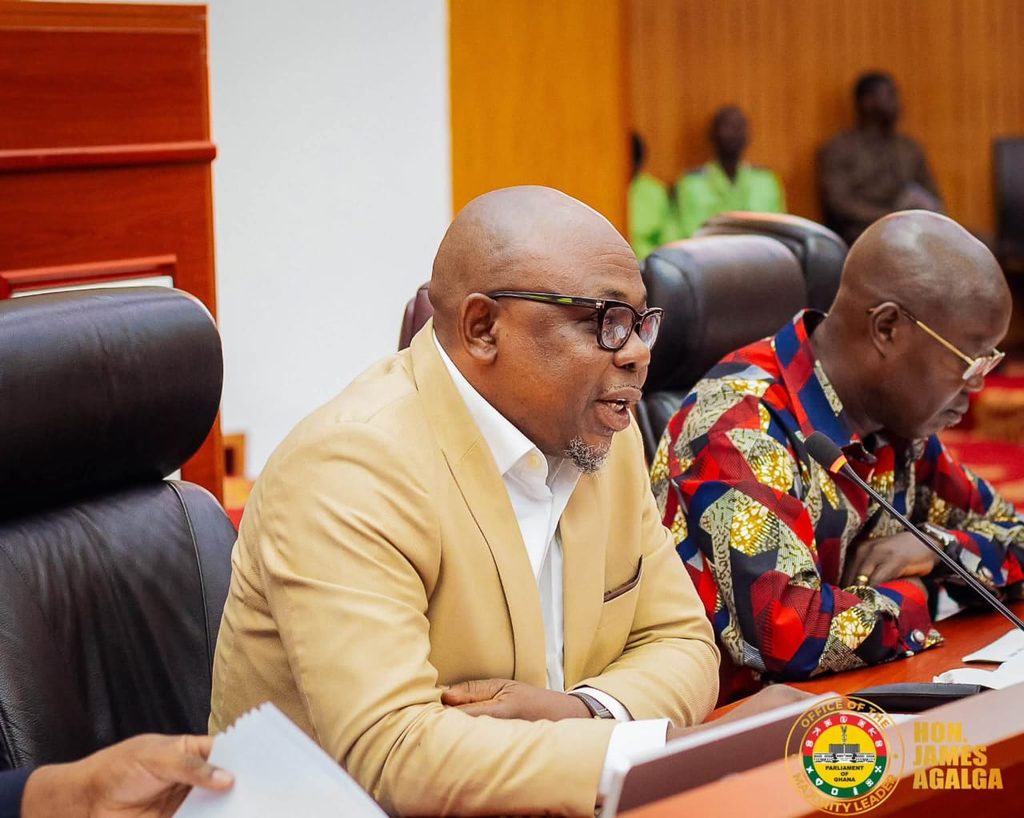
Mr Agalga made the call on Monday, November 16, 2026, when he delivered the opening remarks at a two-day Post-Budget Workshop organised in Parliament to deepen lawmakers’ understanding of the 2027 Budget.
The workshop, which runs from November 16 to 17, follows the presentation of the 2027 Budget Statement to Parliament by the Minister for Finance, Cassiel Ato Forson, on November 12, 2026, on behalf of President John Dramani Mahama.
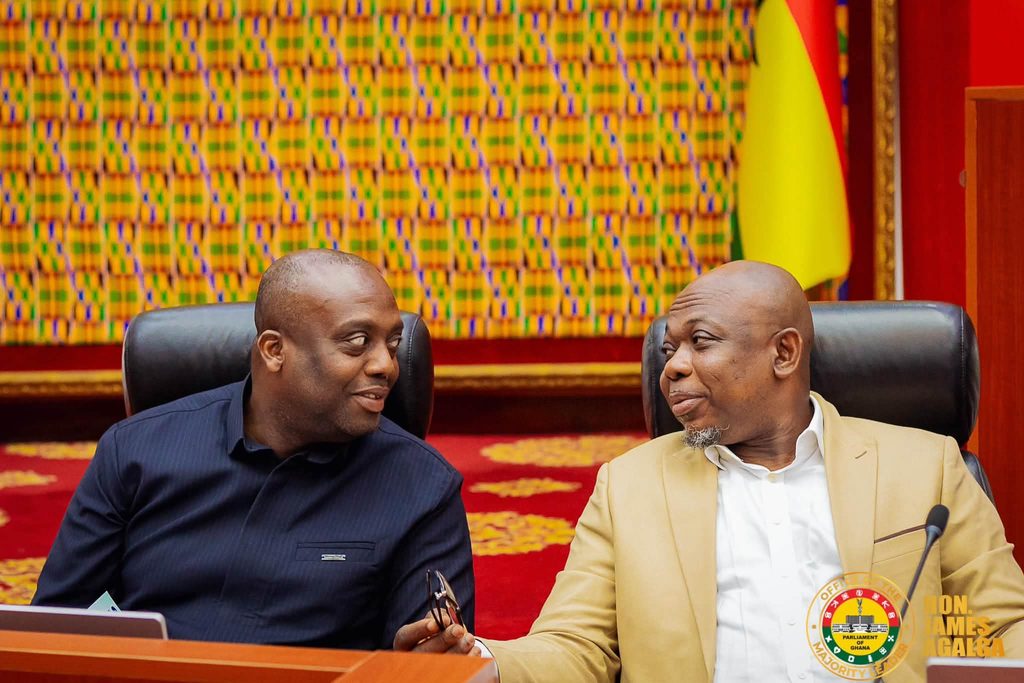
According to the Majority Leader, the workshop was not merely a parliamentary formality but an important platform for building the capacity of MPs to effectively scrutinise, debate and approve the national budget.
He said the process was essential to ensuring transparency, accountability, fiscal discipline and value for money in the management of the country’s resources.
Jobs, production and economic transformation
Mr Agalga said the 2027 Budget was anchored on jobs, production and economic transformation, with fiscal discipline and the long-term national interest at the centre of government’s economic programme.
He noted that Ghana had made significant economic progress in 2026 despite a number of domestic and international shocks.
These, he said, included a decline in cocoa prices, flooding, the fire incident at Akosombo which resulted in the loss of about 1,020 megawatts of power, as well as the US-Iran war.
He cited the fiscal deficit, inflation, public debt and international reserves as indicators of the progress made during the year.
According to him, the fiscal deficit stood at 2.3 per cent of GDP, below the three per cent benchmark, while annual average inflation was recorded at 4.6 per cent.
Public debt, he said, had declined to 47.5 per cent of GDP, significantly below the ECOWAS benchmark of 70 per cent, while the country’s reserves had risen to the equivalent of 4.5 months of imports, above the three-month minimum.
He further highlighted the absence of Central Bank financing of the budget deficit as another significant development in the management of the economy.
2027 targets
Looking ahead, Mr Agalga said the government had set a number of targets for 2027, including achieving a positive primary balance of at least 0.5 per cent of GDP.
The government also targets reducing public debt to 45 per cent of GDP, maintaining inflation in single digits and strengthening the country’s external buffers.
Beyond 2027, he said the government’s targets towards 2030 included real GDP growth of about 8 per cent, reducing unemployment to below 8 per cent, and establishing a credible pathway towards an investment-grade sovereign credit rating.
MPs urged to focus on evidence
The Majority Leader urged MPs to approach the consideration of the 2027 Budget objectively, stressing that parliamentary debate should be guided by facts and evidence rather than political rhetoric.
“Our duty now is to analyse this Budget objectively — rooted in facts and evidence, not rhetoric,” he said.
He added that debates in Parliament and deliberations at the committee level should ultimately contribute to ensuring value for money while protecting the welfare and interests of Ghanaians.
Mr Agalga expressed appreciation to the Speaker of Parliament, parliamentary leadership, the Clerk, Management and staff of the Parliamentary Service, as well as resource persons who contributed to making the workshop possible.
“Let us do this work well — for Ghana, and for the people we serve,” he said.
 Zakaria Rafique Seinu