
 By Johannes Jafo Akunatu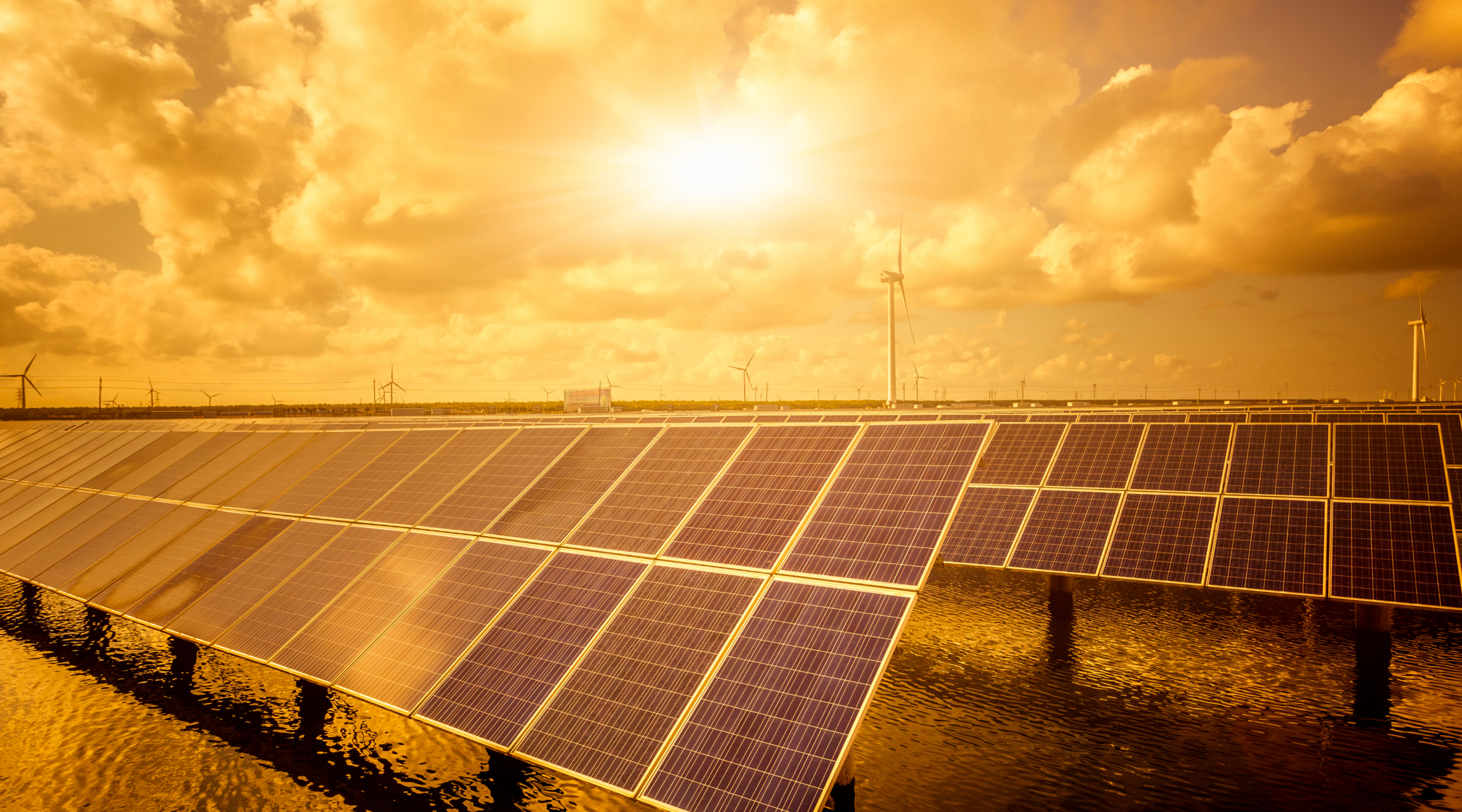
These issues of poverty, migration, insecurity and climate vulnerability have been the topic of national discourse on Northern Ghana for years. Those are very real challenges and need to be addressed. The also mask another reality that is under-represented. Northern Ghana has one of the most valuable economic resources in the country. It is not a piece of land. It glistens above it each and every day.
Communities have been facing the hardships of a hotter sun for years, as it dries up rivers, roasts farmland and increases the length of the dry season. This same sun, however, is today one of the world’s most valuable sources of clean energy. Fossil fuel-dependent nations are now scrambling for the expansion of solar energy. They understand that clean energy is more than just environmental protection. It is also an economic growth and energy security and long-term competitiveness. The world is on the path of a clean energy future and nothing makes Ghana more deserving to be part of this journey. Northern Ghana must play a leading role in achieving a secure, affordable and resilient energy system for Ghana.
The evidence is there, and it clearly supports the point. The solar radiation received in Ghana ranges from 4 to 6.5 kWh/m2/day, which is conducive for solar energy development. The solar radiation is the highest in the northern belt which is the most favourable belt for large scale solar projects in the country. The sun is abundant in Ghana, with most areas getting 1,800 – 3,000 hours of sunshine per year. Parts of the country particularly Wa, Upper West Region, get some of the most hours of sunshine in the country making it one of the sunniest in Ghana. The above conditions make Northern Ghana one of the best solar energy resources in Ghana for Photovoltaic power generation and solar thermal applications.
This isn’t just a ideological benefit. It is perceptible and lasting. It rises in the morning without fuel imports, foreign exchange stress and without exposure to volatile international energy prices.
Geography has influenced economic success throughout the world. The oil revolution changed the face of the Gulf States. Europe’s industrial revolution was fueled by rivers. Powerful winds developed new businesses in the northern part of Europe. The northern part of Ghana’s comparative advantage is its sunshine. It is not a question of whether the region is resource-rich or not when it comes to solar resources. If the opportunity is that big, then the question is why hasn’t there been a similar national investment.
As industries grow, cities expand, and people in Ghana are getting more electrical appliances, the demand for electricity continues to increase. For decades, the nation’s reliance on hydroelectric power has been a blessing in disguise, but with increasing variations in rainfall, the country is facing a growing need to be mindful of its reliance on water. Long dry seasons lead to low reservoir levels and strain the electricity generation. Thermal plants make up for the remainder, but they rely on imported fuels which are subject to international price changes.
Solar energy changes that equation
The sun does not bring in foreign exchange. It is not reliant on rainfall like hydropower. It generates electricity without contributing to greenhouse gas emissions or to increasing fuel costs to the economy, as is the case with diesel generation. Solar energy helps boost energy security because if there is any disruption in the primary energy source it is not international conflicts, shipping disruptions, or commodity price shocks.
Northern Ghana is a perfect place for this trans-form, as the geographical area of the region is rich in the solar resources along with the abundance of the same resources too. Community systems, typically on a smaller scale, can provide electricity to households, markets, irrigation schemes, clinics, schools and communities where electricity is unreliable, and large utility scale solar systems can coexist with agriculture.
This is where an energy policy turns into a development policy
Electricity is frequently referred to as an infrastructure problem. So, in fact it governs nearly all spheres of economic activity.
Vaccines are kept cold in rural clinics with reliable electricity. It lights laboratories which diagnose diseases. It enables the safe functioning of maternity wards in the evening. It is suitable for a digital classroom and computer laboratories. It helps farmers to irrigate their land and protect themselves from the absence of rainfall. It can be used as a source of power for grain mills, cold storage, welding and tailoring shops, rice mills and small manufacturing units.
A stable supply of electricity is one of the environmental factors that can help businesses thrive, increase their efficiency and increase their production. Household incomes increase. They get less inclined to migrate as opportunity gets closer to home.
Ghanaian businesses know the value of electricity better. Small businesses spend a lot in electricity bills. Farmers suffer income losses as a result of being unable to preserve their products erratic power supply. Young businessmen have difficulty in setting up a business which demands a continuous supply of electricity.
These are many of the problems that solar power can solve
Northern Ghana has a strong case to lead Ghana’s green energy transition. Its agricultural economy and abundant renewable energy resources makes it a natural choice to drive this transformation.
Northern Ghana is one of the key regions for food production in Ghana. Maize, rice, millet, groundnuts, soybeans, onions, tomatoes and vegetables which are used to feed households across the country are being grown by farmers. However, rainfall is also very critical to agricultural output.
Solar-powered irrigation turns that reality on its head
Farmers have more control over the water supply as opposed to waiting for the rainy season. Several cuttings throughout the same year can be allowed. Crop losses decline. Household incomes improve. Even for extended dry periods, food production is more stable.
The advantages are not limited to irrigation. The use of solar minimizes cold storages post-harvest losses which continue to plague many farming communities. Rural farmers can sell their produce when it reaches a low-quality level or when market prices are low, or they can process and supply the products to the market at higher prices. However, rural farmers have the option to potentially sell their produce in a reduced quality or reduced market price, or to process and sell their produce in a higher market price.
Clean energy is thus an investment in agriculture, a food security measure and an employment programme in rural areas.
Much of this potential is already recognized as such by government policy. The northern belt is the metered country’s best solar resource, and the Renewable Energy Master Plan has called for increased investments in the development of utility-scale projects, mini-grids, off-grid, agricultural use, and local manufacturing activities that are connected to the renewable energy sector. It also aims to decarbonise energy generation significantly, and enhance electricity connectivity in off-grid communities by 2030, through increased renewable energy production.
Those dreams should be stronger to be implemented=
What should not happen, however, is for northern Ghana to become a host to only solar projects. It needs to be the core of the renewable energy economy in Ghana.
That vision is far more than the production of electricity
Specialised programs on renewable energy engineering, solar installations, battery technology, and grid management can be rollout at the technical universities in Tamale, Wa, Bolgatanga, Navrongo, and other northern universities. There is a possibility to assemble solar parts locally in the Northern sector. VET can provide hands-on training for young technicians. Private investors can create maintenance centres which will cater for projects in Ghana and other neighbouring countries.
Rather than importing almost all the components of a solar installation, Ghana can slowly develop its own expertise and foster greater involvement in the country’s economy. These would be available in construction, engineering, transport, manufacturing, maintenance, research, software development, and technical education.
The economic effect would not just be on electricity; it would be on the wider economy
Northern Ghana has already attracted significant investment in solar energy. The solar plants in Kaleo and Lawra, along with earlier projects such as the Navrongo Solar Power Plant, have shown that commercial scale solar power generation is both practical and technically viable in northern Ghana. Rather than stand alone as successful examples, these projects should lay the groundwork for a broader national programme.
The climate case adds to the economic case
The region of Northern Ghana is already facing a rise in temperature, changes in rainfall and growing stresses on natural resources. Every growing season, communities have to deal with the effects. The growth of renewables lessens reliance on fossil fuels and ensures that Ghana has the capability to both achieve international climate targets and secure green investments, which are becoming more and more attractive to countries with credible renewable energy plans.
Investment capital now rides on countries that are prepared for the low carbon economy. Ghana has the natural conditions to vie for that investment. Northern Ghana has the best prospects for doing this.
Government is thus presented with an important decision. It can see Northern Ghana as an area that needs to be socialized from time to time or it can acknowledge the north as one of Ghana’s best economic assets.
History is the record of countries that discovered their natural assets before others
The daily sunshine in Northern Ghana is an untapped and extraordinary source of economic value. It can enable powering homes and bolstering agriculture, industry, investment, and lower the cost of energy, education, healthcare, employment, and local economies.
Ghana’s energy transition is not some far-flung laboratory experiment or an imported technology. It starts in the clear skies of Northern Ghana, where one of Africa’s most plentiful sources of solar power awaits a level of commitment on the national stage that is commensurate with its potential. The sun has already played its part. Now it’s the job of national leadership to turn that gift into lasting prosperity.
 Ishmael Junourgh