
 By Ishmael Junourgh
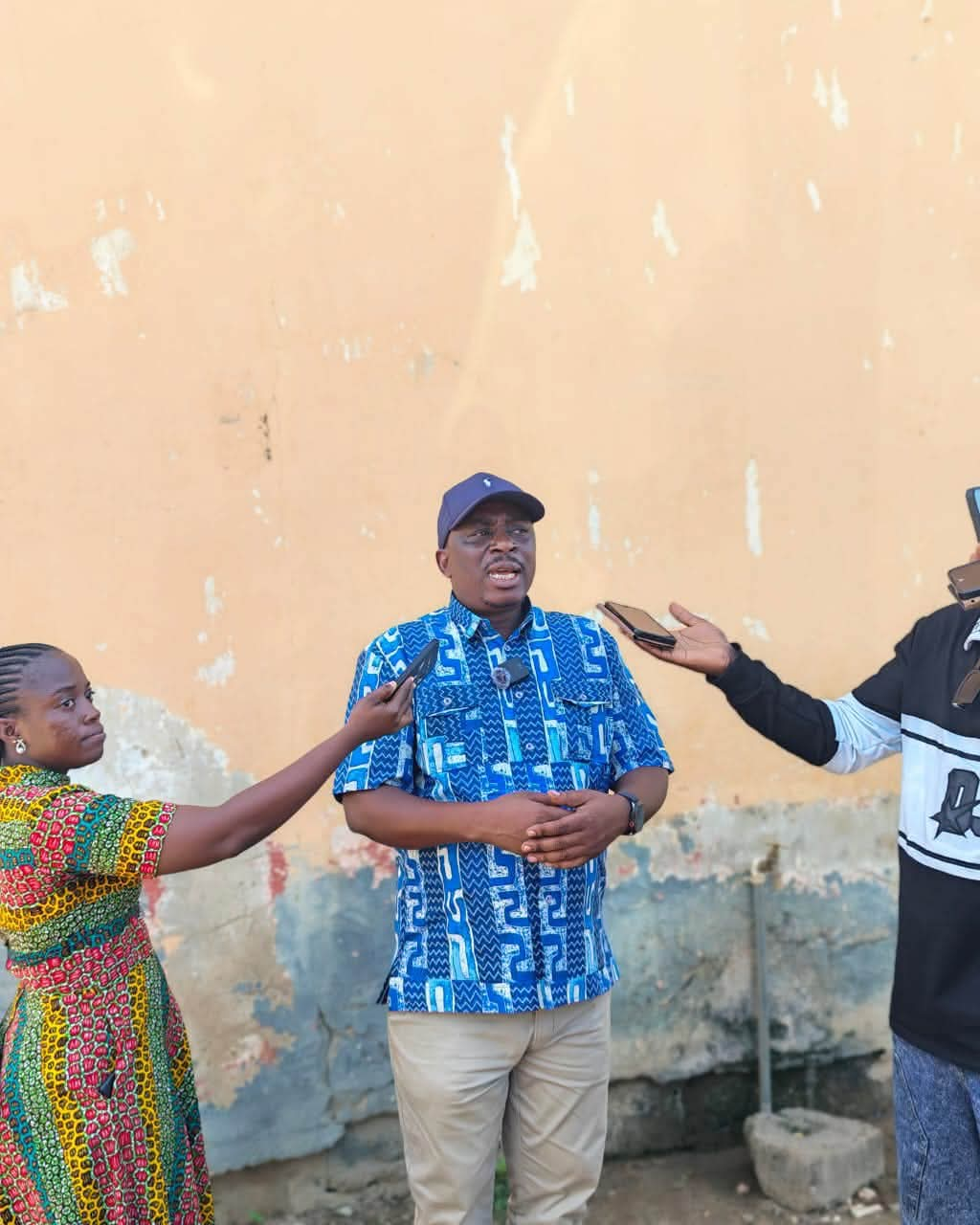
In rural communities such as Tinga, access to healthcare is about more than having a health facility within reach. It is also about whether the facility has the medicines, equipment, personnel and essential supplies needed to save lives when patients walk through its doors.
It is against this backdrop that the donation of essential medicines and medical supplies to the Tinga Health Centre by the Deputy Chief Executive Officer of the Driver and Vehicle Licensing Authority (DVLA), Iddisah Seidu Yeboah, has drawn attention to the wider challenges confronting healthcare delivery in the Savannah Region.
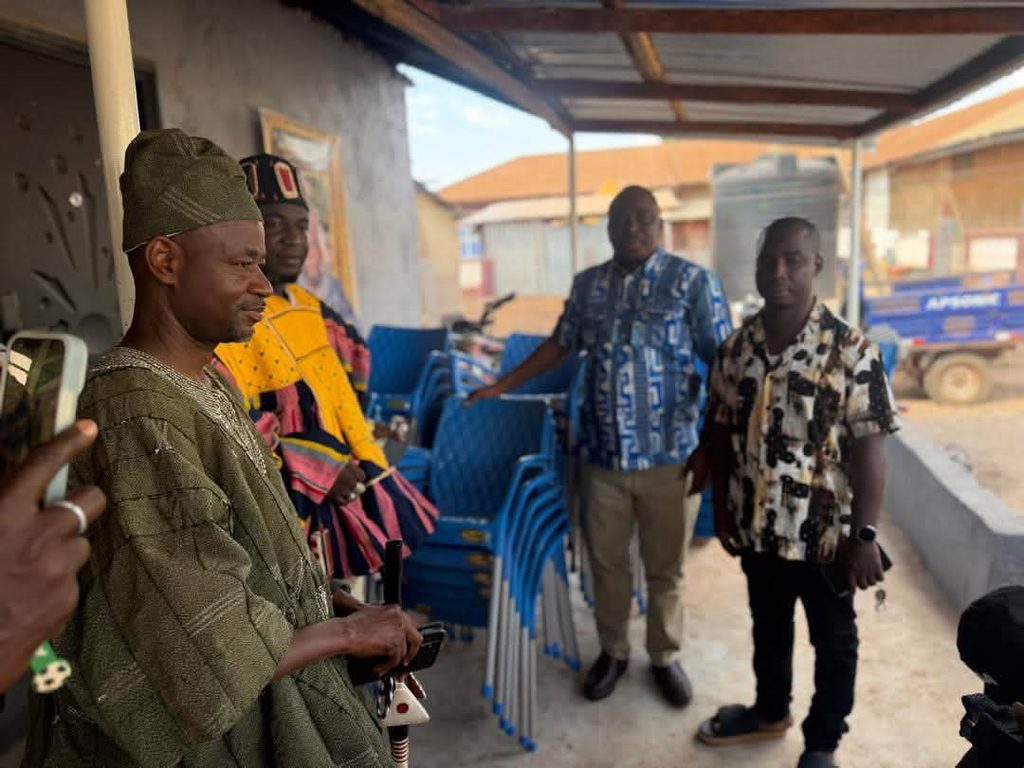
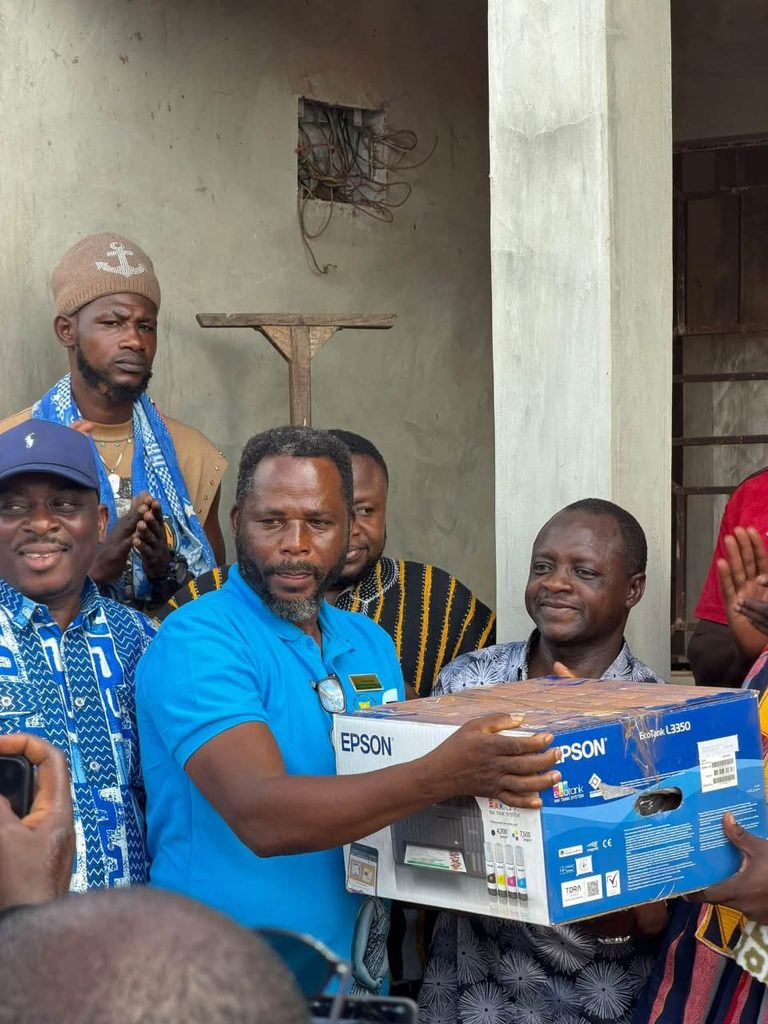
Yeboah made the donation on November 13, 2026, presenting essential medicines, non-drug medical consumables, detergents, antiseptic agents and office equipment to support the operations of the facility. Chairs were also provided for the health centre and the Tinga Chief’s Palace.
The intervention represents a contribution towards improving the working environment of the health facility and supporting healthcare professionals in their efforts to serve residents of Tinga and surrounding communities.
However, beyond the items presented, the visit raises an important development question: how adequately equipped are rural health facilities to respond to the healthcare needs of the populations they serve?
Across the Savannah Region, geographical isolation, long distances between settlements and limitations in public infrastructure can make access to healthcare particularly challenging. For residents in remote communities, seeking medical attention may involve considerable travel, additional transportation costs and difficulties accessing specialised services.
The implications can be particularly serious for pregnant women requiring maternal healthcare, children needing urgent medical attention, older persons and patients whose conditions demand timely intervention.
A health centre may stand at the heart of a community, but its ability to deliver quality healthcare depends on much more than its physical presence. Regular supplies of essential medicines, functional equipment, adequate staffing, reliable electricity and water, and effective referral arrangements are critical to ensuring that patients receive the care they need.
These concerns point to the need for sustained investment in rural healthcare infrastructure across the Savannah Region, rather than interventions that address immediate needs without necessarily resolving the underlying structural challenges.
Beyond Healthcare: Engagement with Boresa Radio
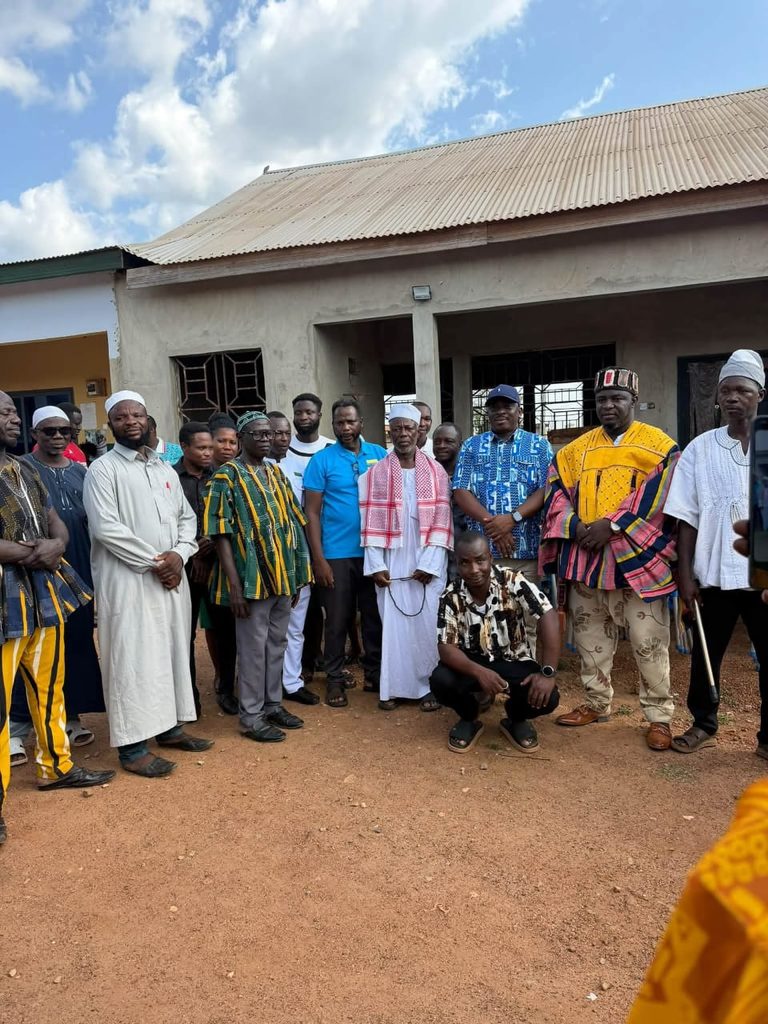
As part of his visit to the area, Yeboah also called at the studios of Boresa Radio, a newly established radio station in Bole, where he congratulated management and staff on the establishment of the station.
The visit provided an opportunity for him to discuss reforms being undertaken by the DVLA and engage the public through the local broadcasting platform.
The emergence of community radio stations such as Boresa Radio also offers opportunities to strengthen public education, particularly in communities where access to information about public services and institutional reforms may be limited.
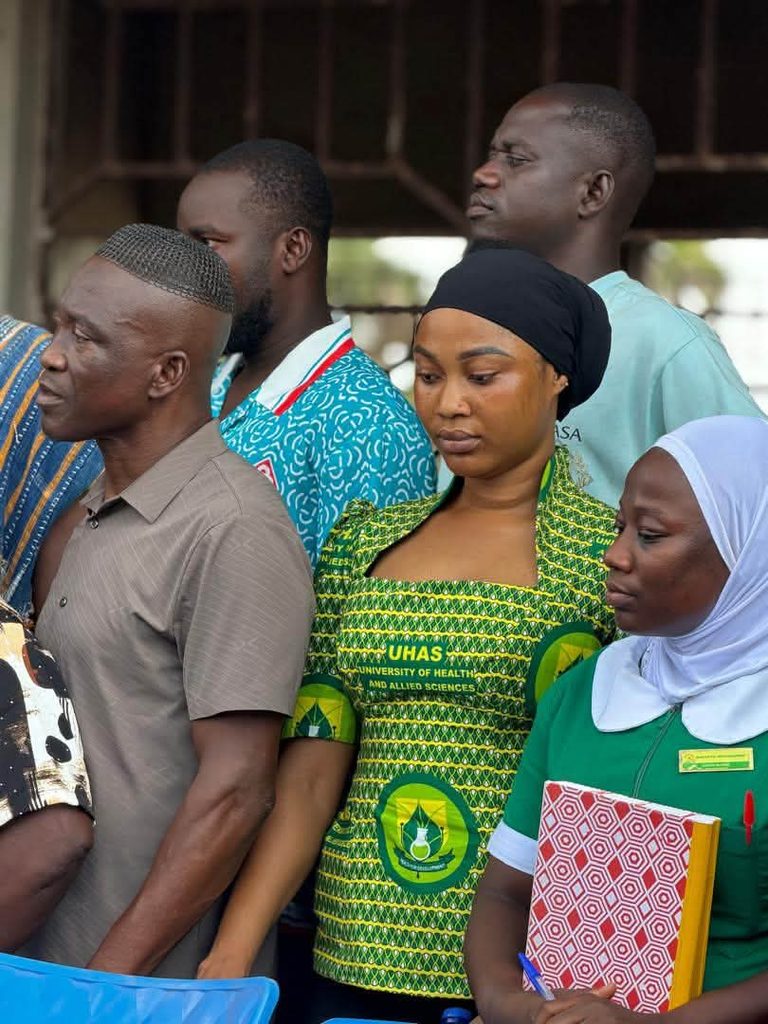
Yeboah expressed appreciation to the District Health Directorate, Garba Tingawura Abdul-Fatawu Saaka Jaaga and the people of Tinga for their support and hospitality.
The Bigger Question: Who Sustains Rural Healthcare?
While donations from individuals and institutions can provide meaningful support to resource-constrained health facilities, the long-term responsibility for ensuring equitable healthcare access rests on sustained public investment and effective health-sector planning.
For Tinga and similar communities across the Savannah Region, the real measure of healthcare development should not simply be the number of facilities established, but whether those facilities can consistently provide the medicines, personnel, equipment and services that residents need.
The distance between a rural patient and quality healthcare should not become a barrier to survival. Neither should a person’s geographical location determine the standard of medical attention available to them.
Yeboah’s donation may help address some immediate needs at the Tinga Health Centre, but the broader challenge remains: ensuring that rural communities are not left behind in Ghana’s pursuit of universal access to quality healthcare.