
 By Ishmael Junourgh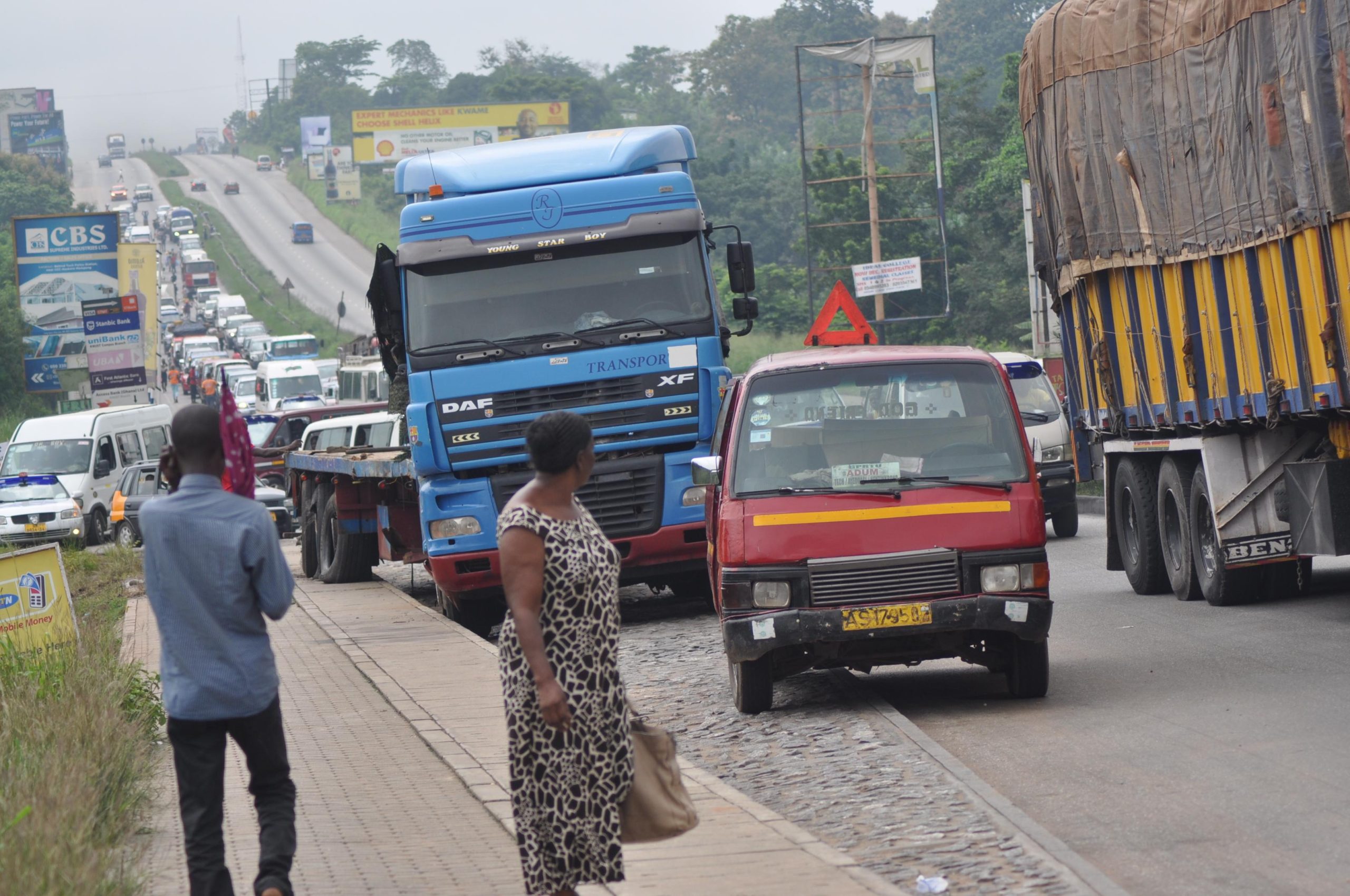
By Sabastine E. Arthur
A concerned and frequent road user
As a frequent user of some of Ghana’s busiest roads, I have often wondered why a single broken-down truck can bring traffic to a standstill for kilometres. I have experienced this repeatedly on the Accra-Tema Motorway, but the problem is by no means unique to that road.
Every morning, thousands of commuters leave home early, often deliberately trying to beat the traffic so they can get to work on time. For many of us, the major highways and arterial roads provide the quickest and most practical routes to our destinations.
Yet all it takes is one disabled truck sitting in an active traffic lane to undo that effort.
The vehicle may have developed a genuine mechanical problem. That can happen. But when it remains on the road for an extended period, a problem affecting one vehicle quickly becomes a problem affecting thousands.
This is not a new problem
What concerns me most is that this is not a problem that nobody has noticed.
Ghanaian media have previously reported on the dangers posed by disabled and abandoned vehicles on major roads, including the risks they present to motorists at night. Road-safety authorities have also drawn attention to the issue.
Yet the problem persists.
Perhaps the question we should now be asking is not whether disabled vehicles on busy roads are dangerous. We already know that they are.
The question is:
Do we have an effective enough system for dealing with them when they occur?
When one breakdown becomes a major traffic problem
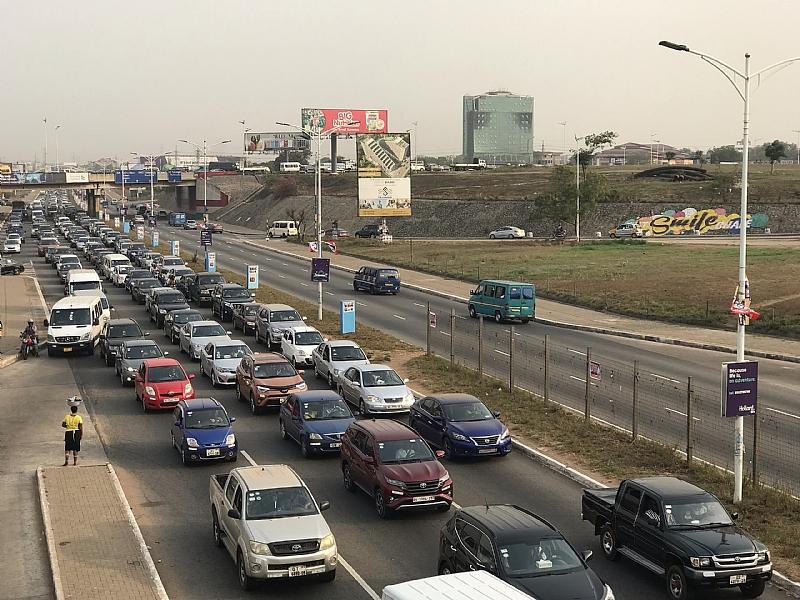
When a heavy truck breaks down and remains in a traffic lane, approaching vehicles are forced to slow down and merge around it. As more vehicles arrive, the queue grows and can extend for several kilometres.
The resulting congestion may have little to do with the overall capacity of the road. It may simply be that one vehicle is occupying space that thousands of other vehicles need to use.
This is why road capacity and incident management need to be considered separately.
Bigger roads are not the whole answer
Ghana needs better roads. The condition of sections of the Accra-Tema Motorway alone makes that clear.
But even a newly repaired or expanded road can become severely congested when a large vehicle breaks down and remains in an active lane.
A resilient road system therefore needs more than physical infrastructure. It needs the ability to respond quickly when that infrastructure is disrupted.
Ideally, the response should be straightforward:
Detect the obstruction. Warn approaching motorists. Make the location safe. Remove the vehicle. Restore normal traffic flow.
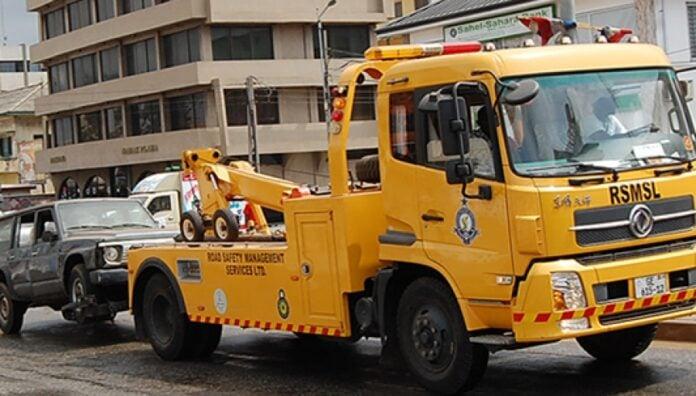
Could strategically positioned heavy-duty recovery vehicles be available along Ghana’s busiest highways? Could motorists and truck operators have a reliable mechanism for reporting vehicles obstructing active lanes? Could traffic-monitoring cameras identify stationary vehicles and developing queues? Could approaching motorists receive timely warnings?
These are practical questions worth considering.
At night, the risk is greater
There is also a serious safety dimension.
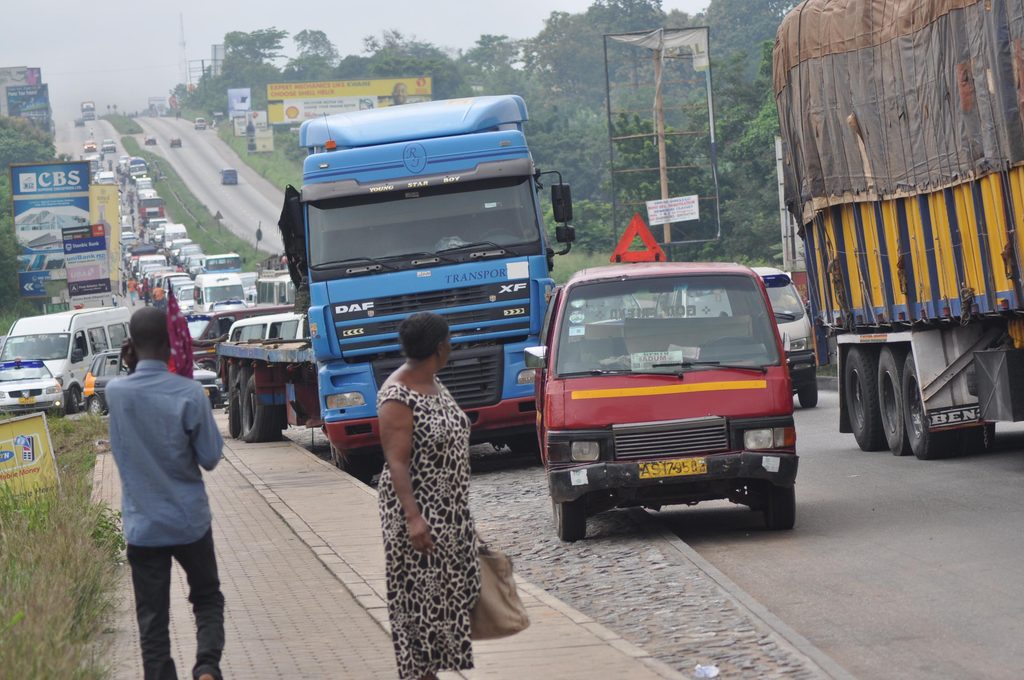
A disabled truck sitting in an active traffic lane is hazardous during the day. At night, the danger can be considerably greater when visibility is poor or there is inadequate warning.
A motorist travelling at speed may not immediately recognise that a large vehicle ahead is stationary. A traffic obstruction can therefore become a collision hazard.
This is why rapid response should be about more than reducing congestion. It should also be about protecting motorists approaching the obstruction.
Prevention matters, but breakdowns will happen
Proper maintenance of heavy vehicles, including attention to tyres, brakes, steering and suspension, can help reduce preventable breakdowns.
But mechanical failures cannot be eliminated completely.
The issue, therefore, is not whether we can prevent every truck from breaking down. It is whether one truck breaking down has to become a problem for thousands of other road users.
A broader way of thinking about our roads
When we talk about improving Ghana’s roads, we naturally think about more lanes, better surfaces, interchanges, bridges and new highways.
All of these matter.
But a resilient road system is also one that can recover quickly when something goes wrong.
A crash will happen. A tyre will burst. An engine will fail. A truck will occasionally become disabled.
What matters is what happens afterwards:
How quickly is the obstruction noticed?
How quickly are approaching motorists warned?
How quickly can the vehicle be moved out of the active carriageway?
How quickly can normal traffic flow resume?
This deserves renewed attention
I am not suggesting that Ghana’s traffic problems can be solved simply by towing away disabled vehicles. Nor am I suggesting that road construction and rehabilitation are unnecessary. They are essential.
My point is that we should not have to choose between better roads and better incident management. We need both.
The fact that this issue has already been reported in Ghana should make us more interested in finding a lasting and practical response, not less.
For the Ministry of Roads and Highways, the Ghana Police Service and other agencies concerned with our roads and road safety, perhaps this is an area worth looking at again—not only after a major accident or when a traffic jam has already stretched for kilometres, but as a routine part of managing Ghana’s busiest roads.
For the commuter who leaves home before sunrise, a disabled truck sitting in the middle of a major highway is not a minor inconvenience. It can mean another hour lost in traffic.
And for the driver approaching that stationary vehicle at night, it can mean something much more serious.
We need better roads. But we also need roads that can recover quickly when something goes wrong.
Sometimes, improving the journey is not about building another road. Sometimes, it is about getting the obstruction out of the road.
 The Bridge News